

How to label a 5 gallon tin pail?
May 19, 2025
Hey there! As a supplier of 5-gallon tin pails, I know how crucial it is to label these bad boys correctly. Not only does a well-labeled tin pail look professional, but it also provides essential information to the end-users. In this blog, I'll walk you through the ins and outs of labeling a 5-gallon tin pail, sharing some tips and tricks along the way.
Why Labeling Matters
First things first, let's talk about why labeling is so important. When you're dealing with a 5-gallon tin pail, it could be used for a variety of purposes, from storing chemicals to holding food products. A clear and accurate label helps to:
- Identify the contents: This is the most obvious reason. Whether it's paint, oil, or something else, the label should clearly state what's inside the pail.
- Provide safety information: If the contents are hazardous, the label needs to include safety warnings, handling instructions, and first aid measures.
- Meet regulatory requirements: Different industries and products have specific labeling regulations that you need to comply with. Failing to do so can result in fines or other penalties.
- Build brand recognition: Your label is an opportunity to showcase your brand. A well-designed label can help to build brand awareness and make your product stand out on the shelves.
Choosing the Right Label Material
The first step in labeling a 5-gallon tin pail is choosing the right label material. You want something that is durable, resistant to chemicals and moisture, and can adhere well to the tin surface. Here are some common label materials to consider:

- Vinyl labels: These are a popular choice for 5-gallon tin pails because they are durable, waterproof, and can withstand harsh environments. Vinyl labels also come in a variety of colors and finishes, so you can choose one that suits your brand.
- Polyester labels: Polyester labels are another good option. They are resistant to chemicals, abrasion, and UV light, making them ideal for outdoor use. Polyester labels also have a high gloss finish, which gives them a professional look.
- Paper labels: While paper labels are not as durable as vinyl or polyester labels, they can still be a good choice for some applications. Paper labels are cost-effective and can be easily printed on using a standard printer. However, they are not suitable for use in wet or dirty environments.
Designing Your Label
Once you've chosen the right label material, it's time to design your label. Here are some tips to keep in mind:
- Keep it simple: Your label should be easy to read and understand. Avoid using too much text or complicated graphics.
- Use clear fonts: Choose a font that is easy to read from a distance. Sans-serif fonts are a good choice because they are clean and modern.
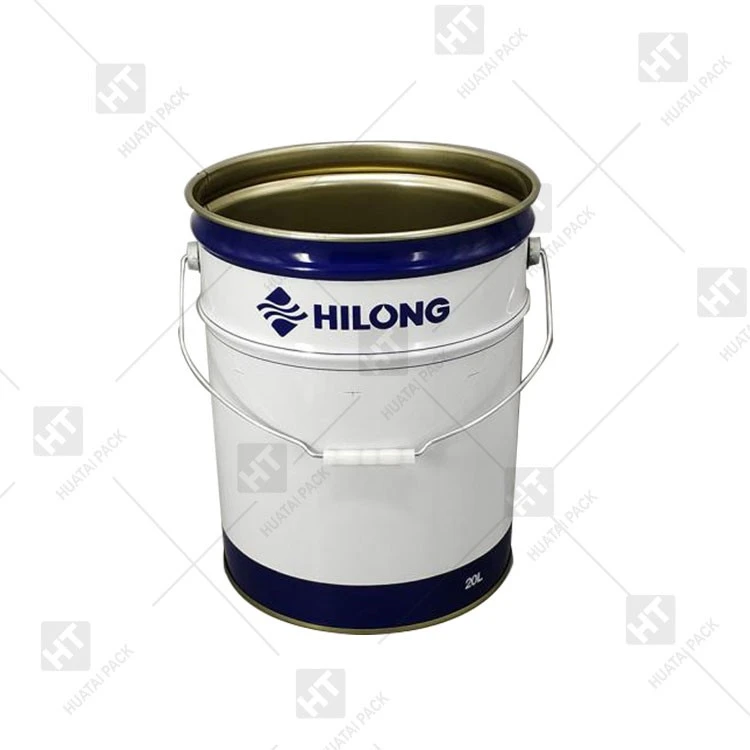
- Include essential information: Make sure your label includes the product name, contents, usage instructions, safety warnings, and your company logo.
- Use colors strategically: Colors can be used to grab attention and convey information. For example, red is often used to indicate danger, while green is used to indicate safety.
- Test your design: Before you print your labels, test your design on a sample pail to make sure it looks good and adheres well.
Printing Your Labels
Once you've designed your label, it's time to print it. You can either print your labels in-house using a label printer or outsource the printing to a professional printing company. Here are some things to consider when choosing a printing method:
- Quantity: If you only need a few labels, printing them in-house may be the most cost-effective option. However, if you need a large quantity of labels, outsourcing the printing to a professional company may be more economical.
- Quality: Professional printing companies have access to high-quality printing equipment and materials, which can result in a better-looking label. If you need a high-quality label, outsourcing the printing may be the best option.
- Turnaround time: If you need your labels quickly, printing them in-house may be the fastest option. However, if you have more time, outsourcing the printing may be a better choice because professional printing companies can often offer faster turnaround times.
Applying Your Labels
Once you've printed your labels, it's time to apply them to the tin pail. Here are some tips to ensure a smooth and professional-looking application:
- Clean the surface: Before applying the label, make sure the surface of the tin pail is clean and dry. Use a clean cloth to wipe away any dirt, dust, or grease.
- Peel the backing: Carefully peel the backing off the label, starting from one corner. Be careful not to touch the adhesive side of the label with your fingers.
- Align the label: Place the label on the tin pail, aligning it with the desired position. Use a ruler or straight edge to ensure that the label is straight.
- Apply the label: Starting from one end, slowly press the label onto the tin pail, smoothing out any bubbles or wrinkles as you go. Use a squeegee or credit card to apply pressure and ensure a good adhesion.
- Trim the edges: Once the label is applied, use a sharp knife or scissors to trim the edges of the label, making sure it fits neatly on the tin pail.
Additional Tips
Here are some additional tips to help you label your 5-gallon tin pails effectively:
- Use a label template: A label template can help you ensure that your labels are the right size and shape. You can find label templates online or create your own using a graphic design software.
- Test the label adhesion: Before applying the label to the tin pail, test the adhesion on a small area of the pail. This will help you ensure that the label will stick properly and not peel off over time.
- Store your labels properly: To ensure the longevity of your labels, store them in a cool, dry place away from direct sunlight. Avoid folding or creasing the labels, as this can damage the adhesive.
- Update your labels regularly: If there are any changes to the product or its usage instructions, make sure to update your labels accordingly. This will help you ensure that your labels are accurate and up-to-date.
Conclusion
Labeling a 5-gallon tin pail may seem like a simple task, but it's actually an important part of the product packaging process. By choosing the right label material, designing a clear and informative label, printing it using a high-quality method, and applying it correctly, you can ensure that your 5-gallon tin pails are labeled effectively and professionally.
If you're in the market for 5-gallon tin pails or other types of metal containers, check out our Empty Metal Tin Pail, 4L Metal Tin Can, and Round Candle Tin Can products. We offer a wide range of high-quality metal containers at competitive prices.
If you have any questions or would like to discuss your specific needs, please don't hesitate to contact us. We're here to help you find the perfect solution for your packaging needs.
References
- Packaging Machinery Manufacturers Institute. (n.d.). Labeling Basics. Retrieved from https://www.pmmi.org/learn/resource-library/white-papers/labeling-basics
- U.S. Food and Drug Administration. (n.d.). Food Labeling Guide. Retrieved from https://www.fda.gov/food/food-labeling-nutrition/food-labeling-guide
- Occupational Safety and Health Administration. (n.d.). Hazard Communication Standard. Retrieved from https://www.osha.gov/hazcom