

How to ensure even distribution of an adhesive can on PVC?
Sep 13, 2026
Hey there! As a supplier of PVC and adhesive cans, I've seen my fair share of challenges when it comes to getting an even distribution of adhesive on PVC. It's a tricky task, but with the right techniques and a bit of know - how, it can be done like a pro.
Understanding the Basics
First off, let's talk about why even distribution is so important. When you're working with PVC, whether it's for a DIY project or a large - scale industrial application, an uneven layer of adhesive can lead to all sorts of problems. It might cause weak spots in the bond, which can result in the PVC coming apart over time. And nobody wants that!
The consistency of the adhesive plays a huge role in achieving even distribution. Some adhesives are thick and gloopy, while others are more runny. Thicker adhesives tend to stay in place better, but they can be harder to spread evenly. On the other hand, runnier adhesives are easier to spread, but they can drip and create uneven patches.
Preparing the PVC Surface
Before you even think about applying the adhesive, you need to make sure the PVC surface is clean and dry. Any dirt, dust, or moisture on the surface can prevent the adhesive from bonding properly and lead to an uneven distribution.
I usually recommend using a mild detergent and water to clean the PVC. Scrub it gently with a soft cloth or sponge, and then rinse it thoroughly. After that, let it air - dry completely. You can also use a clean, dry cloth to wipe away any remaining moisture.
Another important step is to rough up the surface a little bit. This gives the adhesive something to grip onto. You can use fine - grit sandpaper to lightly sand the PVC. Just be careful not to sand too hard, as you don't want to damage the PVC.
Choosing the Right Adhesive Can
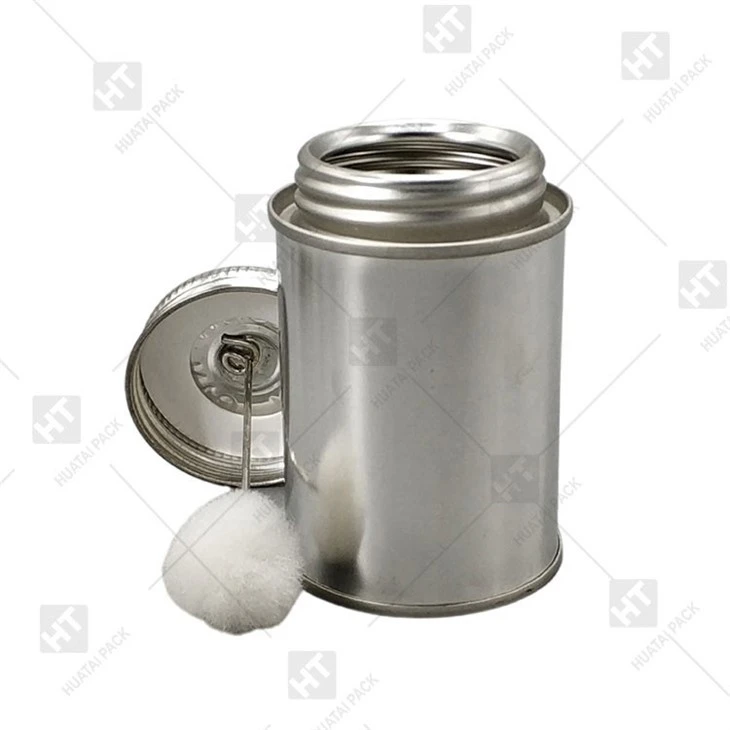
Now, let's talk about the cans. We offer a variety of options, like the 32oz Pvc Can With Cap, 8oz Pvc Can With Cap, 8oz Glue Can, 4oz Pvc Can With Cap, and 4oz Glue Can. The size of the can you choose depends on the size of your project.
If you're working on a small project, a 4oz or 8oz can might be enough. But for larger projects, you'll probably want to go for the 32oz can. Also, make sure the can has a good - quality cap to prevent the adhesive from drying out or leaking.
Mixing the Adhesive
If your adhesive needs to be mixed, make sure you do it properly. Some adhesives come in two - part systems, where you need to combine a resin and a hardener. Follow the manufacturer's instructions carefully.
Use a clean mixing container and a stir stick. Stir the adhesive thoroughly for the recommended amount of time. This helps to ensure that all the components are evenly distributed, which in turn will help with even application on the PVC.
Applying the Adhesive
When it comes to applying the adhesive, there are a few different methods you can use.
Brushing
Brushing is a popular method, especially for smaller projects. Use a high - quality brush with synthetic bristles. Dip the brush into the adhesive and then start applying it in long, even strokes. Make sure to cover the entire surface of the PVC.
If the adhesive starts to build up on the brush, wipe it off on the edge of the can. And don't press too hard on the brush, as this can cause the adhesive to spread unevenly.
Rolling
For larger surfaces, rolling can be a great option. Use a small paint roller. Roll the roller in the adhesive, making sure it's evenly coated. Then, roll it onto the PVC in a smooth, continuous motion.
Start at one end of the PVC and work your way to the other. Overlap each pass slightly to ensure complete coverage. If the roller starts to leave streaks, it might be too dry. Dip it back into the adhesive and keep going.
Spraying
Spraying is another option, but it requires a bit more equipment and skill. You'll need a spray gun and an air compressor. Make sure to follow all the safety precautions when using a spray gun.
Hold the spray gun at a consistent distance from the PVC surface and move it in a steady, back - and - forth motion. This helps to achieve an even layer of adhesive. However, spraying can be a bit wasteful, so it's best for larger projects where you need to cover a lot of surface area.
Spreading the Adhesive
Once you've applied the adhesive, you might need to spread it out a bit more to ensure even distribution. You can use a putty knife or a spreader for this.
Gently run the putty knife or spreader over the surface of the adhesive, applying even pressure. This helps to level out any thick spots and make sure the adhesive is the same thickness all over.

Letting the Adhesive Set
After you've achieved an even distribution of the adhesive on the PVC, it's important to let it set properly. Follow the manufacturer's instructions for the recommended setting time.
During this time, make sure the PVC is in a stable position and there's no movement or vibration. This can cause the adhesive to shift and create uneven areas.
Troubleshooting Uneven Distribution
If you notice uneven distribution after applying the adhesive, don't panic. There are a few things you can do.
If the adhesive is still wet, you can try to smooth it out with a putty knife or a spreader. Be careful not to over - work the adhesive, as this can cause it to dry unevenly.
If the adhesive has already started to dry, you might need to scrape off the uneven areas and re - apply the adhesive. Make sure to clean the PVC surface thoroughly before re - applying the adhesive.
Conclusion
Ensuring even distribution of an adhesive on PVC is all about preparation, choosing the right tools and products, and using the right techniques. By following these steps, you can achieve a strong, even bond every time.
If you're interested in our 32oz Pvc Can With Cap, 8oz Pvc Can With Cap, 8oz Glue Can, 4oz Pvc Can With Cap, 4oz Glue Can, or other PVC and adhesive can products, don't hesitate to reach out for procurement discussions.