

How to dispose of a paint can with leftover paint?
Jul 23, 2025
Disposing of a paint can with leftover paint is a task that requires careful consideration due to environmental and safety concerns. As a paint can supplier, I understand the importance of guiding customers through this process to ensure proper handling and disposal. In this blog, I will share some comprehensive methods and tips on how to dispose of paint cans with leftover paint.
Understanding the Types of Leftover Paint
Before discussing disposal methods, it's essential to understand the types of leftover paint. There are two main categories: water - based paint and oil - based paint. Water - based paints, also known as latex paints, are easier to clean up and dispose of compared to oil - based paints. Oil - based paints contain solvents that are more harmful to the environment and require special handling.
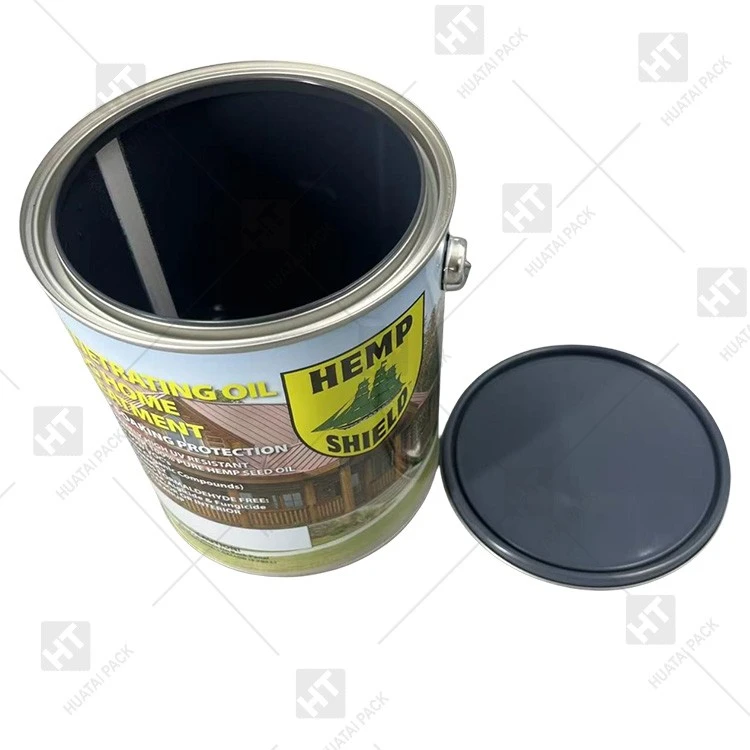

Small Mini Paint Can
If you have a Small Mini Paint Can with leftover paint, the amount of paint is relatively small, which might simplify the disposal process. However, you still need to follow the proper steps.
Options for Disposal
1. Reuse the Leftover Paint
- For Touch - Ups: Leftover paint can be incredibly useful for future touch - ups around your home. Keep the paint can sealed properly in a cool, dry place. Label the can with the color name, location where it was used (e.g., living room wall), and the date it was purchased. This way, when you notice a small scratch or a spot that needs repainting, you can easily find the matching paint.
- DIY Projects: You can use the leftover paint for various do - it - yourself projects. For example, you can paint small wooden objects like picture frames, plant pots, or even create a unique piece of wall art. This not only helps you get rid of the leftover paint but also allows you to unleash your creativity.
2. Donate the Leftover Paint
- Community Centers and Schools: Many community centers and schools are always in need of paint for their art projects or to spruce up their facilities. Contact your local community center or school and ask if they would be interested in accepting your leftover paint. Make sure the paint is in good condition and has not dried out.
- Non - profit Organizations: Some non - profit organizations that focus on home renovation for low - income families or disaster - affected areas might also accept donated paint. Check with local charities or organizations in your area to see if they have a paint donation program.
3. Solidify the Paint for Disposal
- For Water - Based Paint: If you decide not to reuse or donate the paint, you can solidify water - based paint for disposal. One common method is to mix the paint with an absorbent material such as cat litter, sawdust, or shredded paper. Pour the absorbent material into the paint can gradually, stirring constantly until the paint thickens and becomes solid. Once the paint is solid, you can throw the can and its contents in the regular trash.
- For Oil - Based Paint: Solidifying oil - based paint is more challenging. You can use a paint hardener, which is specifically designed to turn liquid paint into a solid. Follow the instructions on the paint hardener carefully. After the paint has solidified, you can dispose of it in the regular trash in most areas. However, it's always a good idea to check with your local waste management facility first.
4. Take the Paint to a Hazardous Waste Facility
- Identifying Hazardous Waste: Oil - based paints are considered hazardous waste due to the solvents they contain. Even some water - based paints may contain small amounts of hazardous substances. If you have a large amount of leftover paint or if you're unsure about the type of paint, it's best to take it to a hazardous waste facility.
- Finding a Facility: Contact your local government or waste management department to find out the nearest hazardous waste collection center. They can provide you with information on the operating hours, accepted materials, and any fees associated with dropping off the paint.
Gallon Round Tin Can
If you have a Gallon Round Tin Can with leftover paint, the process is similar to that of smaller cans, but the larger volume may require more time and effort for disposal. For example, if you're solidifying the paint, you'll need a larger amount of absorbent material.
Empty Metal Paint Cans
Once you've disposed of the leftover paint, you're left with an Empty Metal Paint Cans. These cans can usually be recycled. Make sure the can is completely empty and clean. You can rinse it out with water if it had water - based paint or use an appropriate solvent for oil - based paint. Then, place the can in your recycling bin according to your local recycling guidelines.
Safety Precautions
- Ventilation: When working with paint, especially oil - based paint, make sure you're in a well - ventilated area. The fumes from paint can be harmful if inhaled in large quantities. Open windows and doors or use a fan to circulate the air.
- Protective Gear: Wear gloves and safety goggles when handling paint and paint - related materials. This protects your skin and eyes from potential irritation or chemical burns.
- Proper Storage: If you're storing the paint for reuse, make sure the can is tightly sealed. Keep it out of reach of children and pets.
Conclusion
Disposing of a paint can with leftover paint is a responsibility that we all share to protect the environment and ensure safety. By following the methods outlined in this blog, you can make the right decision on how to handle your leftover paint. Whether it's reusing, donating, solidifying, or taking it to a hazardous waste facility, each option has its own benefits.
If you're in the market for high - quality paint cans, we are here to serve you. Our company offers a wide range of paint cans, including Small Mini Paint Can, Gallon Round Tin Can, and Empty Metal Paint Cans. If you have any questions about our products or need advice on paint can selection, feel free to reach out to us for a purchase consultation. We look forward to working with you!
References
- Environmental Protection Agency (EPA). "Household Hazardous Waste."
- Local waste management guidelines provided by municipal governments.