

How to create a turtle habitat in a tin pail?
Sep 17, 2025
Hey there, fellow turtle lovers! I'm super stoked to share with you how to create a turtle habitat right in a tin pail. And guess what? I'm an empty tin pail supplier, so I know a thing or two about these metal containers.
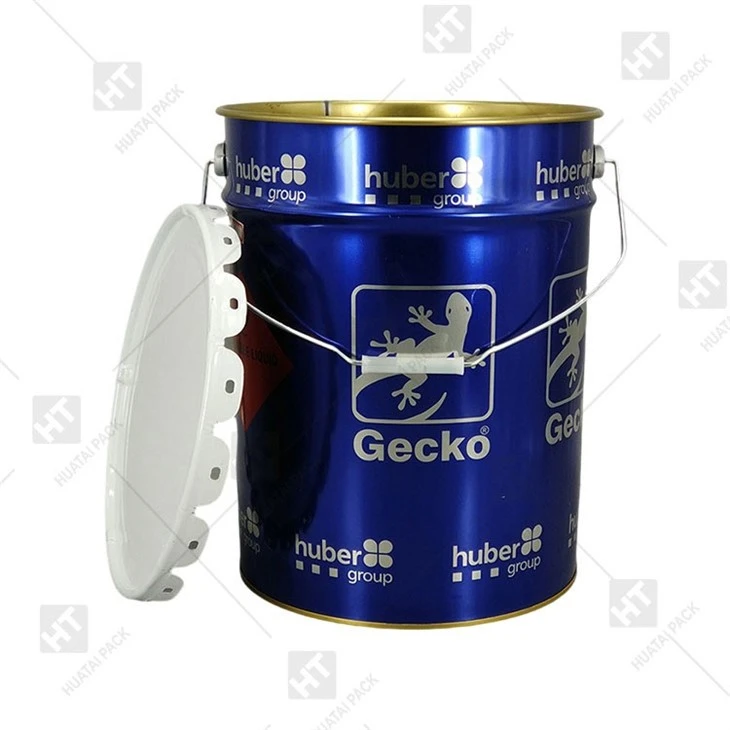
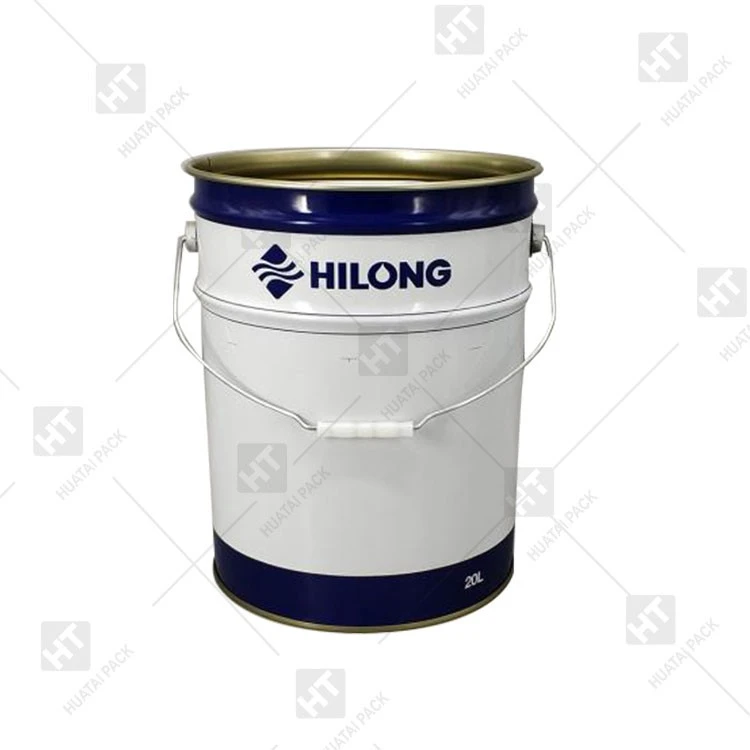
First off, let's talk about choosing the right tin pail. You've got a few options. If you're looking for a basic one, the Empty Metal Tin Pail is a great choice. It's simple, sturdy, and can hold the essentials for your turtle's home. For a bit more space, the 20L Empty Metal Open Hand Pail is perfect. It gives your turtle more room to move around and explore. And if you want something a bit more decorative, the Metal Drum with Flower Lid can add a fun touch to your turtle's habitat.
Now, let's get into the nitty - gritty of setting up the habitat.
Step 1: Cleaning the Tin Pail
Before you do anything else, you need to clean the tin pail thoroughly. Turtles are sensitive creatures, and any dirt or chemicals on the pail can harm them. Use a mild soap and warm water to scrub the inside and outside of the pail. Rinse it well, making sure there's no soap residue left. Let it dry completely in the sun. This not only gets rid of any harmful substances but also helps to kill off any bacteria.
Step 2: Creating a Water Area
Turtles need water to swim, drink, and stay hydrated. In the tin pail, you can create a water area. Fill about one - third to half of the pail with clean, dechlorinated water. You can use a water conditioner to remove chlorine and other harmful chemicals from tap water. Make sure the water is deep enough for your turtle to swim comfortably, but not so deep that it can't reach the surface to breathe easily.
Step 3: Adding a Basking Area
Turtles also need a place to bask. This helps them regulate their body temperature and dry off. You can create a basking area by placing a flat rock or a piece of driftwood in the tin pail. Make sure it's stable and won't tip over when the turtle climbs on it. The basking area should be partially in and out of the water, so the turtle can easily move between the two.
Step 4: Installing a Heat Source
Turtles are cold - blooded animals, which means they rely on external heat sources to stay warm. You can use a small heat lamp to provide warmth for the basking area. Place the heat lamp above the basking area, making sure it's at a safe distance so it won't burn the turtle. The temperature in the basking area should be around 85 - 90°F (29 - 32°C), and the water temperature should be around 75 - 80°F (24 - 27°C). You can use a thermometer to monitor the temperatures.
Step 5: Adding Plants and Decorations
Adding some plants and decorations to the tin pail can make the habitat more natural and comfortable for the turtle. You can use aquatic plants like water lettuce or duckweed. These plants not only provide hiding places for the turtle but also help to keep the water clean by absorbing some of the waste. You can also add some small rocks or shells for decoration. Just make sure they don't have any sharp edges that could hurt the turtle.
Step 6: Maintaining the Habitat
Once you've set up the turtle habitat, you need to maintain it regularly. Change the water every few days to keep it clean. Remove any uneaten food and waste from the pail. Check the temperature and humidity levels regularly to make sure they're within the right range. Trim the plants if they start to overgrow.
Feeding Your Turtle
Feeding your turtle is an important part of keeping it healthy. Different species of turtles have different diets. Most turtles eat a combination of plants, insects, and small fish. You can buy turtle food from a pet store, or you can feed them fresh vegetables like lettuce, spinach, and carrots. Make sure to provide a balanced diet for your turtle.
Common Mistakes to Avoid
- Overcrowding: Don't put too many turtles in one tin pail. Each turtle needs enough space to move around and have its own territory.
- Using the Wrong Water: Always use dechlorinated water. Chlorine in tap water can be harmful to turtles.
- Not Providing Enough Heat: Without proper heat, turtles can get sick. Make sure you have a reliable heat source.
In conclusion, creating a turtle habitat in a tin pail is a fun and rewarding project. It allows you to give your turtle a safe and comfortable home. And if you're in the market for a tin pail, I'm here to help. As a tin pail supplier, I can offer you a variety of high - quality tin pails to suit your needs. Whether you're looking for a small, simple pail or a larger, more decorative one, I've got you covered. If you're interested in purchasing tin pails for your turtle habitats or any other purpose, feel free to reach out for a purchase negotiation.
References
- "The Care and Keeping of Turtles" by Richard D. Bartlett and Patricia P. Bartlett
- "Turtle Biology and Conservation" edited by Peter C. H. Pritchard and John B. Iverson