

How to convert a tin pail into a fire pit?
Sep 15, 2025
Converting a tin pail into a fire pit is an excellent DIY project that combines functionality with creativity. As a tin pail supplier, I've witnessed the versatility of these simple containers. In this blog post, I'll guide you through the process of transforming a tin pail into a charming fire pit, highlighting the types of tin pails suitable for this project and sharing tips to ensure a safe and enjoyable experience.
Selecting the Right Tin Pail
The first step in creating a fire pit from a tin pail is choosing the appropriate container. Not all tin pails are suitable for this purpose, as they need to withstand high temperatures and have a stable structure.
Size Matters
The size of the tin pail will determine the size of your fire pit and the amount of fire it can accommodate. Smaller tin pails, such as 5 - gallon ones, are ideal for intimate gatherings or small outdoor spaces. They are easy to move around and can be placed on a patio or deck. Larger tin pails, like 20 - liter ones, can create a more substantial fire and are better suited for larger yards or areas where more people will be gathered.
Material and Durability
Look for tin pails made of thick - gauge metal. Steel is a popular choice as it is strong and can handle the heat of a fire without warping or melting easily. Avoid using pails that have been previously used to store chemicals or other hazardous materials, as these may release toxic fumes when heated.
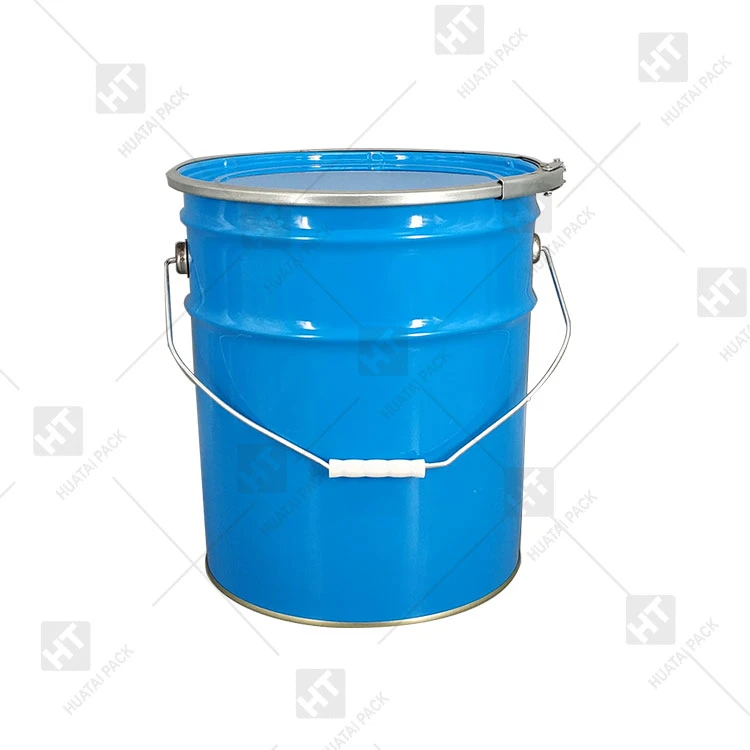
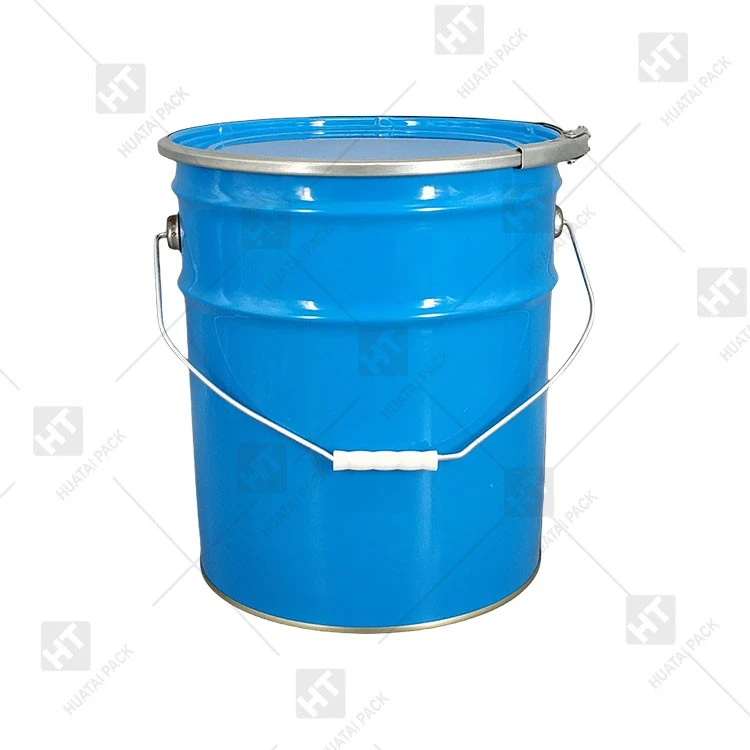
Some of the tin pails we offer at our store are perfect for this project. For example, the Metal Drun For Engine Oil is made of high - quality metal and has a sturdy construction. The 20L Metal Pail provides a good balance between size and durability, while the 5 Gallon Blue Empty Steel Tin Pail is a classic option that is widely used for various DIY projects.
Preparing the Tin Pail
Once you've selected the right tin pail, it's time to prepare it for its new role as a fire pit.
Cleaning
Thoroughly clean the tin pail to remove any dirt, debris, or residue. If the pail has a label, soak it in warm, soapy water to loosen the adhesive and then gently scrape off the label. Rinse the pail well and let it dry completely.
Ventilation
Proper ventilation is crucial for a fire pit. Without adequate airflow, the fire may not burn efficiently and could produce excessive smoke. Use a drill to create ventilation holes in the bottom and sides of the tin pail. Drill several small holes, about 1/4 - inch in diameter, evenly spaced around the bottom and lower sides of the pail. This will allow oxygen to reach the fire and help it burn more cleanly.
Building the Fire Pit
Now that the tin pail is prepared, it's time to build the fire pit.
Base
Choose a safe location for your fire pit. It should be on a non - combustible surface, such as concrete, stone, or gravel. Place a layer of sand or gravel at the bottom of the tin pail. This layer will help protect the bottom of the pail from direct contact with the fire and also provide a stable base for the firewood.
Firewood
Select dry, seasoned firewood for your fire pit. Green or wet wood will produce more smoke and may not burn as well. Arrange the firewood in a pyramid - like structure inside the tin pail, leaving enough space for air to circulate. You can start the fire using a fire starter, such as newspaper or fire - starting cubes.
Safety Precautions
Safety should always be your top priority when using a fire pit.
Surroundings
Keep the fire pit away from flammable materials, such as overhanging branches, dry leaves, or patio furniture. Maintain a safe distance from buildings, fences, and other structures.
Supervision
Never leave a fire pit unattended. Always have a fire extinguisher or a bucket of water nearby in case of an emergency.
Ash Disposal
Once the fire has burned out, let the ashes cool completely before disposing of them. Store the cooled ashes in a metal container with a tight - fitting lid.
Maintenance
To keep your tin pail fire pit in good condition, regular maintenance is necessary.
Cleaning
After each use, remove the ashes from the fire pit. Use a wire brush to clean the inside of the pail and remove any soot or debris. This will help prevent corrosion and keep the fire pit looking its best.
Inspection
Periodically inspect the tin pail for any signs of damage, such as rust or holes. If you notice any issues, address them promptly to ensure the continued safety and functionality of the fire pit.
Conclusion
Converting a tin pail into a fire pit is a fun and rewarding DIY project that can enhance your outdoor living space. With the right tin pail, proper preparation, and a focus on safety, you can create a cozy and inviting fire pit for your family and friends to enjoy.
If you're interested in purchasing tin pails for your fire pit project or other needs, we'd love to hear from you. Contact us to discuss your requirements and explore our wide range of high - quality tin pails.
References
- "DIY Fire Pit Ideas." Popular Mechanics.
- "Safety Guidelines for Outdoor Fire Pits." National Fire Protection Association.