

How to choose the right engine oil can?
Dec 11, 2025
Picking the right engine oil can might seem like a piece of cake, but trust me, it's way more complex than you think. As an engine oil can supplier, I've seen all sorts of customers with different needs and preferences. In this blog, I'll share some tips on how to choose the perfect engine oil can for your needs.
Size Matters
The first thing you need to consider is the size of the engine oil can. Engine oil cans come in various sizes, from small 1L cans to large 20L drums. The size you choose depends on how much oil you need and how often you use it.
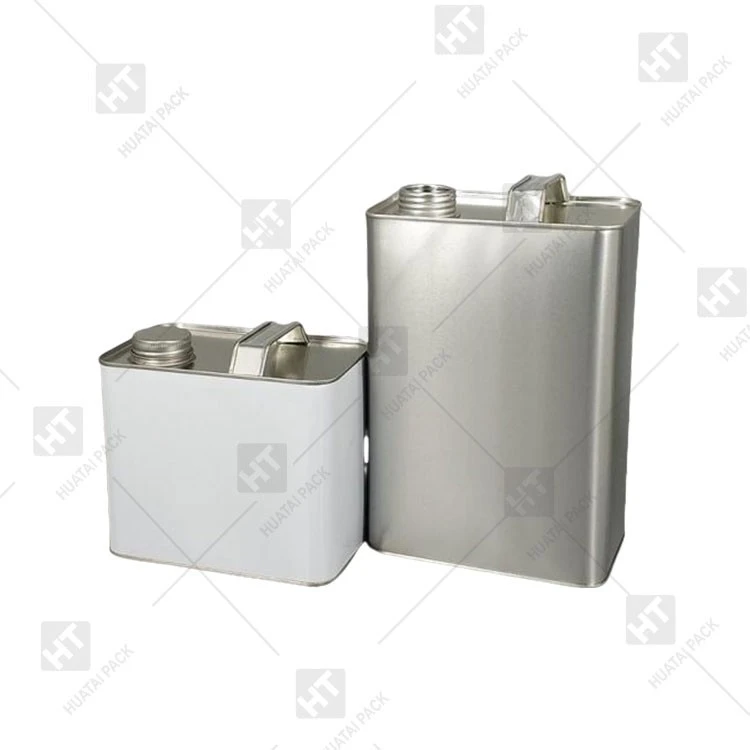
If you have a small car or motorcycle, a 1L Square Tin Can might be sufficient. These cans are easy to handle and store, making them ideal for home use. On the other hand, if you have a large vehicle or a fleet of cars, you might want to consider a larger 4L F-style Tin Can or even a 20L drum. These larger cans are more cost-effective in the long run, especially if you use a lot of oil.
Material and Durability
The material of the engine oil can is another important factor to consider. Most engine oil cans are made of either metal or plastic. Metal cans, such as tin cans, are more durable and can withstand higher pressures and temperatures. They are also less likely to crack or leak, making them a safer option for storing oil.
Plastic cans, on the other hand, are lighter and more affordable. They are also more resistant to corrosion and can be recycled more easily. However, plastic cans are not as durable as metal cans and can crack or break if they are dropped or exposed to extreme temperatures.
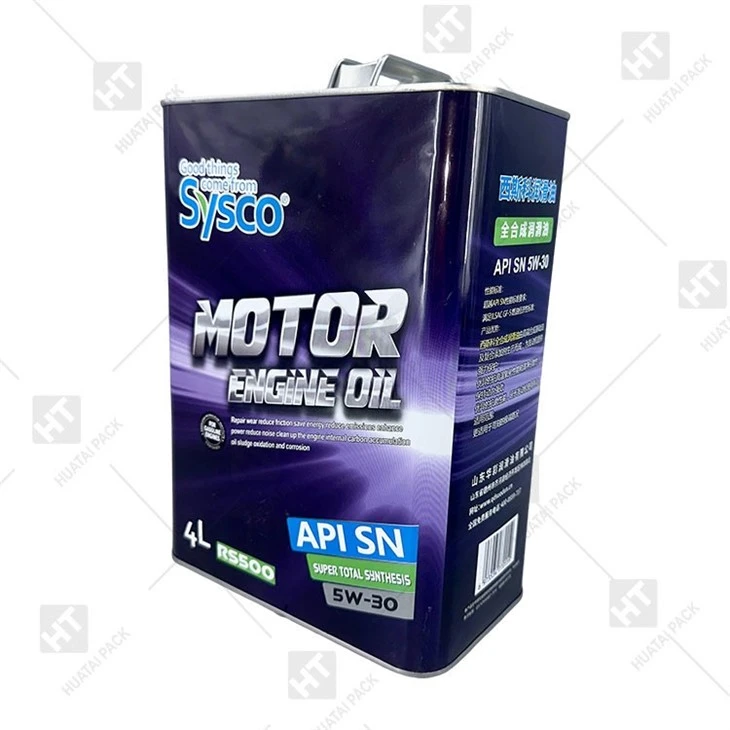
If you're looking for a durable and long-lasting engine oil can, I recommend choosing a 4L Empty Motor Engine Oil Tin Can. These cans are made of high-quality tinplate and are designed to withstand the rigors of transportation and storage.
Design and Functionality
The design and functionality of the engine oil can can also make a big difference in your user experience. Look for a can that has a easy-to-open and close lid, as well as a spout that makes it easy to pour the oil. Some cans also come with features such as handles or pour spouts that make them more convenient to use.
Another important consideration is the shape of the can. Square cans are more space-efficient and can be stacked more easily, while round cans are more traditional and can be easier to grip. Choose a shape that works best for your storage and handling needs.
Compatibility
Finally, you need to make sure that the engine oil can you choose is compatible with the type of oil you're using. Some oils, such as synthetic oils, can react with certain materials and cause corrosion or other problems. Make sure to check the manufacturer's recommendations before choosing an engine oil can.
In addition, you need to make sure that the can is compatible with the type of vehicle you're using. Some vehicles require a specific type of oil can, such as a can with a certain size or shape. Make sure to check your vehicle's owner's manual for more information.
Conclusion
Choosing the right engine oil can is an important decision that can have a big impact on the performance and longevity of your vehicle. By considering factors such as size, material, design, functionality, and compatibility, you can choose an engine oil can that meets your needs and provides you with a hassle-free user experience.
If you're still not sure which engine oil can is right for you, feel free to contact me. As an engine oil can supplier, I have a wealth of knowledge and experience in this area and can help you find the perfect can for your needs. Whether you're a DIY mechanic or a professional automotive technician, I'm here to help you make the right choice.
References
- "Engine Oil Can Materials and Their Properties." Automotive Engineering International.
- "Choosing the Right Engine Oil Can for Your Vehicle." Car and Driver.
- "The Importance of Compatibility in Engine Oil Cans." Motor Trend.