

How to check the quality of an engine oil can?
May 28, 2025
Hey there! As an engine oil can supplier, I've seen firsthand how crucial it is to ensure the quality of these cans. After all, they're not just containers; they're guardians of the precious engine oil inside. So, let's dive into how you can check the quality of an engine oil can.
1. Material Inspection
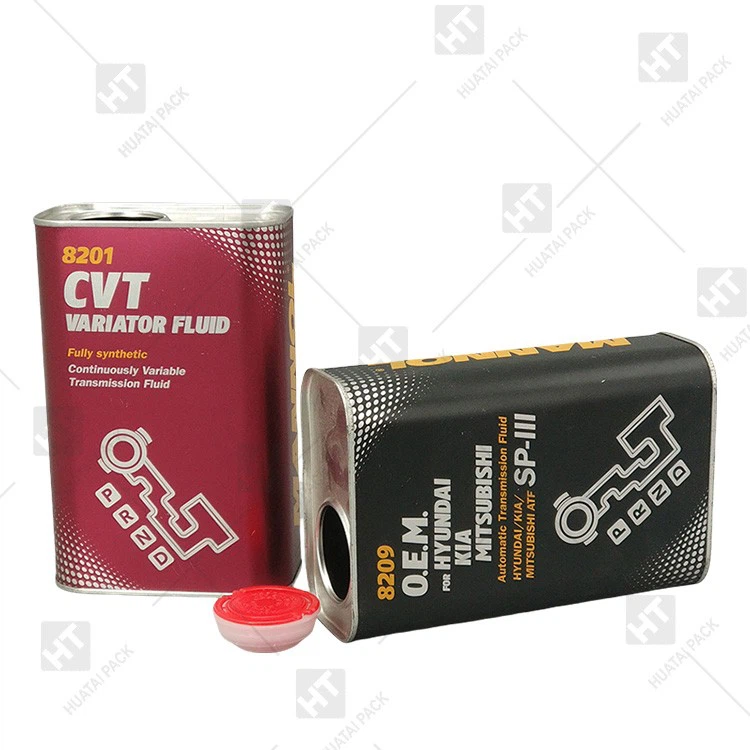
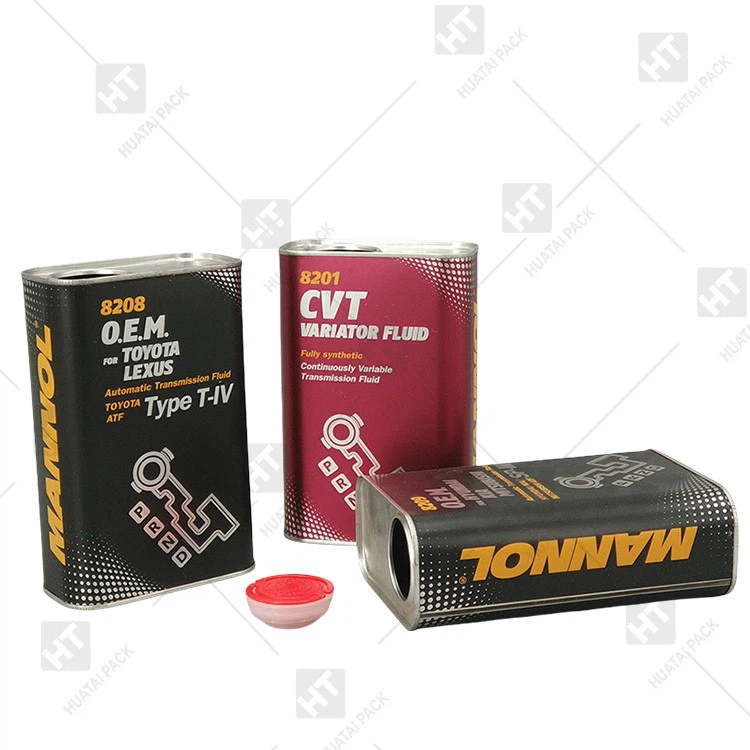
The first thing you gotta look at is the material of the can. Most engine oil cans are made of metal, like tinplate. Metal Tinplate Can is a popular choice because it's durable and resistant to corrosion.
To check the quality of the tinplate, you can do a simple scratch test. Use a blunt object to gently scratch a small, inconspicuous area of the can. If the tinplate flakes off easily or shows signs of rust beneath the surface, it's a red flag. High - quality tinplate should have a smooth finish and resist minor scratches without revealing any underlying issues.
Another aspect is the thickness of the tinplate. A thicker can generally means better protection for the oil. You can compare the weight of different cans of the same size. Heavier cans usually indicate a thicker tinplate, which is more likely to withstand impacts and prevent leaks.
2. Sealing Performance
A good engine oil can must have excellent sealing performance. A leaky can is a nightmare, as it can lead to oil spills, contamination, and loss of product.
Start by visually inspecting the lid and the can body. The lid should fit snugly on the can, with no visible gaps or misalignments. Check the sealing ring inside the lid. It should be intact, without any cracks or deformities.
To test the seal, you can do a simple pressure test. Fill the can partially with water (not oil, of course) and tightly close the lid. Then, turn the can upside down and shake it gently. If there are any leaks, you'll notice water seeping out. This test mimics the movement and pressure changes that the can might experience during transportation and storage.
3. Shape and Structure
The shape and structure of the engine oil can also play a role in its quality. For example, 4L F Styel Can and 1L 4L Square Tin Can have different designs, each with its own advantages.
A well - designed can should have a stable structure. It shouldn't be easily dented or deformed. Check the corners and edges of the can. They should be smooth and well - formed, without any sharp edges that could pose a safety hazard.
The spout of the can is another important part. It should be of the right size and shape to allow for easy pouring of the oil. A spout that is too narrow can make pouring difficult, while a spout that is too wide can lead to spills.
4. Printing and Labeling
The printing and labeling on the engine oil can provide important information about the product. High - quality cans should have clear, sharp, and durable printing.
Check the color of the printing. It should be vibrant and consistent, without any fading or smudging. The text on the label should be legible, with no blurred or missing letters.
The label should also be firmly attached to the can. Try to peel off a corner of the label gently. If it comes off easily or leaves a sticky residue on the can, it's a sign of poor quality.
5. Resistance to Environmental Factors
Engine oil cans are exposed to various environmental factors, such as temperature changes, humidity, and sunlight. A good can should be able to withstand these conditions without deteriorating.
If possible, conduct a temperature test. Place the can in a hot environment (like a car parked in the sun on a summer day) for a few hours and then check for any signs of deformation or damage. Similarly, expose the can to a humid environment for a while to see if it rusts or corrodes.
UV resistance is also important, especially if the cans are going to be stored outdoors. High - quality cans should have a coating that protects them from the harmful effects of sunlight.
6. Compatibility with Oil
The can should be compatible with the engine oil it contains. Some oils can react with certain metals or coatings, leading to contamination or degradation of the oil.
Ask the can manufacturer about the compatibility of the can material with different types of engine oil. They should be able to provide you with information on whether the can has been tested with specific oil formulations.
Why Quality Matters
You might be wondering why all these quality checks are so important. Well, a high - quality engine oil can protects the oil from contamination, ensures proper storage and transportation, and enhances the overall user experience. A leaky or poorly - made can can damage your brand reputation and lead to financial losses.
As an engine oil can supplier, I'm committed to providing the best - quality cans to my customers. We use the latest manufacturing techniques and strict quality control measures to ensure that every can meets the highest standards.
If you're in the market for engine oil cans and want to discuss your requirements, feel free to reach out. I'm here to help you find the perfect cans for your engine oil products. Whether you need 4L F Styel Can, 1L 4L Square Tin Can, or Metal Tinplate Can, I've got you covered. Let's work together to ensure that your engine oil is stored and delivered in the best possible way.
References
- "Packaging Technology for Food and Beverages" by some well - known author in the packaging field.
- Industry reports on engine oil can manufacturing and quality standards.