

How to avoid over - application of an adhesive can on PVC?
Jan 08, 2026
How to Avoid Over - application of an Adhesive Can on PVC
As a seasoned supplier of PVC and adhesive cans, I've witnessed firsthand the challenges that come with using adhesives on PVC materials. Over - application of an adhesive can not only lead to a waste of product but also cause issues such as messy joints, longer drying times, and potential damage to the PVC. In this blog, I'll share some valuable insights on how to avoid over - application when using an adhesive can on PVC.
Understanding the Basics of Adhesive and PVC
Before delving into the prevention of over - application, it's crucial to understand the nature of both the adhesive and PVC. PVC, or polyvinyl chloride, is a widely used plastic material known for its durability, versatility, and affordability. Adhesives, on the other hand, are substances used to bond two or more materials together. When using an adhesive on PVC, the goal is to create a strong, long - lasting bond without using more adhesive than necessary.
Different types of adhesives are available for PVC, such as solvent - based adhesives, epoxy adhesives, and cyanoacrylate adhesives. Each type has its own characteristics, including drying time, bonding strength, and application method. It's essential to choose the right adhesive for your specific PVC project. For instance, solvent - based adhesives are commonly used for PVC pipes and fittings because they create a strong, permanent bond by dissolving the surface of the PVC and fusing the materials together.
Measuring the Right Amount of Adhesive
One of the primary causes of over - application is not measuring the correct amount of adhesive. To avoid this, start by determining the surface area of the PVC that needs to be bonded. For simple shapes like rectangles or circles, basic geometric formulas can be used to calculate the area. Once you have the surface area, refer to the adhesive manufacturer's guidelines. These guidelines typically provide information on the recommended amount of adhesive per square inch or square centimeter.
For example, if you're using a solvent - based adhesive for PVC pipes, the manufacturer might recommend applying a thin, even layer of adhesive that is about 0.01 inches thick. Using a measuring tool such as a syringe or a calibrated dispenser can help you apply the exact amount of adhesive needed. This not only prevents over - application but also ensures a consistent bond across the entire surface.
Using the Right Application Tools
The choice of application tools can significantly impact the amount of adhesive applied. Brushes, rollers, and sprayers are common tools for applying adhesives to PVC. When using a brush, select one with the appropriate bristle size and stiffness. A brush that is too large or has overly soft bristles can lead to uneven application and over - spreading of the adhesive.
Rollers can be a good option for larger PVC surfaces, as they can apply a more uniform layer of adhesive. However, it's important to use a roller with the right nap thickness. A roller with a thick nap may pick up too much adhesive and result in over - application.
Sprayers are another option, especially for hard - to - reach areas or large - scale projects. When using a sprayer, make sure to adjust the nozzle settings to control the spray pattern and the amount of adhesive being released. Test the sprayer on a small, inconspicuous area of PVC first to ensure that you're getting the desired amount of adhesive coverage.
Preparing the PVC Surface
Proper surface preparation is crucial for a successful adhesive bond and can also help prevent over - application. Before applying the adhesive, clean the PVC surface thoroughly to remove any dirt, grease, or debris. This can be done using a mild detergent and water, followed by a rinse with clean water and a dry with a lint - free cloth.
In addition to cleaning, roughening the surface of the PVC slightly can improve the adhesion of the adhesive. However, it's important not to over - roughen the surface, as this can cause the adhesive to seep into the pores of the PVC and lead to over - application. A fine - grit sandpaper can be used to gently sand the surface, creating a slightly textured finish that allows the adhesive to grip better.
Applying the Adhesive in Layers
Instead of applying a thick layer of adhesive all at once, consider applying it in thin, multiple layers. This approach gives you more control over the amount of adhesive being used and allows you to correct any unevenness or over - application before the adhesive dries.
Start by applying a very thin layer of adhesive to the PVC surface. Use a brush or a roller to spread the adhesive evenly, making sure to cover the entire area. Let the first layer dry for a short period, as recommended by the adhesive manufacturer. This drying time allows the adhesive to set slightly and creates a better base for the next layer.
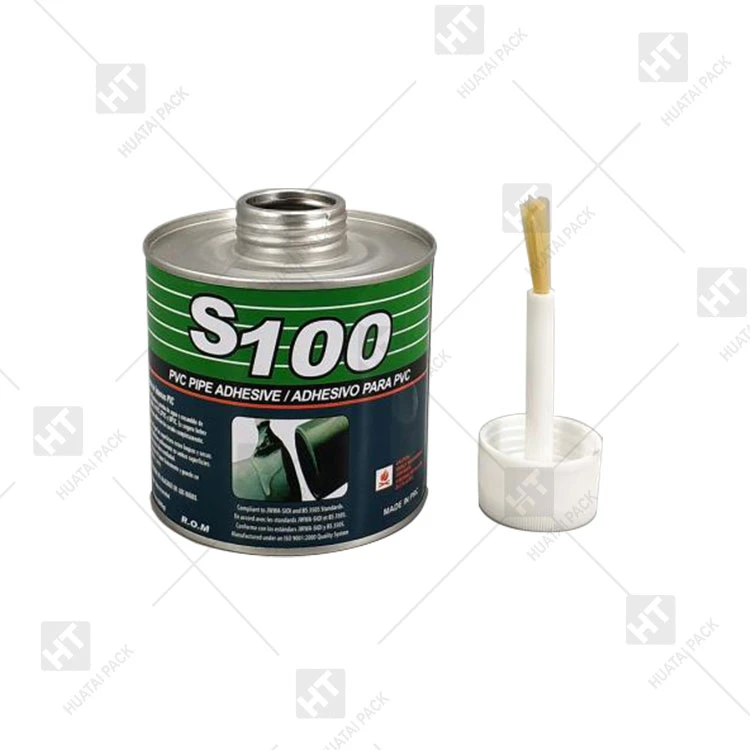

After the first layer has dried, apply a second thin layer of adhesive. This second layer helps to fill in any gaps or uneven areas and strengthens the bond. If necessary, a third layer can be applied, but make sure to follow the manufacturer's instructions regarding the maximum number of layers.
Training and Experience
Proper training and experience play a vital role in avoiding over - application. If you're new to working with PVC and adhesives, it's a good idea to practice on a small, scrap piece of PVC before starting your actual project. This allows you to get a feel for the adhesive, the application tools, and the correct amount of adhesive to use.
For professional installers or contractors, regular training sessions can help keep their skills up - to - date. These sessions can cover new adhesive products, application techniques, and best practices for avoiding over - application. By continuously learning and improving their skills, installers can ensure that they are applying adhesives correctly and efficiently.
Our Product Offerings
At our company, we offer a wide range of PVC and adhesive cans to meet your needs. Our 4oz Pvc Can With Cap is perfect for small - scale PVC projects, such as DIY crafts or minor repairs. It comes with a convenient cap that helps to keep the adhesive fresh and prevents spills.
For larger projects, our 32oz Glue Can provides a sufficient amount of adhesive. It's suitable for commercial applications, such as building construction or industrial manufacturing. The large size ensures that you have enough adhesive to complete your project without having to constantly refill.
We also offer the 8oz Pvc Can With Cap, which is a great middle - ground option. It's ideal for medium - sized PVC projects, such as installing PVC panels or creating custom PVC furniture.
Conclusion
Avoiding over - application of an adhesive can on PVC is essential for a successful and cost - effective project. By understanding the basics of adhesive and PVC, measuring the right amount of adhesive, using the correct application tools, preparing the PVC surface, applying the adhesive in layers, and gaining proper training and experience, you can prevent over - application and achieve a strong, long - lasting bond.
If you're interested in purchasing our high - quality PVC and adhesive cans, we encourage you to contact us for more information and to discuss your specific requirements. Our team of experts is ready to assist you in finding the perfect products for your PVC projects.
References
- "Adhesive Bonding of Plastics" by David A. Dillard.
- Manufacturer's guidelines for various PVC adhesives.
- Industry standards and best practices for PVC installation.