

How to add a thickener to a paint can?
Jun 11, 2025
Adding a thickener to a paint can is a process that requires precision and knowledge to ensure the paint achieves the desired consistency. As a paint can supplier, I've had the opportunity to witness the importance of this step in various painting projects. In this blog, I'll guide you through the process of adding a thickener to a paint can, discussing the reasons, methods, and safety considerations.

Why Add a Thickener to Paint?
There are several reasons why one might need to add a thickener to paint. Firstly, a thicker paint can provide better coverage. When paint is too thin, it may require multiple coats to achieve an even finish. By adding a thickener, you can increase the viscosity of the paint, allowing it to cover more surface area with fewer coats. This not only saves time but also reduces the amount of paint needed.
Secondly, thickened paint adheres better to vertical surfaces. Thin paint tends to run and drip, especially when applied to walls or other upright areas. A thicker consistency helps the paint stay in place, reducing the likelihood of drips and runs and providing a more professional-looking finish.
Lastly, some painting techniques, such as stippling or texturing, require a thicker paint. Adding a thickener can transform a standard paint into a suitable medium for these specialized techniques.
Choosing the Right Thickener
Before you start adding a thickener to your paint can, it's essential to choose the right one. There are various types of thickeners available on the market, each designed for specific types of paint and applications.
- Acrylic Thickeners: These are ideal for acrylic paints. They are water-based and can be easily mixed with acrylic paints to increase their viscosity. Acrylic thickeners are often used in art projects and interior painting.
- Oil-Based Thickeners: As the name suggests, these thickeners are suitable for oil-based paints. They are typically made from natural or synthetic resins and can significantly increase the thickness of oil paints. Oil-based thickeners are commonly used in exterior painting and industrial applications.
- Cellulose Thickeners: These thickeners are derived from cellulose, a natural polymer found in plants. They are versatile and can be used with both water-based and oil-based paints. Cellulose thickeners are often used in architectural coatings and decorative painting.
When choosing a thickener, consider the type of paint you're using, the desired consistency, and the application method. It's also a good idea to test the thickener on a small sample of paint before adding it to the entire can. This will help you determine the right amount of thickener to use and ensure that it doesn't affect the color or quality of the paint.
Preparing the Paint Can
Before adding the thickener, it's important to prepare the paint can properly. Here are the steps to follow:
- Shake the Paint Can: Thoroughly shake the paint can to ensure that the paint is well-mixed. This will help distribute any settled pigments and ensure a consistent color and texture.
- Open the Paint Can: Use a can opener to remove the lid of the paint can. Be careful not to damage the can or the lid.
- Stir the Paint: Use a paint stirrer to stir the paint in the can. This will help break up any clumps and ensure a smooth consistency. Stir the paint for at least 5 minutes, making sure to scrape the sides and bottom of the can.
Adding the Thickener
Once the paint can is prepared, you can start adding the thickener. Here's how to do it:
- Determine the Amount of Thickener: The amount of thickener you need to add depends on the type of paint, the desired consistency, and the type of thickener you're using. As a general rule, start with a small amount of thickener, such as 1-2 teaspoons per quart of paint. You can always add more thickener if needed.
- Add the Thickener to the Paint: Slowly pour the thickener into the paint can while stirring continuously. Use a paint stirrer to mix the thickener into the paint thoroughly. Make sure to scrape the sides and bottom of the can to ensure that the thickener is evenly distributed.
- Test the Consistency: After adding the thickener, test the consistency of the paint. Dip a paintbrush or a paint roller into the paint and lift it up. The paint should stick to the brush or roller without dripping excessively. If the paint is still too thin, add a little more thickener and mix well. If the paint is too thick, you can add a small amount of water or paint thinner to thin it out.
- Let the Paint Sit: Once you've achieved the desired consistency, let the paint sit for at least 10-15 minutes. This will allow the thickener to fully dissolve and the paint to reach its final consistency.
Safety Considerations
When adding a thickener to a paint can, it's important to take the necessary safety precautions. Here are some tips to keep in mind:
- Wear Protective Gear: Wear gloves, goggles, and a respirator to protect your skin, eyes, and lungs from the paint and the thickener. Some thickeners may contain harmful chemicals, so it's important to take the necessary precautions.
- Work in a Well-Ventilated Area: Make sure you're working in a well-ventilated area to avoid inhaling fumes from the paint and the thickener. Open windows and doors or use a fan to circulate the air.
- Follow the Manufacturer's Instructions: Read and follow the manufacturer's instructions on the thickener and the paint can. This will help you use the products safely and effectively.
- Dispose of Waste Properly: Dispose of any unused paint, thickener, or waste materials properly. Follow local regulations for the disposal of hazardous waste.
Conclusion
Adding a thickener to a paint can is a simple process that can significantly improve the performance and quality of your paint. By choosing the right thickener, preparing the paint can properly, and following the safety precautions, you can achieve the desired consistency and finish for your painting project.
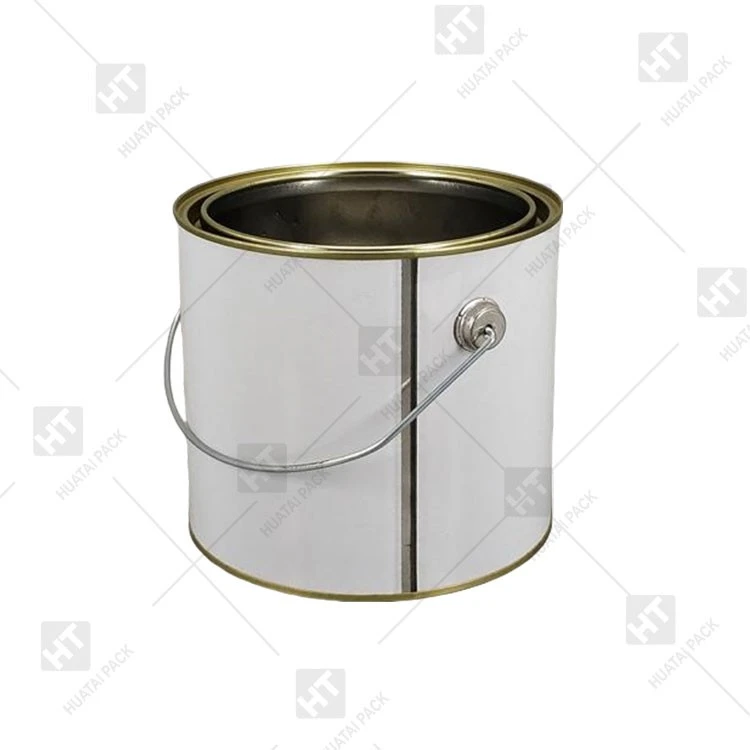
As a paint can supplier, I offer a wide range of Paint Can With Metal Handle, Metal Paint Can, and 1 Liter Round Tin Cans to meet your needs. If you're interested in purchasing paint cans or have any questions about adding a thickener to paint, please feel free to contact me for more information and to discuss your specific requirements.
References
- Smith, J. (2020). The Art of Painting: A Comprehensive Guide. New York: Art Press.
- Johnson, R. (2019). Paint Technology: Principles and Applications. London: Chemical Publishing.
- Williams, M. (2018). Safety in the Painting Industry. Chicago: Safety Press.