

How much paint does a paint can hold?
Nov 13, 2025
When it comes to the world of painting, one of the fundamental questions that often arises is, "How much paint does a paint can hold?" As a paint can supplier, I've encountered this question numerous times from painters, contractors, and DIY enthusiasts alike. Understanding the capacity of paint cans is crucial for planning projects, estimating costs, and ensuring you have the right amount of paint on hand. In this blog post, I'll delve into the various factors that determine the volume of paint a can can hold, explore different types of paint cans, and provide some practical tips for choosing the right can size for your needs.
Factors Affecting Paint Can Capacity
The capacity of a paint can is primarily determined by its dimensions, specifically its height, diameter, and shape. Standard paint cans come in a variety of sizes, ranging from small sample cans to large industrial containers. The most common sizes include 1-pint (0.47 liters), 1-quart (0.95 liters), 1-gallon (3.79 liters), and 5-gallon (18.93 liters) cans. However, it's important to note that these are nominal capacities, and the actual amount of paint a can can hold may vary slightly due to manufacturing tolerances and the shape of the can.
In addition to size, the type of paint and its viscosity can also affect the amount of paint that can be filled into a can. Thicker paints, such as latex or oil-based paints, may require more space to accommodate the volume of paint, while thinner paints, such as stains or primers, may be able to fit more into a can of the same size. It's also important to consider the headspace, or the empty space at the top of the can, which is necessary to allow for expansion and contraction of the paint as it changes temperature.
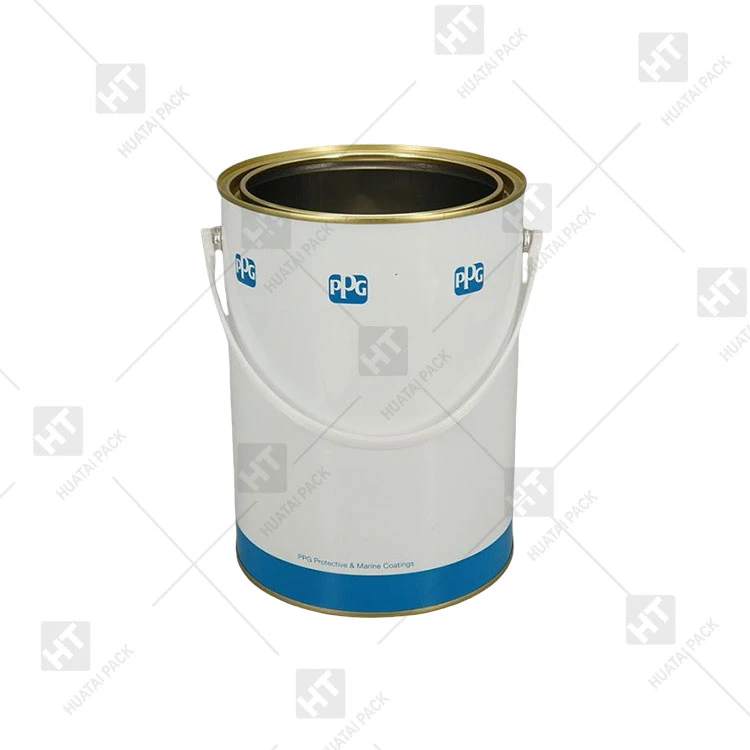
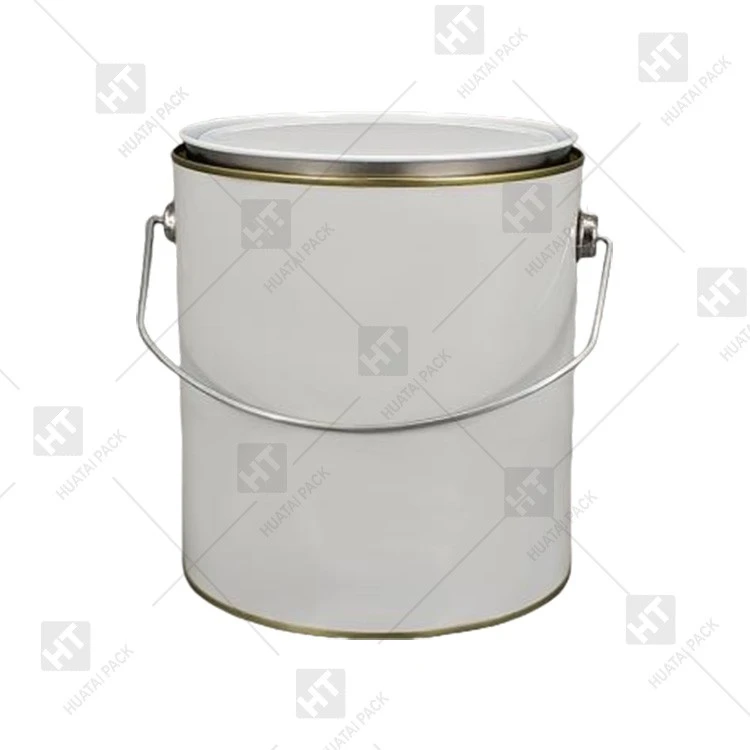
Types of Paint Cans
There are several types of paint cans available on the market, each with its own unique features and benefits. The most common types include metal cans, plastic cans, and composite cans.
- Metal Paint Cans: Metal paint cans are the traditional choice for storing and transporting paint. They are typically made of steel or aluminum and are available in a variety of sizes and shapes. Metal cans are durable, resistant to corrosion, and can be easily recycled. They also provide a good barrier against air and moisture, which helps to preserve the quality of the paint. Metal Paint Can Coating Can is a great example of a high-quality metal paint can that offers excellent protection for your paint.
- Plastic Paint Cans: Plastic paint cans are becoming increasingly popular due to their lightweight, shatterproof, and easy-to-handle design. They are typically made of high-density polyethylene (HDPE) or polypropylene (PP) and are available in a variety of sizes and colors. Plastic cans are also resistant to corrosion and can be easily recycled. However, they may not provide as good a barrier against air and moisture as metal cans, which can affect the shelf life of the paint.
- Composite Paint Cans: Composite paint cans are a hybrid of metal and plastic cans, combining the best features of both materials. They typically consist of a metal outer shell and a plastic liner, which provides a good barrier against air and moisture while also being lightweight and easy to handle. Composite cans are also recyclable and offer a cost-effective alternative to traditional metal or plastic cans.
Choosing the Right Can Size
Choosing the right can size for your project is essential to ensure you have enough paint to complete the job without wasting any. Here are some tips to help you choose the right can size:
- Estimate the Amount of Paint Needed: Before you start your project, it's important to estimate the amount of paint you'll need. This can be done by measuring the surface area to be painted and consulting the paint manufacturer's coverage guidelines. Keep in mind that these guidelines are based on ideal conditions and may vary depending on the type of surface, the texture of the paint, and the application method.
- Consider the Project Scope: The size of the project and the amount of paint you'll need will also determine the can size you should choose. For small projects, such as touch-ups or painting a single room, a small can of paint may be sufficient. For larger projects, such as painting an entire house or a commercial building, you may need to purchase multiple cans of paint or opt for a larger can size, such as a 5-gallon can.
- Think About Storage and Handling: When choosing a can size, it's also important to consider the storage and handling requirements. Larger cans of paint can be heavy and difficult to transport, so you may want to choose a smaller can size if you'll be moving the paint around frequently. You should also consider the storage space available in your home or workspace and choose a can size that will fit comfortably in your storage area.
Tips for Filling and Storing Paint Cans
Once you've chosen the right can size for your project, it's important to follow some best practices for filling and storing the paint to ensure its quality and longevity. Here are some tips to help you get the most out of your paint cans:
- Fill the Can Properly: When filling the paint can, make sure to leave enough headspace at the top of the can to allow for expansion and contraction of the paint. You should also use a funnel to avoid spills and ensure a clean fill.
- Seal the Can Tightly: After filling the can, make sure to seal it tightly to prevent air and moisture from entering. You can use a rubber mallet or a can opener to seal the lid securely.
- Store the Can in a Cool, Dry Place: Paint should be stored in a cool, dry place away from direct sunlight and heat sources. Exposure to high temperatures can cause the paint to dry out, thicken, or separate, which can affect its quality and performance.
- Label the Can: To make it easier to identify the paint later, it's a good idea to label the can with the type of paint, the color, and the date it was opened. This will help you keep track of your inventory and ensure that you're using the right paint for the job.
Conclusion
In conclusion, understanding the capacity of paint cans is essential for planning painting projects, estimating costs, and ensuring you have the right amount of paint on hand. By considering the factors that affect paint can capacity, choosing the right can size for your needs, and following some best practices for filling and storing paint cans, you can ensure the quality and longevity of your paint and get the most out of your investment.
If you're in the market for high-quality paint cans, look no further. As a leading paint can supplier, we offer a wide range of Empty Round Tin Can and Round Metal Tin Paint Cans to meet your needs. Our cans are made from durable materials, are available in a variety of sizes and shapes, and are designed to provide excellent protection for your paint. Contact us today to learn more about our products and how we can help you with your painting project.
References
- "Paint Can Sizes and Capacities." The Spruce Crafts.
- "How to Choose the Right Paint Can Size." HGTV.
- "Tips for Storing Paint." Sherwin-Williams.