

How does the paint in a 1l paint can resist cracking?
Dec 29, 2025
As a supplier of 1l paint cans, I've witnessed firsthand the importance of paint can integrity and the paint's ability to resist cracking. In this blog post, I'll delve into the science behind how the paint in a 1l paint can resists cracking, exploring the factors that contribute to its durability and the role of the paint can itself.
The Basics of Paint Cracking
Before we dive into the mechanisms of crack resistance, let's first understand why paint cracks in the first place. Paint cracking can occur due to a variety of factors, including environmental conditions, improper application, and the quality of the paint itself.
Environmental factors such as extreme temperatures, humidity, and sunlight can cause the paint to expand and contract, leading to stress on the paint film. Over time, this stress can cause the paint to crack and peel. Improper application, such as applying too thick a coat or not allowing sufficient drying time between coats, can also contribute to cracking. Additionally, low-quality paint may not have the necessary flexibility and adhesion to withstand the stresses of normal use.
The Role of the Paint Can
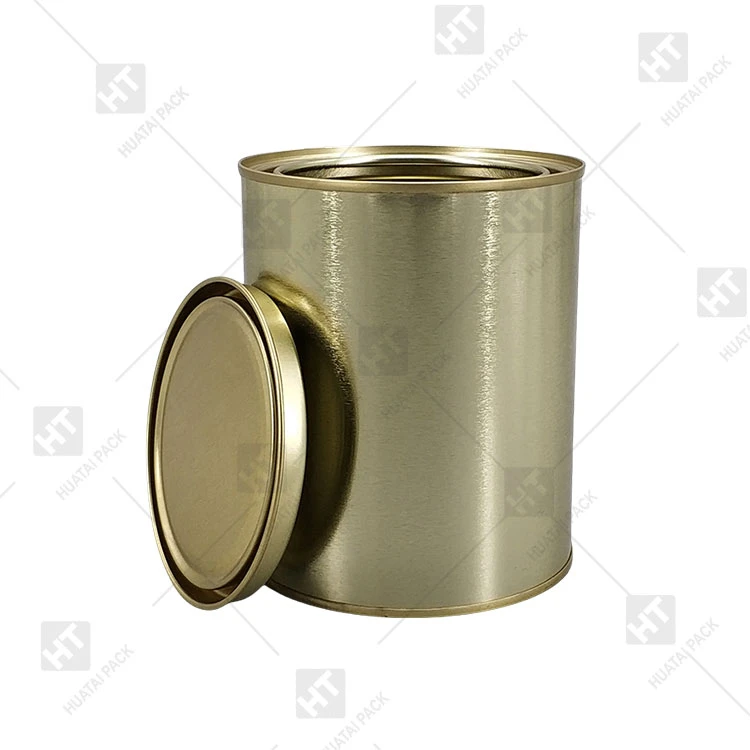
The paint can plays a crucial role in protecting the paint from environmental factors and ensuring its long-term stability. A high-quality 1l paint can is designed to provide a hermetic seal, preventing air and moisture from entering the can and causing the paint to dry out or degrade. This is particularly important for paints that are sensitive to moisture, such as water-based paints.
In addition to providing a protective barrier, the paint can also helps to maintain the consistency and viscosity of the paint. The can's shape and size are carefully designed to minimize the amount of air space inside the can, reducing the risk of oxidation and contamination. This helps to ensure that the paint remains in a stable state until it is ready to be used.
Factors Contributing to Crack Resistance
Several factors contribute to the ability of paint to resist cracking. These include the type of paint, the formulation of the paint, and the presence of additives.
Type of Paint
There are several types of paint available on the market, each with its own unique properties and characteristics. The most common types of paint include oil-based paints, water-based paints, and latex paints.

Oil-based paints are known for their durability and resistance to cracking. They are typically formulated with a high percentage of pigments and resins, which provide a strong and flexible paint film. However, oil-based paints can take longer to dry and may emit strong fumes during the drying process.
Water-based paints, on the other hand, are more environmentally friendly and easier to clean up. They are typically formulated with a lower percentage of pigments and resins, which makes them more flexible and less prone to cracking. However, water-based paints may not be as durable as oil-based paints and may require more frequent touch-ups.
Latex paints are a type of water-based paint that is formulated with synthetic polymers. They are known for their excellent adhesion, durability, and resistance to cracking. Latex paints are also easy to apply and clean up, making them a popular choice for both interior and exterior painting projects.
Paint Formulation
The formulation of the paint plays a crucial role in its ability to resist cracking. A well-formulated paint will contain a balanced combination of pigments, resins, solvents, and additives, which work together to provide a strong and flexible paint film.
Pigments are the colorants in the paint that give it its color and opacity. They also help to protect the paint film from UV radiation and other environmental factors. Resins are the binders in the paint that hold the pigments together and provide adhesion to the surface. Solvents are used to dissolve the resins and pigments and to adjust the viscosity of the paint. Additives are used to enhance the performance of the paint, such as improving its drying time, adhesion, and resistance to cracking.
Additives
Additives are substances that are added to the paint to enhance its performance. There are several types of additives that can be used to improve the crack resistance of paint, including flexibilizers, anti-cracking agents, and UV stabilizers.
Flexibilizers are additives that are used to increase the flexibility of the paint film. They work by reducing the brittleness of the paint and allowing it to expand and contract without cracking. Anti-cracking agents are additives that are used to prevent the formation of cracks in the paint film. They work by improving the adhesion of the paint to the surface and reducing the stress on the paint film. UV stabilizers are additives that are used to protect the paint from UV radiation, which can cause the paint to fade and crack over time.
The Importance of Proper Application
In addition to the type of paint, the formulation of the paint, and the presence of additives, proper application is also crucial for ensuring the crack resistance of paint. Here are some tips for applying paint to minimize the risk of cracking:
- Prepare the surface: Before applying paint, it is important to prepare the surface properly. This includes cleaning the surface, removing any loose paint or debris, and sanding the surface to create a smooth and even finish.
- Use the right tools: Using the right tools for the job is essential for achieving a professional-looking finish. This includes using a high-quality paintbrush or roller, and using the appropriate type of paint for the surface.
- Apply thin coats: Applying thin coats of paint is better than applying one thick coat. This allows the paint to dry evenly and reduces the risk of cracking.
- Allow sufficient drying time: It is important to allow sufficient drying time between coats of paint. This allows the paint to dry completely and reduces the risk of cracking.
- Avoid painting in extreme conditions: Painting in extreme conditions, such as high humidity or extreme temperatures, can increase the risk of cracking. It is best to paint in moderate conditions and avoid painting in direct sunlight or in areas with poor ventilation.
Conclusion
In conclusion, the ability of paint to resist cracking is influenced by a variety of factors, including the type of paint, the formulation of the paint, the presence of additives, and the proper application of the paint. As a supplier of 1l paint cans, I understand the importance of providing high-quality paint cans that protect the paint from environmental factors and ensure its long-term stability.
If you're in the market for 1l paint cans, I invite you to explore our range of products, including Small Round Metal Can, 4oz Candle Tins, and 1gallon Paint Can. Our paint cans are designed to provide a hermetic seal, preventing air and moisture from entering the can and causing the paint to dry out or degrade. They are also available in a variety of sizes and styles to meet your specific needs.
If you have any questions or would like to discuss your paint can requirements, please don't hesitate to contact us. We look forward to working with you to provide the best possible solution for your painting needs.
References
- ASTM International. (2021). Standard Test Methods for Evaluating the Resistance of Paints and Related Coatings to Cracking. ASTM D660-17.
- Koleske, J. V. (2003). Paint and Coating Testing Manual: Fourteenth Edition of the Gardner-Sward Handbook. ASTM International.
- NACE International. (2019). Coating Inspector Level 1 Training Manual. NACE International.