

How does the paint in a 1l paint can perform in hot weather?
Jul 26, 2026
How does the paint in a 1l paint can perform in hot weather?
As a supplier of 1l paint cans, I've had numerous inquiries from customers about how the paint within these cans behaves under hot weather conditions. This is a crucial question, as extreme temperatures can significantly impact the quality and performance of paint. In this blog, I'll delve into the science behind paint behavior in hot weather, drawing on my experience in the industry and the latest research findings.
The Basics of Paint Composition
Before we explore how paint performs in hot weather, it's essential to understand its basic composition. Paint typically consists of three main components: pigments, binders, and solvents. Pigments provide color and opacity, binders hold the pigments together and adhere the paint to the surface, and solvents help to thin the paint and make it easier to apply.
The performance of paint in hot weather is largely determined by the properties of these components. For example, solvents evaporate more quickly in hot weather, which can affect the drying time and consistency of the paint. Binders can also be affected by heat, becoming more brittle or losing their adhesion properties.
Impact of Hot Weather on Paint Drying
One of the most noticeable effects of hot weather on paint is the drying time. In general, paint dries faster in hot weather because the heat accelerates the evaporation of solvents. While this may seem like a positive aspect, it can also lead to several issues.
Firstly, if the paint dries too quickly, it may not have enough time to level out properly, resulting in a rough or uneven finish. This is especially true for thicker paints or those applied in multiple coats. Secondly, rapid drying can cause the paint to crack or peel as it dries, as the surface layer dries and shrinks faster than the underlying layers.
To mitigate these issues, it's important to choose a paint that is formulated for hot weather conditions. Some paints contain additives that slow down the evaporation of solvents, allowing the paint to dry more evenly. Additionally, applying the paint in thin coats and avoiding direct sunlight can help to prevent rapid drying and ensure a smooth finish.
Effect of Heat on Paint Adhesion
Another important factor to consider is the impact of heat on paint adhesion. High temperatures can cause the paint to expand and contract, which can weaken the bond between the paint and the surface. This can lead to peeling, flaking, or blistering, especially on surfaces that are exposed to direct sunlight or extreme temperature fluctuations.
To improve paint adhesion in hot weather, it's important to prepare the surface properly before painting. This includes cleaning the surface to remove any dirt, grease, or loose paint, and applying a primer to create a smooth, even surface for the paint to adhere to. Additionally, choosing a paint that is specifically formulated for high-temperature environments can help to ensure better adhesion and durability.
Impact of Hot Weather on Paint Color and Appearance
Hot weather can also affect the color and appearance of paint. Exposure to sunlight and high temperatures can cause the paint to fade or change color over time. This is especially true for lighter colors, which are more susceptible to fading than darker colors.
To minimize the impact of heat on paint color, it's important to choose a paint that is UV-resistant. UV-resistant paints contain additives that help to protect the paint from the harmful effects of sunlight, preventing fading and discoloration. Additionally, applying a clear topcoat can provide an extra layer of protection and help to maintain the paint's color and appearance.
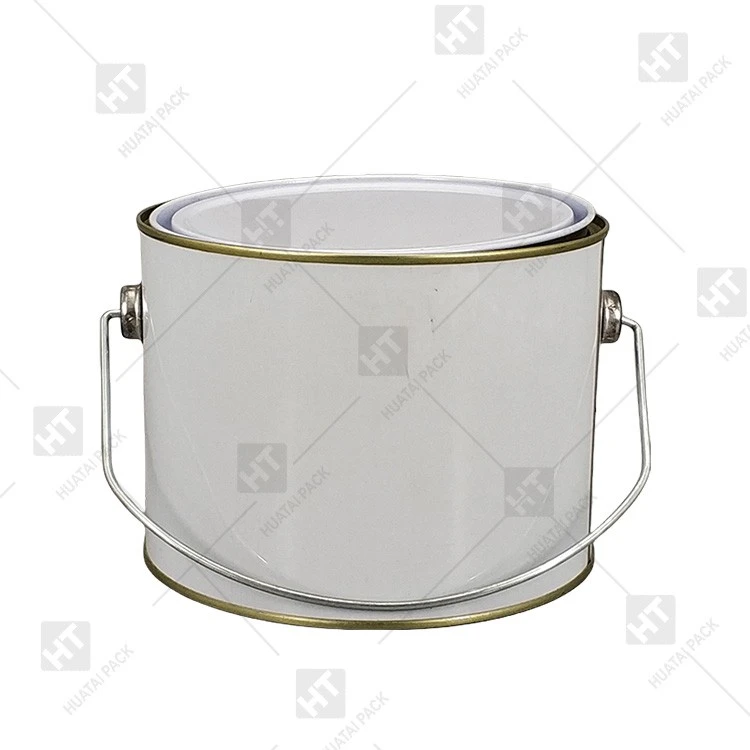

Storage and Handling of 1l Paint Cans in Hot Weather
Proper storage and handling of 1l paint cans are crucial to ensure the quality and performance of the paint. In hot weather, it's important to store the paint cans in a cool, dry place away from direct sunlight and heat sources. High temperatures can cause the paint to thicken, separate, or even spoil, rendering it unusable.
When transporting the paint cans, it's important to keep them in a well-ventilated area and avoid exposing them to extreme temperatures. If the paint cans are exposed to high temperatures for an extended period, the paint may become damaged, and the cans may even explode.
Our 1l Paint Cans: Designed for Hot Weather Performance
At our company, we understand the challenges of painting in hot weather. That's why we offer a range of 1l paint cans that are specifically formulated to perform well in high-temperature environments. Our paints are made with high-quality pigments, binders, and solvents that are designed to withstand the rigors of hot weather, ensuring a smooth, even finish and long-lasting durability.
We also offer a variety of Round Paint Cans and Small Mini Paint Can options to meet the needs of different customers. Our round cans are available in a range of sizes and colors, making them ideal for a variety of painting projects. Our small mini paint cans are perfect for touch-ups and small projects, providing a convenient and cost-effective solution.
Conclusion
In conclusion, hot weather can have a significant impact on the performance of paint in a 1l paint can. From drying time and adhesion to color and appearance, it's important to understand the effects of heat on paint and take the necessary steps to ensure a successful painting project. By choosing a paint that is formulated for hot weather conditions, preparing the surface properly, and storing and handling the paint cans correctly, you can achieve a beautiful, long-lasting finish that will stand the test of time.
If you're interested in learning more about our 1l paint cans or have any questions about painting in hot weather, please don't hesitate to contact us. We're here to help you find the right paint for your project and ensure your satisfaction.