

How does the glue in a 32oz can dry - up in cold weather?
Dec 08, 2025
As a supplier of 32oz glue cans, I've encountered numerous inquiries from customers regarding how the glue inside these cans dries up in cold weather. Understanding this process is crucial not only for end - users but also for those in the supply chain, as it can impact product quality and usability. In this blog, I'll delve into the scientific aspects of glue drying in cold conditions and provide some insights on how to manage this situation.
The Basics of Glue Drying
Before we discuss the impact of cold weather, let's first understand the general process of glue drying. Most glues dry through either evaporation or a chemical reaction. Evaporative glues, such as water - based glues, rely on the evaporation of a solvent (usually water) to leave behind the adhesive polymers. As the solvent evaporates, the polymers come closer together, forming a bond. Chemical - reaction glues, on the other hand, cure through a chemical reaction that is often triggered by exposure to air, moisture, or heat.
How Cold Weather Affects Evaporative Glues
In cold weather, the evaporation rate of solvents in evaporative glues slows down significantly. Temperature is a key factor in the evaporation process. According to the kinetic theory of gases, the average kinetic energy of molecules is directly proportional to the temperature. When the temperature drops, the molecules of the solvent have less energy, and thus, fewer of them have enough energy to escape from the liquid phase into the gas phase.
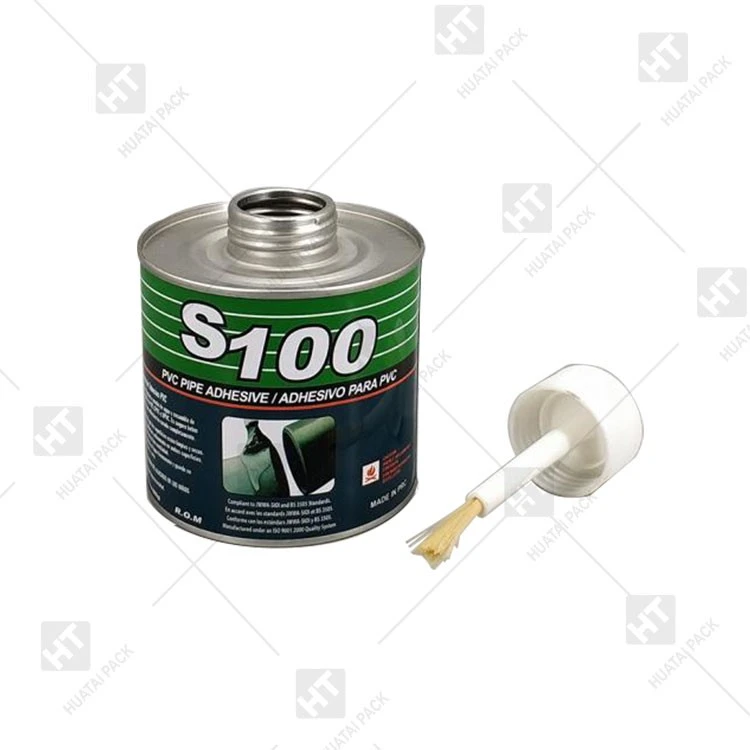

For a 32oz can of water - based glue, in normal room temperature conditions (around 20 - 25°C or 68 - 77°F), the water solvent evaporates at a relatively steady rate. However, in cold weather, say below 10°C (50°F), the evaporation can become extremely slow. This means that the glue will take much longer to dry. For example, a glue that might dry in an hour at room temperature could take several hours or even days to dry in cold weather.
Another aspect is the viscosity of the glue. Cold temperatures increase the viscosity of most liquids, including glue. As the viscosity rises, the movement of the solvent molecules within the glue becomes more restricted. This further impedes the evaporation process because the solvent molecules have a harder time reaching the surface of the glue where they can evaporate.
Impact on Chemical - Reaction Glues
Chemical - reaction glues are also affected by cold weather. Many of these glues rely on a specific temperature range for the chemical reaction to occur at an optimal rate. Cold temperatures can slow down or even halt the chemical reaction. For instance, some epoxy glues require a certain level of heat to initiate and sustain the cross - linking reaction that leads to curing.
In cold weather, the activation energy required for the chemical reaction might not be readily available. The molecules in the glue move more slowly, and the probability of successful collisions between the reactant molecules decreases. As a result, the glue may not cure properly, leading to a weaker bond or a glue that remains sticky for an extended period.
Practical Implications for Our 32oz Glue Cans
As a supplier of 32oz glue cans, the impact of cold weather on glue drying has several practical implications. Firstly, it can lead to customer dissatisfaction. If customers are using our glue in cold conditions and it takes an unexpectedly long time to dry or doesn't dry at all, they may be disappointed with the product.
Secondly, it can affect the storage and transportation of our products. If the glue cans are stored in unheated warehouses or transported in cold trucks during the winter, the glue inside may not be in an ideal state when it reaches the end - user. This could potentially lead to returns or complaints.
Mitigation Strategies
To address these issues, we can offer some advice to our customers. For those using our 32oz glue cans in cold weather, we recommend using a heat source to warm up the glue and the surrounding environment. This can be as simple as using a space heater in a small area or placing the glue can in a warm water bath for a short period before use. However, it's important to ensure that the glue is not over - heated, as this can also damage the adhesive properties.
We also suggest that customers store the glue cans in a warm place. If possible, they should bring the glue cans indoors before using them in cold weather to allow the glue to reach a more suitable temperature.
Our Other Product Offerings
In addition to our 32oz glue cans, we also offer a range of other products. For those who need smaller quantities, we have 4oz Pvc Can With Cap. This smaller size is perfect for DIY projects or small - scale repairs. We also have Pvc Can in various sizes, which are suitable for different types of adhesives. And if you need a bit more glue than the 4oz but less than the 32oz, our 8oz Glue Can is a great option.
Encouraging Contact for Purchase and Negotiation
We understand that every customer has unique needs when it comes to glue products. Whether you're a large - scale manufacturer or a hobbyist, we're here to provide the best solutions for you. If you're interested in our 32oz glue cans or any of our other products, we encourage you to contact us for purchase and negotiation. We're committed to offering high - quality products at competitive prices and providing excellent customer service.
References
- Atkins, P., & de Paula, J. (2006). Physical Chemistry. Oxford University Press.
- Callister, W. D., & Rethwisch, D. G. (2011). Materials Science and Engineering: An Introduction. Wiley.