

How does a 2l olive oil can compare to smaller sizes?
Aug 06, 2025
Hey there! I'm a supplier of 2L olive oil cans, and I've been in this business for quite a while. Today, I wanna chat about how a 2L olive oil can stacks up against smaller sizes. Whether you're a retailer looking to stock up or a consumer trying to decide which size is right for you, this post is for you.
Cost-Effectiveness
First off, let's talk about cost. Generally speaking, buying olive oil in a 2L can is more cost-effective than getting smaller sizes. When you purchase in bulk, you usually get a better price per liter. For example, if a 500ml can of olive oil costs $5, that's $10 per liter. But a 2L can might only cost $15, which brings the price per liter down to $7.5. That's a significant saving, especially if you use olive oil regularly in your cooking.
This cost - effectiveness is not only great for consumers but also for retailers. If you're running a grocery store or a specialty food shop, stocking 2L cans can help you offer competitive prices to your customers while still making a decent profit. You can pass on some of the savings to your shoppers, which can attract more business.
Convenience
Now, let's consider convenience. For consumers who cook a lot, a 2L can of olive oil can be super convenient. You don't have to run to the store as often to restock. It's especially handy if you live in an area where it's not easy to get to the supermarket frequently. You can just keep that big can in your pantry and use it as needed.
On the other hand, smaller sizes like 1L Olive Oil Can might be more convenient for people who don't use olive oil very often or for those with limited storage space. If you live in a small apartment or a dorm room, a 2L can might take up too much room. And if you're only using olive oil occasionally for a specific recipe, a smaller can is less likely to go bad before you finish it.
Shelf Life and Oxidation
Shelf life is another important factor. Olive oil can oxidize over time, especially when it's exposed to air, light, and heat. A 2L can has more oil, which means there's more surface area of the oil exposed to the air inside the can. However, modern 2L cans are usually designed to minimize oxidation. They often have airtight seals and are made of materials that block out light.
Smaller cans, though, have less oil and less air inside the can, which can potentially slow down the oxidation process. But if you open a smaller can and don't use it all at once, the remaining oil is still at risk of oxidation. So, it's important to store both 2L and smaller cans properly in a cool, dark place.
Packaging and Design
The packaging of a 2L olive oil can also has its own advantages. These cans are often designed for easy pouring and handling. They usually have a well - designed spout that allows for a smooth and controlled pour, which is great for cooking. And from a marketing perspective, a 2L can can make a big impact on the shelf. It stands out more than smaller cans, which can attract the attention of consumers.
Smaller cans, however, can be more versatile in terms of packaging. They can be used for promotional offers or as samples. For example, a store might give away small cans of olive oil as part of a new product launch. And if you're a consumer who wants to try a new brand of olive oil, a smaller can is a low - risk option.

Storage and Transportation
When it comes to storage and transportation, 2L cans have their pros and cons. On one hand, they take up more space in storage facilities. But on the other hand, they are more efficient to transport in terms of volume. You can fit more liters of olive oil in a single shipment when using 2L cans compared to smaller sizes. This can reduce transportation costs for both suppliers and retailers.
Retailers also need to consider how they'll display the cans in their stores. A 2L can might require a different type of shelving or display unit compared to smaller cans. But it can also create a more prominent display, which can increase sales.
Consumer Preferences
Consumer preferences play a big role in the choice between 2L and smaller sizes. Some consumers prefer the idea of having a large supply of olive oil on hand, while others are more concerned about the freshness and the amount they'll actually use. Younger consumers, especially those who are just starting to cook on their own, might be more likely to buy smaller sizes because they're not sure how much they'll use.
Older consumers or those who have been cooking for a long time might be more inclined to buy 2L cans. They know how much olive oil they go through and are more comfortable with the idea of having a larger quantity. And for families, a 2L can can be a great option as it can last for a while.
Our 2L Olive Oil Cans
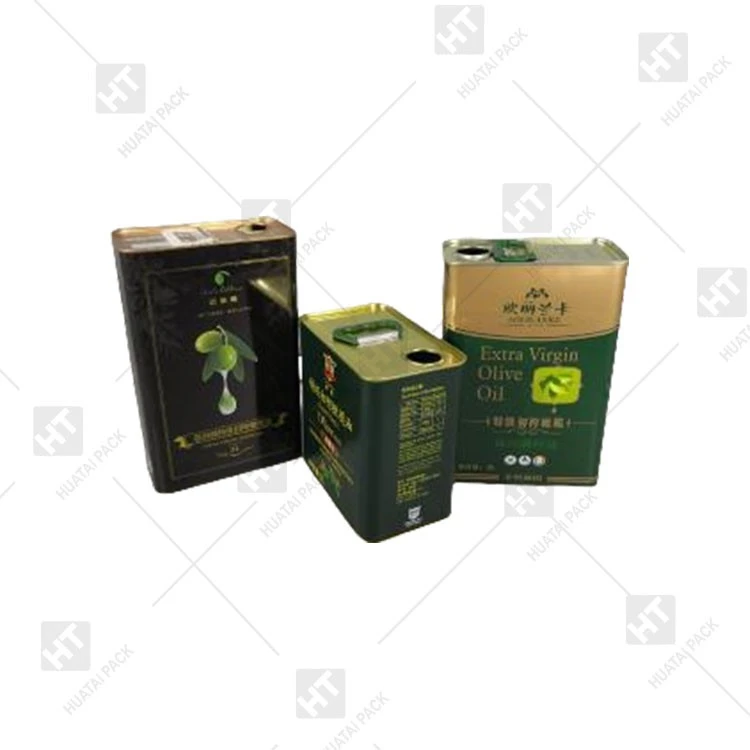
As a supplier of 2L olive oil cans, I'm really proud of the products we offer. Our cans are made of high - quality materials that ensure the safety and freshness of the olive oil. We use Square Tin Can For Olive Oil designs that are not only functional but also look great on the shelf.
Our 2L cans are also very affordable, which makes them a great choice for retailers looking to offer value to their customers. We can work with you to customize the labels and packaging to fit your brand's needs. Whether you're a small local store or a large chain, we can provide you with the quantity you need at a competitive price.
Conclusion
So, there you have it! A 2L olive oil can has its own set of advantages and disadvantages when compared to smaller sizes. It's more cost - effective, convenient for heavy users, and efficient for transportation. But smaller sizes are better for those with limited storage or who use olive oil sparingly.
If you're interested in purchasing our 2L olive oil cans, I'd love to have a chat with you. Whether you're a retailer looking to expand your product line or a distributor in need of a reliable supplier, we're here to help. Feel free to reach out to discuss your requirements and let's see how we can work together.
References
- "The Science of Olive Oil Oxidation" - Journal of Food Science
- "Consumer Buying Behavior in the Olive Oil Market" - Market Research Quarterly