

How does a 16oz glue can compare to liquid glue?
Nov 24, 2025
Hey there! As a supplier of 16oz glue cans, I've got a lot to say about how these bad boys stack up against liquid glue. Let's dive right in and explore the differences, advantages, and situations where each type shines.
Packaging and Portability
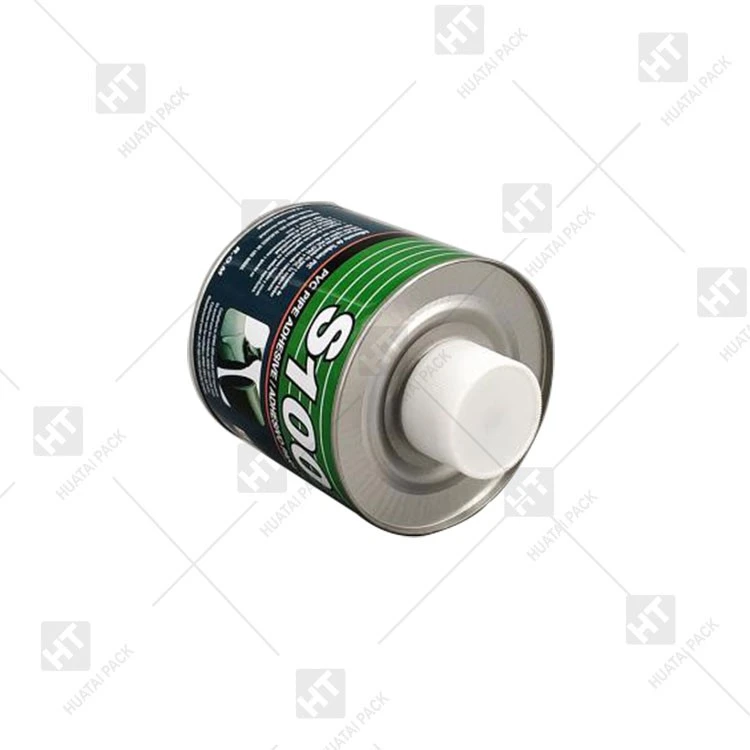
First off, let's talk about the packaging. A 16oz glue can, like the 16oz Pvc Can With Cap, offers a sturdy and durable container. It's made to withstand a bit of rough handling, which is great if you're on a job site or moving your supplies around a lot. The can design also helps protect the glue from spills and leaks. You don't have to worry about it tipping over in your toolbox and making a mess.
On the other hand, liquid glue usually comes in plastic bottles. These can be more lightweight and easier to squeeze, but they're also more prone to damage. A little crack or a loose cap, and you've got glue everywhere. And if you're carrying a bunch of different glues, the cans are easier to stack and organize compared to those wobbly bottles.
Application and Control
When it comes to applying the glue, both have their pros and cons. With a 16oz glue can, you typically use a brush or a spatula to get the glue out and onto your surface. This gives you a lot of control over how much glue you're using. You can spread it evenly, apply it in thin layers, or build up thicker sections depending on what you need. It's great for projects where precision is key, like woodworking or crafting.
Liquid glue, though, is often applied directly from the bottle. You can squeeze it out in a thin stream or a blob, depending on the tip of the bottle. This can be really convenient for quick fixes or small projects. But it can also be a bit tricky to control the amount. If you squeeze too hard, you might end up with more glue than you need, which can lead to messy joints and longer drying times.
Drying Time and Bond Strength
Drying time is another important factor. Glue from a 16oz can usually takes a bit longer to dry compared to liquid glue. This can be a good thing or a bad thing, depending on your project. The longer drying time gives you more time to adjust the pieces you're gluing together. You can reposition them, make sure they're aligned perfectly, without worrying about the glue setting too quickly.
Once it does dry, though, the bond strength of the glue from a can is often quite impressive. It forms a strong, durable bond that can hold up to a lot of stress. This makes it ideal for heavy-duty applications, like construction or furniture repair.
Liquid glue, on the other hand, dries quickly. This is great if you're in a hurry and need to get the job done fast. But the quick drying time also means you have less time to work with the pieces. And sometimes, the bond strength might not be as strong as that of the can glue, especially for larger or more demanding projects.
Versatility
Both types of glue are pretty versatile, but they have their specialties. A 16oz glue can is often used for a wide range of materials, including wood, metal, plastic, and ceramics. It can handle different temperatures and humidity levels, making it suitable for both indoor and outdoor projects.

Liquid glue, on the other hand, is often formulated for specific materials or applications. For example, there are liquid glues designed specifically for paper, fabric, or glass. So if you're working on a project that involves a particular material, you might be better off using a liquid glue that's tailored to that material.
Cost and Quantity
Let's talk about money. In general, a 16oz glue can offers a good amount of glue for your money. You're getting a decent quantity, and the can itself is reusable in some cases. If you're doing a lot of gluing, buying in bulk with a 16oz can can save you some cash in the long run.
Liquid glue, though, can come in smaller sizes, which might be more suitable if you only need a little bit of glue for a small project. But if you're using a lot of glue regularly, the cost can add up quickly. And if you're comparing the price per ounce, the 16oz can is often a more cost-effective option.
Storage and Shelf Life
Storing your glue properly is important to make sure it stays in good condition. A 16oz glue can is great for storage. The tight-fitting cap helps keep the glue fresh and prevents it from drying out. You can store it in a cool, dry place for a long time without worrying too much about it going bad.
Liquid glue, on the other hand, can dry out more easily if the cap isn't sealed properly. And some liquid glues might have a shorter shelf life, especially if they're exposed to heat or sunlight. So you need to be a bit more careful with how you store them.
When to Choose Each
So, when should you choose a 16oz glue can and when should you go for liquid glue? If you're working on a large project that requires a lot of glue, like building a piece of furniture or doing some home repairs, a 16oz glue can is a great choice. It offers good value, strong bond strength, and plenty of time to work with the pieces.
If you're doing a quick fix or a small craft project, like gluing a button back on a shirt or fixing a broken toy, liquid glue might be more convenient. It dries quickly and is easy to apply in small amounts.
Conclusion
In conclusion, both 16oz glue cans and liquid glue have their own unique advantages. It really depends on your specific project, your personal preferences, and how you plan to use the glue. As a supplier of 16oz glue cans, I believe in the quality and versatility of our product. But I also understand that there are times when liquid glue is the better option.
If you're interested in learning more about our 16oz glue cans or other products like the 32oz Pvc Can With Cap or Pvc Can, feel free to reach out. We're always happy to answer any questions you might have and discuss your specific needs. Whether you're a professional contractor or a DIY enthusiast, we've got the glue solutions for you. Let's start a conversation and see how we can help with your next project!
References
- General knowledge and experience in the glue industry.
- Customer feedback and project case studies.