

How do I make the glue in an 8oz can dry faster?
Aug 12, 2025
Hey there! As a supplier of 8oz glue cans, I often get asked how to make the glue in these cans dry faster. It's a common concern, especially when you're in the middle of a project and need that glue to set quickly. So, I'm here to share some tips and tricks that can help speed up the drying process.
First off, let's understand a bit about how glue dries. Most glues dry through a process called evaporation. The solvents in the glue evaporate, leaving behind a solid bond. So, anything that can increase the rate of evaporation will help the glue dry faster.
1. Increase Air Circulation
One of the easiest ways to make the glue dry faster is to increase the air circulation around it. You can use a fan to blow air over the glued area. This helps to carry away the evaporated solvents and replace them with fresh air, which speeds up the drying process. Just make sure the fan is set to a moderate speed. If it's too strong, it might blow dust or debris onto the glue, which could affect the bond.
For example, if you're gluing two pieces of wood together, place them in front of a fan. You can also adjust the position of the fan to ensure that the air is flowing evenly over the glued surface. This simple trick can significantly reduce the drying time.
2. Raise the Temperature
Temperature plays a crucial role in the drying process. Generally, higher temperatures increase the rate of evaporation. However, you need to be careful not to overheat the glue, as this can cause it to become too thin or even break down.
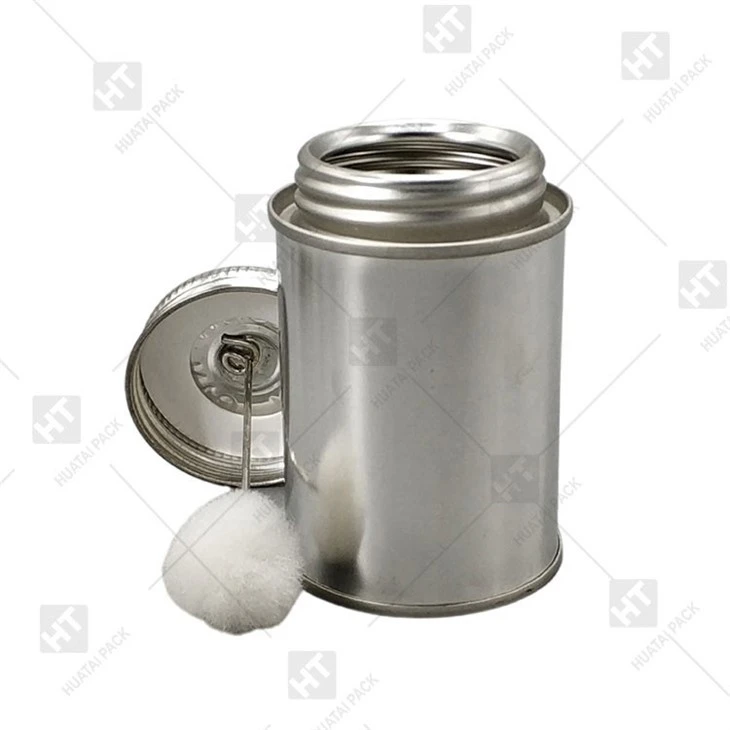

A good rule of thumb is to keep the temperature in the range of 70 - 80°F (21 - 27°C). You can use a space heater to warm up the area where you're working. Just make sure to keep the heater at a safe distance from the glue to avoid direct heat exposure.
If you're working in a cold environment, the glue will take much longer to dry. So, try to find a warm and well - ventilated place to do your gluing.
3. Reduce Humidity
Humidity can slow down the drying process because it makes it harder for the solvents in the glue to evaporate. If you're working in a humid environment, consider using a dehumidifier. This will remove the moisture from the air, allowing the glue to dry faster.
You can also try to work in a room with good ventilation. Open windows and doors to let the humid air out and fresh, dry air in. Another option is to use a desiccant, such as silica gel packets, near the glued area. These packets can absorb moisture from the surrounding air.
4. Use a Thinner Layer of Glue
The thickness of the glue layer also affects the drying time. A thicker layer of glue will take longer to dry because there is more solvent that needs to evaporate. So, try to apply a thin, even layer of glue.
When using our 8oz Glue Can, make sure to spread the glue evenly on the surface. You can use a brush or a spatula to apply the glue. A thin layer not only dries faster but also creates a stronger bond.
5. Choose the Right Glue for the Job
Not all glues are created equal, and some dry faster than others. If you need a quick - drying glue, look for products that are specifically labeled as such. Our 8oz glue cans come in different formulations, some of which are designed for fast - drying applications.
For example, if you're gluing plastic parts, you might want to choose a glue that is formulated for plastic bonding and has a fast - drying time. Make sure to read the product label carefully to understand the drying time and other specifications.
6. Apply Pressure
Applying pressure to the glued surfaces can also help the glue dry faster. When you apply pressure, it squeezes out any excess glue and brings the two surfaces closer together, allowing the glue to bond more quickly.
You can use clamps or weights to apply pressure. Just make sure not to apply too much pressure, as this could cause the glue to squeeze out from the edges and create a mess.
7. Consider Using a Catalyst or Accelerator
Some glues come with catalysts or accelerators that can speed up the drying process. These are usually added to the glue just before use. If you're in a hurry and need the glue to dry as quickly as possible, ask your supplier if they offer a catalyst or accelerator for the glue in our 8oz Glue Can.
However, be careful when using these additives, as they can change the properties of the glue. Make sure to follow the manufacturer's instructions carefully.
Other Can Sizes and Their Applications
In addition to our 8oz glue cans, we also offer 16oz Glue Can and 4oz Pvc Can With Cap. The 16oz cans are great for larger projects where you need more glue. They still follow the same principles for drying, but you might need to adjust the methods slightly due to the larger amount of glue.
The 4oz PVC cans with caps are perfect for small - scale projects or for when you only need a small amount of glue. They are more portable and easier to handle.
If you're interested in our glue cans, whether it's the 8oz, 16oz, or 4oz PVC cans, we're here to help. Our products are of high quality and come with excellent customer support. If you have any questions about the drying process, product selection, or any other concerns, feel free to reach out to us. We're always happy to assist you with your gluing needs and help you find the best solution for your projects. Contact us to start a discussion about your procurement requirements, and let's work together to get your projects done efficiently.
References
- "The Chemistry of Glue Drying," Science Journal of Adhesives, Vol. 12, Issue 3.
- "Factors Affecting Glue Drying Time," Industrial Adhesive Research Institute, 2022.
- Product manuals for our 8oz, 16oz, and 4oz glue cans.