

How do I know if the glue in an 8oz can is too thick?
Nov 28, 2025
As a supplier of 8oz glue cans, I often encounter questions from customers regarding the consistency of the glue inside. One of the most common queries is, "How do I know if the glue in an 8oz can is too thick?" In this blog post, I will share some insights and practical methods to help you determine whether the glue has reached an undesirable thickness.
Understanding the Ideal Consistency of Glue
Before we dive into the methods of assessing glue thickness, it's essential to understand what the ideal consistency of glue should be. The ideal consistency varies depending on the type of glue. For instance, wood glue typically has a thicker, more viscous consistency, while super glue is much thinner and flows easily.
In general, the glue should be thick enough to hold the materials together effectively but thin enough to spread evenly without excessive force. If the glue is too thick, it may not spread properly, leading to uneven bonding and reduced adhesive strength. On the other hand, if the glue is too thin, it may run off the surfaces, resulting in poor adhesion.

Visual Inspection
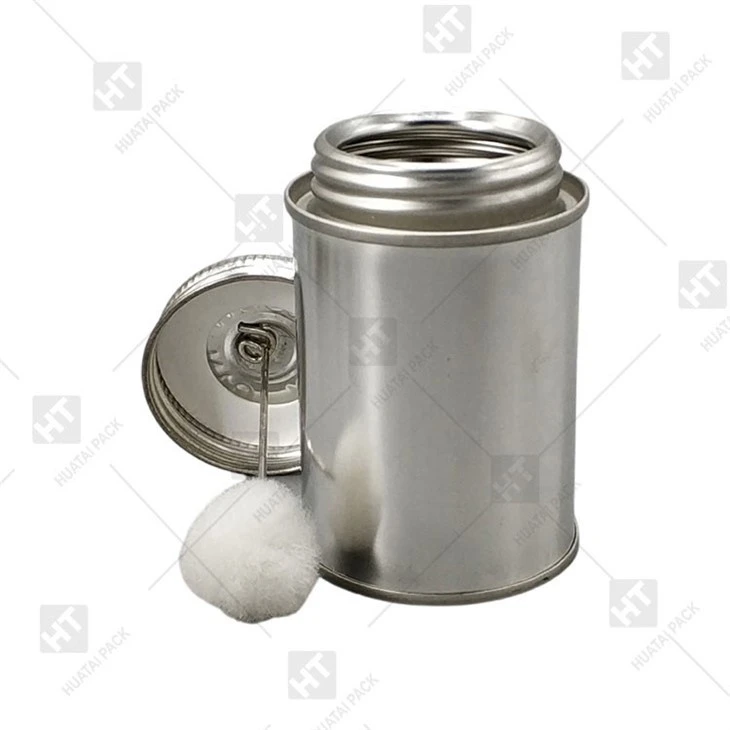
One of the simplest ways to determine if the glue is too thick is through visual inspection. Start by shaking the 8oz glue can gently. If the glue is of the right consistency, it should move freely inside the can, and you should be able to hear it sloshing around. If the glue appears to be stuck to the sides of the can or doesn't move much when shaken, it may be too thick.
Next, open the can and take a look at the glue. The glue should have a smooth, uniform appearance. If you notice clumps or chunks in the glue, it's a sign that it has thickened and may not be suitable for use. Additionally, if the glue has a skin or film on the surface, it indicates that it has started to dry out and thicken.
Flow Test
Another effective method to assess the thickness of the glue is the flow test. To perform this test, pour a small amount of glue onto a flat, clean surface. The glue should flow smoothly and form a thin, even layer. If the glue doesn't flow at all or forms a thick, lumpy mass, it's too thick.
You can also use a spoon or a spatula to spread the glue on the surface. The glue should spread easily without leaving streaks or clumps. If you have to apply a lot of pressure to spread the glue, it's a clear indication that it has thickened.
Viscosity Measurement
For a more accurate assessment of the glue's thickness, you can use a viscosity measurement tool. Viscosity is a measure of a fluid's resistance to flow, and it can be measured using a viscometer. There are different types of viscometers available, including rotational viscometers and capillary viscometers.
To use a viscometer, follow the manufacturer's instructions carefully. Generally, you will need to immerse the viscometer in the glue and measure the time it takes for the glue to flow through a specific opening or the force required to rotate a spindle in the glue. The viscosity reading will give you an idea of how thick the glue is compared to the recommended viscosity range for that particular type of glue.
Factors Affecting Glue Thickness
Several factors can cause the glue in an 8oz can to thicken over time. One of the main factors is evaporation. When the glue is exposed to air, the solvents in the glue evaporate, causing the glue to become thicker. This is especially true for water-based glues, which are more prone to evaporation.
Temperature also plays a significant role in glue thickness. Glue tends to thicken at lower temperatures and become thinner at higher temperatures. If the glue has been stored in a cold environment, it may thicken, and you may need to warm it up to restore its original consistency.
Another factor is the age of the glue. Over time, the chemical components of the glue can break down, causing it to thicken and lose its adhesive properties. It's important to check the expiration date on the glue can and use the glue before it expires.
Solutions for Thick Glue
If you find that the glue in your 8oz can is too thick, there are several solutions you can try. One option is to warm the glue gently. You can do this by placing the closed can in a bowl of warm water for a few minutes. Make sure the water is not too hot, as excessive heat can damage the glue.
Another solution is to add a small amount of the appropriate solvent to the glue. However, this should be done carefully, as adding too much solvent can affect the glue's adhesive properties. It's best to follow the manufacturer's instructions when adding solvent to the glue.
If the glue has thickened due to evaporation, you can try stirring it vigorously to break up any clumps and restore its consistency. You can also try using a mixer or a blender to mix the glue thoroughly.
Other Glue Can Options
In addition to our 8oz glue cans, we also offer 32oz Glue Can and 4oz Glue Can options to meet your different needs. Our Flat Top Adhesive Tin Can With Lid provides a convenient and secure way to store and transport your glue.
Contact Us for Procurement
If you're interested in purchasing our 8oz glue cans or any of our other glue can products, we'd love to hear from you. We offer high-quality glue cans at competitive prices and excellent customer service. Whether you're a small business or a large manufacturer, we can provide you with the right glue can solution for your needs. Please feel free to reach out to us to discuss your procurement requirements and start a productive business relationship.
References
- ASTM International. (2021). Standard Test Methods for Viscosity of Adhesives. ASTM D2556 - 19.
- Henkel Adhesives. (2022). Technical Guide to Adhesive Application.
- 3M. (2023). Storage and Handling of Adhesives.