

How do I clean up spills from a 4oz glue can?
May 18, 2026
Cleaning up spills from a 4oz glue can is a common yet crucial task, especially when you're dealing with the day - to - day operations of a glue can supply business like mine. As a supplier of 4oz glue cans, I've encountered numerous scenarios where spills occur, and I've learned effective ways to handle them.
Understanding the Nature of Glue Spills
Before diving into the cleaning process, it's essential to understand the type of glue involved. Different glues have different properties, such as drying time, viscosity, and chemical composition. For example, water - based glues are generally easier to clean than solvent - based ones. Water - based glues can be dissolved in water to some extent, while solvent - based glues require specific solvents for proper removal.
When a spill happens from a 4oz glue can, the first step is to assess the situation. Determine how much glue has been spilled, the surface it has landed on, and the type of glue. If it's a small spill on a non - porous surface like glass or metal, the cleanup may be relatively straightforward. However, if it's a large spill on a porous surface such as wood or fabric, it can be more challenging.
Immediate Actions for Glue Spills
The moment you notice a spill from a 4oz glue can, act quickly. The longer the glue sits, the harder it will be to clean. If the glue is still wet, try to blot up as much of it as possible using a paper towel or a clean cloth. Press gently on the spill to absorb the excess glue without spreading it further.
For water - based glues, you can start by rinsing the affected area with warm water. This will help to loosen the glue and make it easier to remove. If the spill is on a hard surface, use a sponge or a soft brush to scrub the area gently. Be careful not to damage the surface.
If it's a solvent - based glue, avoid using water immediately. Instead, refer to the glue's safety data sheet (SDS) to find out the appropriate solvent for cleanup. Common solvents for solvent - based glues include acetone, mineral spirits, or rubbing alcohol. However, always test the solvent on a small, inconspicuous area first to ensure it doesn't damage the surface.
Cleaning Different Surfaces
Hard Surfaces
Hard surfaces such as glass, metal, and plastic are relatively easy to clean. After blotting up the excess glue, if it's a water - based glue, you can use a mild detergent and warm water. Mix a small amount of detergent in a bucket of warm water and use a sponge or a cloth to clean the area. Rinse thoroughly with clean water and dry with a soft towel.
For solvent - based glues on hard surfaces, apply the appropriate solvent using a cloth or a cotton ball. Gently rub the area with the solvent until the glue starts to dissolve. Be sure to work in a well - ventilated area, as solvents can emit strong fumes. Once the glue is removed, wash the area with soap and water to remove any remaining solvent residue.
Porous Surfaces
Porous surfaces like wood, fabric, and carpet are more difficult to clean. When dealing with a glue spill on wood, if the glue is still wet, you can try to scrape it off gently with a plastic scraper. Then, use a damp cloth to wipe the area. If the glue has dried, you may need to sand the surface lightly to remove the glue. However, be careful not to sand too much and damage the wood.
For fabric and carpet, if the glue is wet, blot it with a paper towel to remove as much as possible. Then, apply a small amount of dish soap or a fabric stain remover to the area. Gently rub the fabric together to work the cleaner into the stain. Rinse the area thoroughly with water. If the stain persists, you may need to take the fabric to a professional cleaner.
Preventing Future Spills
As a 4oz glue can supplier, I also emphasize the importance of preventing spills in the first place. One way to do this is to ensure that the glue cans are properly sealed. Our 32oz Pvc Can With Cap and Pvc Can are designed with tight - fitting caps to minimize the risk of spills during storage and transportation.
Another preventive measure is to use proper handling techniques. When pouring glue from a 4oz can, do it slowly and carefully. Place the can on a stable surface and use a funnel if necessary. Additionally, provide training to your employees on how to handle glue cans safely to reduce the likelihood of spills.
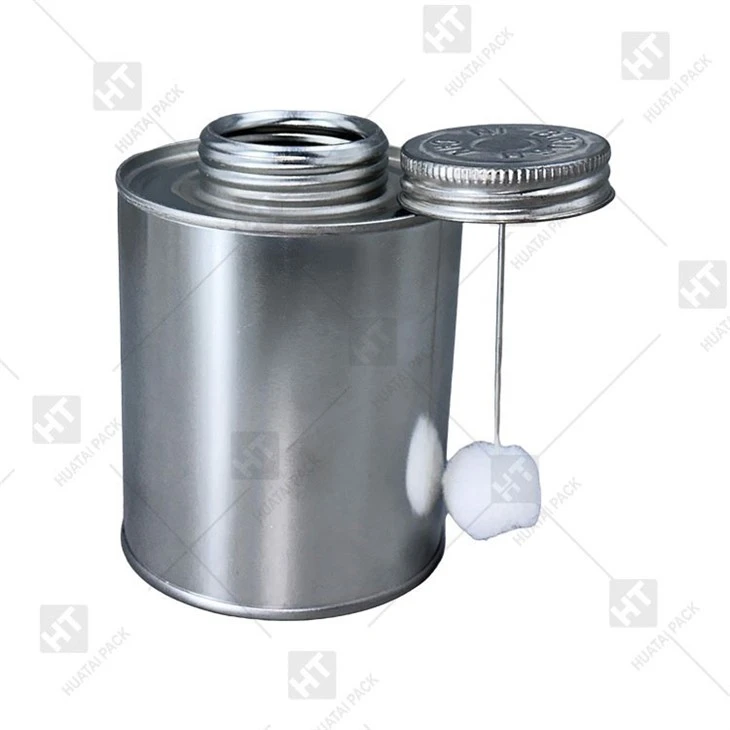

Our Product Range
In addition to 4oz glue cans, we also offer a variety of other sizes and types of glue cans, such as 16oz Glue Can. All our products are made from high - quality materials to ensure durability and safety. Whether you need a small can for a DIY project or a larger can for industrial use, we have the right solution for you.
Contact Us for Procurement
If you're interested in purchasing our glue cans, or if you have any questions about spill cleanup or our products in general, we'd love to hear from you. We're committed to providing excellent customer service and high - quality products. Reach out to us to start a procurement discussion and find the best glue can solution for your needs.