

Does a 16oz glue can require multiple coats?
May 14, 2025
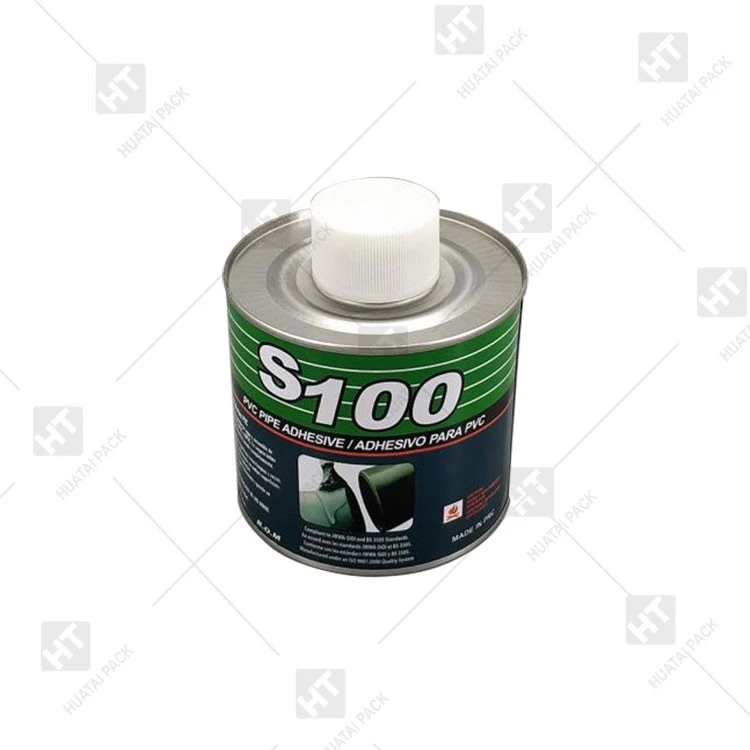
When it comes to the question of whether a 16oz glue can requires multiple coats, there are several factors to consider. As a supplier of 16oz glue cans, I've had the opportunity to observe various applications and customer experiences, which have provided valuable insights into this topic.
Understanding the Nature of Glue and Surface Requirements
The need for multiple coats of glue depends largely on the type of glue and the surface it is being applied to. Different glues have different viscosities, bonding strengths, and drying times. For instance, a thick, high - strength glue may require fewer coats compared to a thinner, less viscous one.
When it comes to surfaces, porous materials like wood or fabric tend to absorb glue more readily. In such cases, a single coat may not provide sufficient adhesion. The glue seeps into the pores, and if not enough is applied, it may not create a strong bond between the two surfaces. On the other hand, non - porous surfaces such as glass or metal require a different approach. These surfaces don't absorb the glue, so the focus is on spreading the glue evenly to ensure maximum contact and adhesion.
Applications and the Need for Multiple Coats
Woodworking
In woodworking, a 16oz glue can is often used for joining pieces of wood together. Wood is a porous material, and depending on the type of wood (softwood or hardwood) and its condition (dry or damp), multiple coats may be necessary. Softwoods, like pine, have larger pores and may require more glue to fill them. Hardwoods, such as oak, are denser but still porous. Applying multiple thin coats of glue can help in achieving a stronger bond. The first coat can penetrate the pores, and subsequent coats can build up the adhesive strength.
Crafting
For crafting projects, the surface materials can vary widely. If you're working with paper or cardboard, a single coat of glue may be sufficient in some cases. However, if you're attaching heavy embellishments or creating a multi - layered structure, multiple coats can ensure that the pieces stay firmly in place. The 16oz glue can provides enough product to apply multiple coats if needed, making it a popular choice among crafters.

Industrial Applications
In industrial settings, the requirements for glue application are often more stringent. For example, in the automotive or aerospace industries, where components need to be bonded securely, multiple coats of glue may be essential. The 16oz glue can is convenient for these applications as it provides a sufficient amount of glue for small - to - medium - scale bonding tasks. The glue needs to be applied in a controlled manner, and multiple coats can help in achieving the required strength and durability.
Advantages of Multiple Coats
Enhanced Bonding Strength
Applying multiple coats of glue can significantly enhance the bonding strength. Each coat adds an additional layer of adhesive, increasing the overall surface area of contact between the two materials. This results in a stronger and more durable bond, which is especially important in applications where the bond will be subjected to stress or strain.
Better Coverage
Multiple coats also ensure better coverage. If the first coat doesn't cover the entire surface evenly, subsequent coats can fill in the gaps. This is particularly important when working with irregular or textured surfaces, where it can be difficult to achieve complete coverage with a single coat.
Disadvantages of Multiple Coats
Longer Drying Time
One of the main disadvantages of applying multiple coats of glue is the longer drying time. Each coat needs to dry before the next one can be applied, which can slow down the overall project. In some cases, this may not be a problem, but in time - sensitive applications, it can be a significant drawback.
Increased Cost
Using multiple coats also means using more glue, which can increase the cost of the project. While a 16oz glue can provides a relatively large amount of glue, multiple coats may require additional cans, depending on the size of the project.
Factors Affecting the Number of Coats
Glue Type
As mentioned earlier, different types of glue have different properties. Epoxy glues, for example, are known for their high strength and may require fewer coats compared to white glue. Silicone glues are flexible and can be used in various applications, but they may need multiple coats for better adhesion on certain surfaces.
Surface Preparation
Proper surface preparation is crucial in determining the number of coats needed. If the surfaces are clean, dry, and free of dust and debris, a single coat of glue may be sufficient. However, if the surfaces are dirty or oily, multiple coats may be required to overcome the poor surface conditions.
Temperature and Humidity
Temperature and humidity can also affect the drying time and the performance of the glue. In high - humidity environments, the glue may take longer to dry, and multiple coats may need to be applied at longer intervals. In cold temperatures, the glue may become thicker and less spreadable, which can also impact the number of coats needed.
Our Product Range
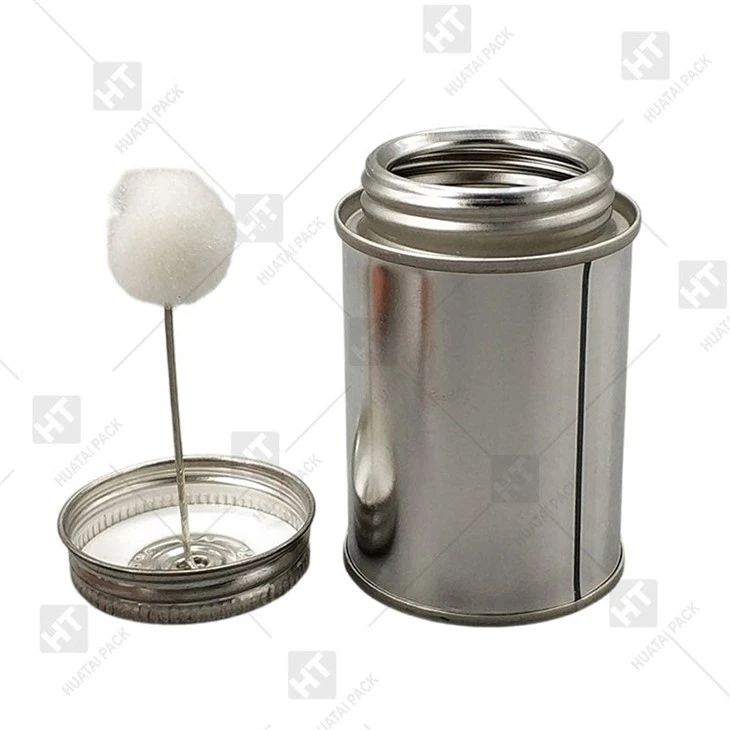
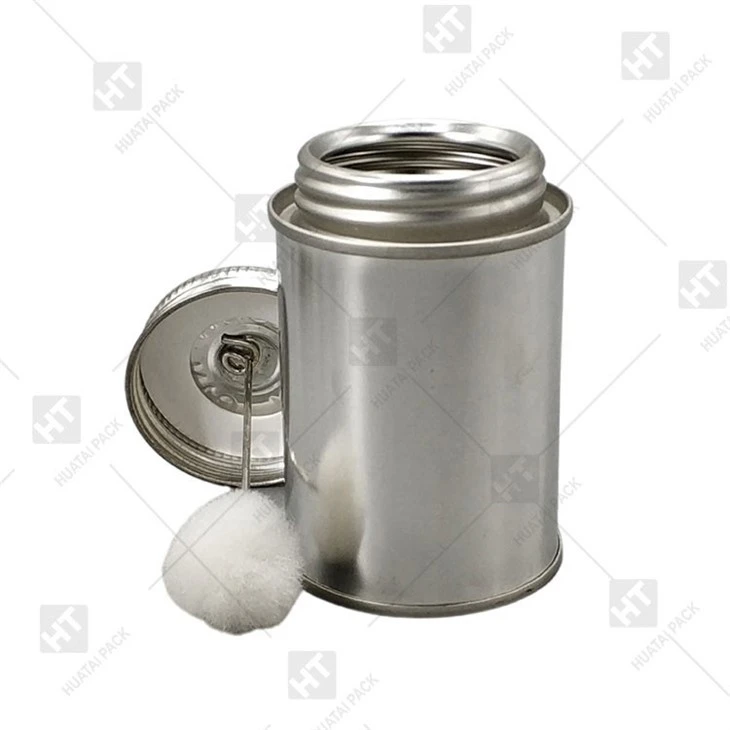
In addition to our 16oz glue cans, we also offer a variety of other glue can sizes to meet different customer needs. For smaller projects, we have the [8oz Glue Can]( /pvc - adhesive - can/8oz - glue - can.html), which is convenient and easy to handle. If you need a larger quantity, our [32oz Pvc Can With Cap]( /pvc - adhesive - can/32oz - pvc - can - with - cap.html) is a great option. We also have the [4oz Pvc Can With Cap]( /pvc - adhesive - can/4oz - pvc - can - with - cap.html) for those who only need a small amount of glue.
Conclusion
In conclusion, whether a 16oz glue can requires multiple coats depends on a variety of factors, including the type of glue, the surface it is being applied to, and the specific application. While multiple coats can provide enhanced bonding strength and better coverage, they also come with disadvantages such as longer drying times and increased costs. As a supplier, we are committed to providing high - quality glue products and helping our customers make the best decisions for their projects.
If you have any questions about our glue products or need advice on glue application, we encourage you to contact us for a procurement discussion. We look forward to working with you to meet your adhesive needs.
References
- "Adhesive Bonding: Principles and Practice" by David A. Dillard
- "Handbook of Adhesives and Sealants" edited by Charles A. Dostal