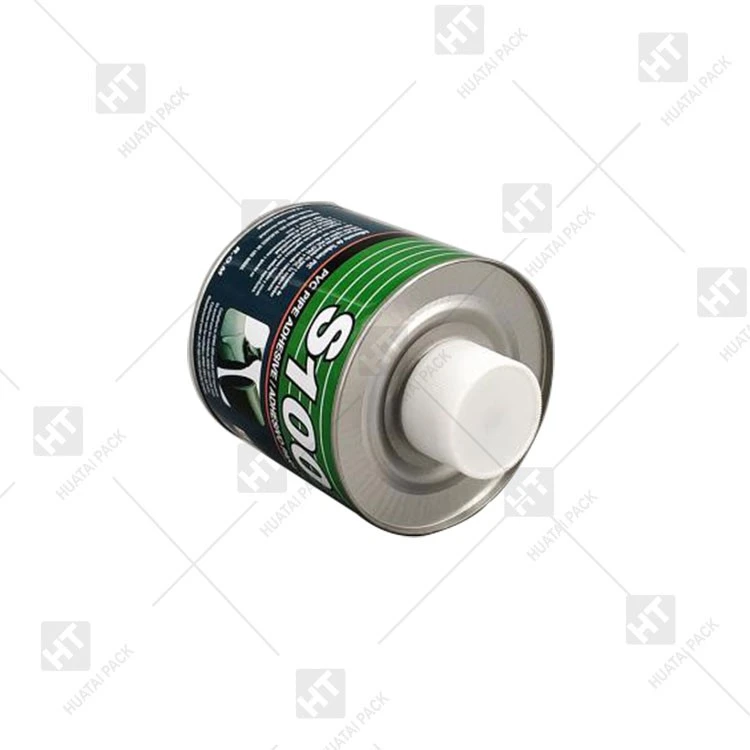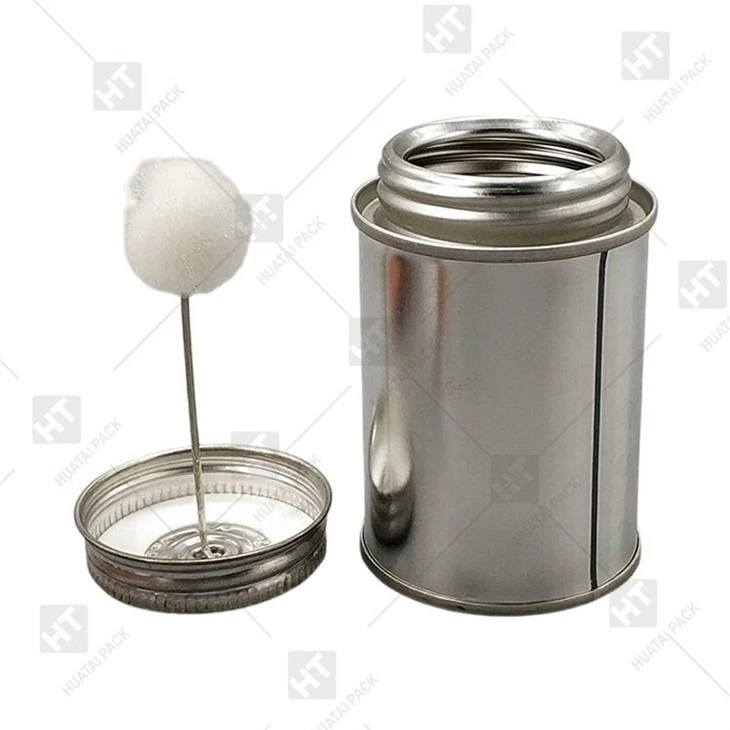

Does a 16oz glue can require a primer?
May 21, 2026
Hey there! As a supplier of 16oz glue cans, I often get asked this question: Does a 16oz glue can require a primer? Well, let's dive right into it and break it down.
First off, what's a primer? A primer is like a prep - work substance. It's applied to a surface before the glue to improve the adhesion between the glue and the surface. Think of it as a bridge that helps the glue stick better.
Now, whether a 16oz glue can requires a primer depends on a few factors.
Surface type
The type of surface you're gluing is a huge factor. If you're working with a porous surface like wood or concrete, a primer might be a good idea. Porous surfaces have tiny holes and gaps. These can absorb the glue, making it less effective. A primer fills in those gaps, creating a smooth and even surface for the glue to bond to.
For example, if you're using our 16oz glue to stick two pieces of rough - cut wood together, applying a primer first can make the bond much stronger. The primer seals the wood's pores, so the glue can form a solid connection.
On the other hand, if you're gluing non - porous surfaces like metal or glass, a primer might not always be necessary. Non - porous surfaces are smooth and don't absorb the glue. Our 16oz glue can often bond well directly to these surfaces. However, in some cases, especially if you want an extra - strong bond or if the surface has been contaminated, a primer can still be beneficial.
Glue type
The type of glue in the 16oz can also plays a role. Some glues are formulated to bond well without a primer. For instance, certain epoxy glues are designed to have excellent adhesion on their own. They can form strong bonds with a variety of surfaces without the need for a primer.
But other glues, like some latex - based ones, might benefit from a primer. Latex glues can sometimes have trouble sticking to certain surfaces, and a primer can help improve the bond.
Environmental conditions
The environment where the gluing takes place can affect whether a primer is needed. In high - humidity areas, for example, the moisture in the air can impact the glue's adhesion. A primer can act as a barrier, protecting the glue from the moisture and ensuring a strong bond.
If you're working in a cold environment, the glue might take longer to set. A primer can help speed up the bonding process and make the bond more reliable.
Now, let's talk about our 16oz glue cans. We've designed them to be versatile. They work well on a wide range of surfaces, and in many cases, you can use them without a primer. But we also understand that sometimes you might want that extra - strong bond. That's why we offer different types of glue in our 16oz cans, and we can provide advice on whether a primer is right for your specific project.
If you're in the market for other sizes of glue cans, we've got you covered. Check out our 4oz Glue Can for smaller projects. It's perfect for those quick, little jobs. And if you need a larger quantity, our 32oz Pvc Can With Cap and 32oz Glue Can are great options.
So, to sum it up, a 16oz glue can doesn't always require a primer. It depends on the surface, the type of glue, and the environmental conditions. But if you're unsure, it's always a good idea to test a small area first.
If you're interested in our products, we'd love to have a chat with you. Whether you're a DIY enthusiast or a professional contractor, we can help you find the right glue for your needs. Let's get your project off to a great start!