

Do quart tin cans have a shelf life?
Jun 19, 2025
As a supplier of quart tin cans, I often encounter questions from customers regarding the shelf life of these products. This topic is not only crucial for consumers who rely on the integrity of the cans to preserve their contents but also for businesses like ours that are committed to providing high - quality and long - lasting packaging solutions. In this blog, I will delve into the factors that influence the shelf life of quart tin cans, how to maximize it, and the implications for various industries.
What are Quart Tin Cans?
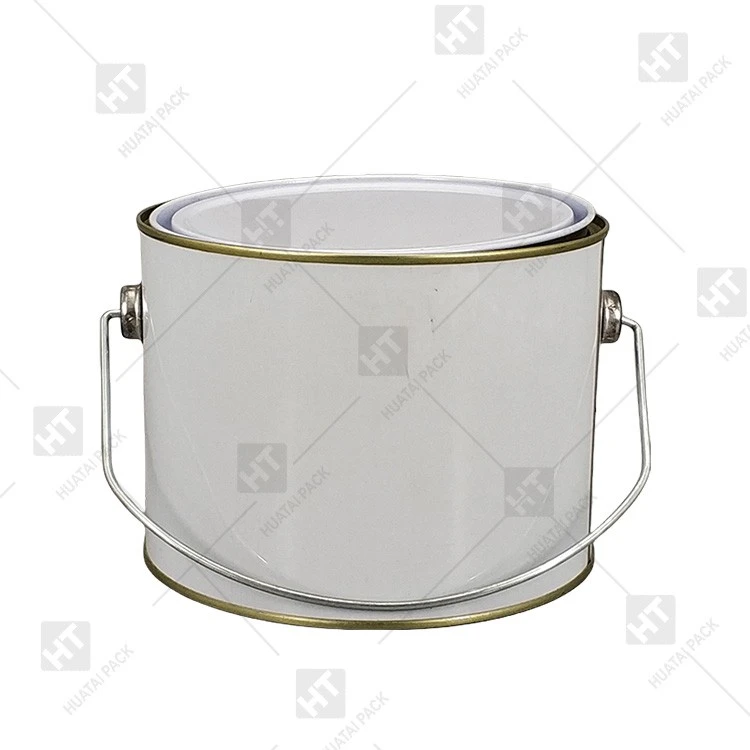
Quart tin cans are a popular type of packaging with a capacity of approximately one quart, which is equivalent to about 0.95 liters. These cans are widely used in numerous industries, including food, paint, and chemicals. They come in various shapes and sizes, but the most common are round ones. You can find a wide selection of Round Open Lid Tin Cans, Round Paint Cans, and Round Metal Tin Paint Cans on our website.
Factors Affecting the Shelf Life of Quart Tin Cans
1. Material Quality
The quality of the tinplate used in manufacturing the cans is a primary determinant of their shelf life. High - grade tinplate has a better resistance to corrosion and physical damage. Tinplate is essentially steel coated with a thin layer of tin. The thickness and uniformity of the tin coating play a significant role. A thicker and more consistent tin coating provides better protection against rust and oxidation, which can compromise the integrity of the can over time.
2. Storage Conditions
The environment in which the quart tin cans are stored has a profound impact on their shelf life. Temperature and humidity are two critical factors. Cans stored in high - humidity environments are more likely to develop rust, especially if the tin coating is damaged. Similarly, extreme temperatures can cause the metal to expand and contract, potentially leading to leaks or weakening of the seams. Ideally, quart tin cans should be stored in a cool, dry place with a stable temperature and low humidity.
3. Content Compatibility
The nature of the product stored inside the can also affects its shelf life. Some substances are more corrosive than others. For example, acidic foods or chemicals can react with the tinplate, causing the tin coating to dissolve and the steel beneath to rust. In contrast, non - corrosive products like dry goods or certain paints may have a longer shelf life in quart tin cans. It is essential to choose the appropriate can lining for different contents. Some cans are lined with a special epoxy or phenolic resin to prevent chemical reactions between the product and the metal.
4. Manufacturing Process
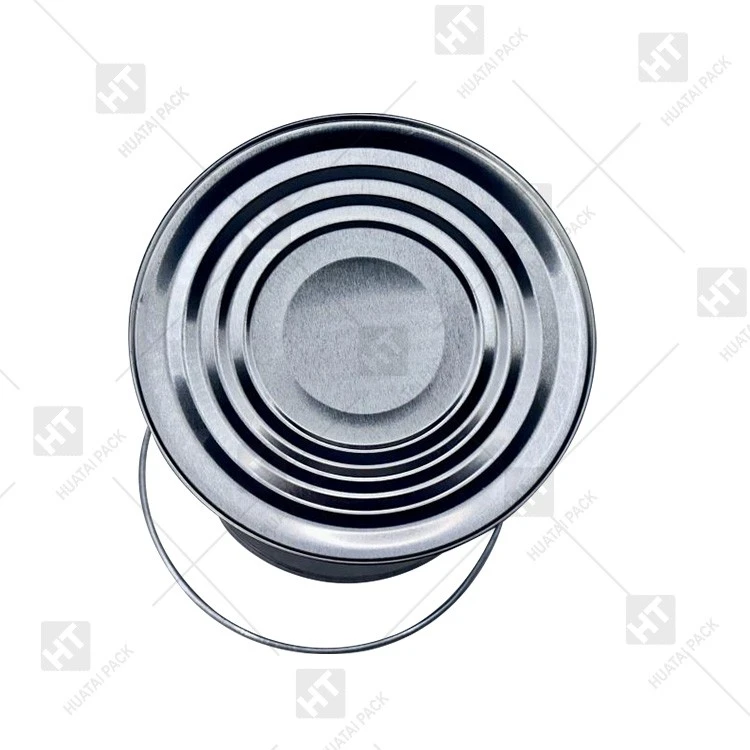
The manufacturing process of the quart tin cans can impact their durability. Proper sealing is crucial to prevent the entry of air and moisture, which can lead to spoilage of the contents and corrosion of the can. Cans with well - formed seams and tight - fitting lids are less likely to experience leakage or contamination. Additionally, the method of forming the can, such as the use of advanced stamping and welding techniques, can contribute to its overall strength and longevity.
Estimating the Shelf Life of Quart Tin Cans
While it is challenging to provide an exact shelf life for quart tin cans, under optimal storage conditions, a well - made can with a high - quality tinplate and proper lining can last for several years. For food products, the shelf life may be determined by the expiration date of the food itself, but the can should remain intact throughout that period. In the case of paints and chemicals, the can should maintain its integrity for as long as the product inside remains usable.
Maximizing the Shelf Life of Quart Tin Cans
1. Proper Storage
As mentioned earlier, storing the cans in a cool, dry place is essential. This can be achieved by using climate - controlled storage facilities or warehouses. If storing the cans outdoors, they should be protected from direct sunlight, rain, and snow.
2. Regular Inspection
Regularly inspecting the cans for signs of damage, such as dents, scratches, or rust, is a good practice. Damaged cans should be removed from the inventory to prevent potential leakage or contamination of other cans.
3. Correct Lining Selection
When filling the cans with different products, ensure that the appropriate lining is used. This may require consulting with the can manufacturer to determine the best lining for a specific application.
Implications for Different Industries
1. Food Industry
In the food industry, the shelf life of quart tin cans is directly related to food safety. A can that fails due to corrosion or damage can lead to spoilage of the food and pose a health risk to consumers. Therefore, food manufacturers need to ensure that the cans they use meet strict quality standards and have a sufficient shelf life to match the expiration date of the food products.
2. Paint and Chemical Industry
For the paint and chemical industry, the integrity of the quart tin cans is crucial to prevent leakage of potentially hazardous substances. A can that leaks paint or chemicals can cause environmental damage and safety hazards. Additionally, the can should maintain its shape and seal to ensure the proper storage and application of the product.
Contact Us for Procurement
If you are interested in purchasing high - quality quart tin cans for your business, we are here to assist you. Our team of experts can provide you with detailed information about our products, including the different types of cans available, their specifications, and the best storage and handling practices. We are committed to providing you with the best packaging solutions that meet your specific needs. Please feel free to contact us for procurement discussions.
References
- ASTM International. (Year). Standard Specifications for Tin Mill Products.
- Packaging Machinery Manufacturers Institute. (Year). Best Practices for Packaging with Tin Cans.
- Metal Packaging Manufacturers Association. (Year). Guidelines for Storage and Handling of Metal Cans.