

Do pint paint cans contain harmful chemicals?
Sep 23, 2025
As a supplier of pint paint cans, I often get asked about the safety of the chemicals they contain. It's a valid concern, as paint is used in many aspects of our daily lives, from home renovations to industrial applications. In this blog post, I'll delve into the topic of whether pint paint cans contain harmful chemicals, exploring the types of chemicals commonly found in paint, their potential risks, and the steps we take to ensure the safety of our products.
Common Chemicals in Pint Paint Cans
Pint paint cans can contain a variety of chemicals, each serving a specific purpose in the paint formulation. Some of the most common chemicals found in paint include:
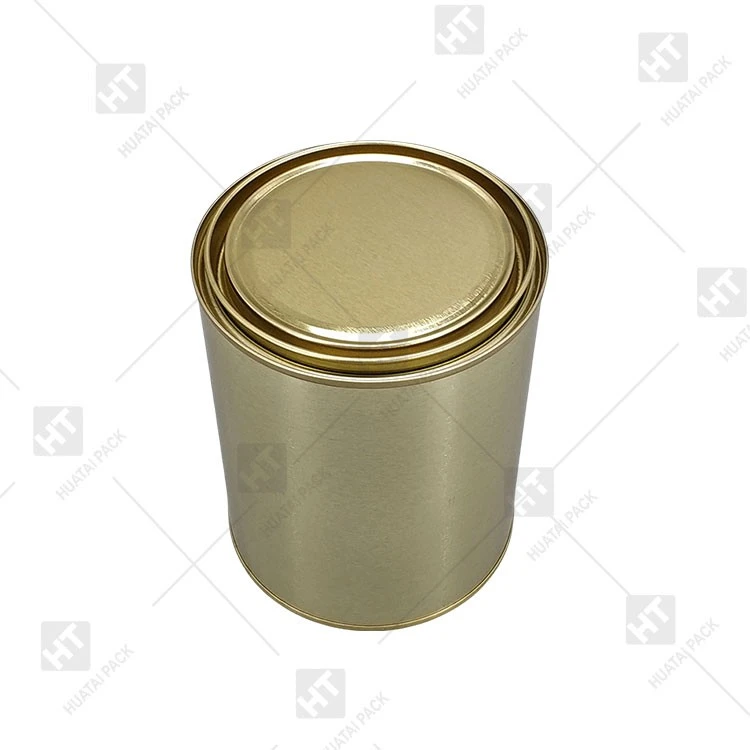
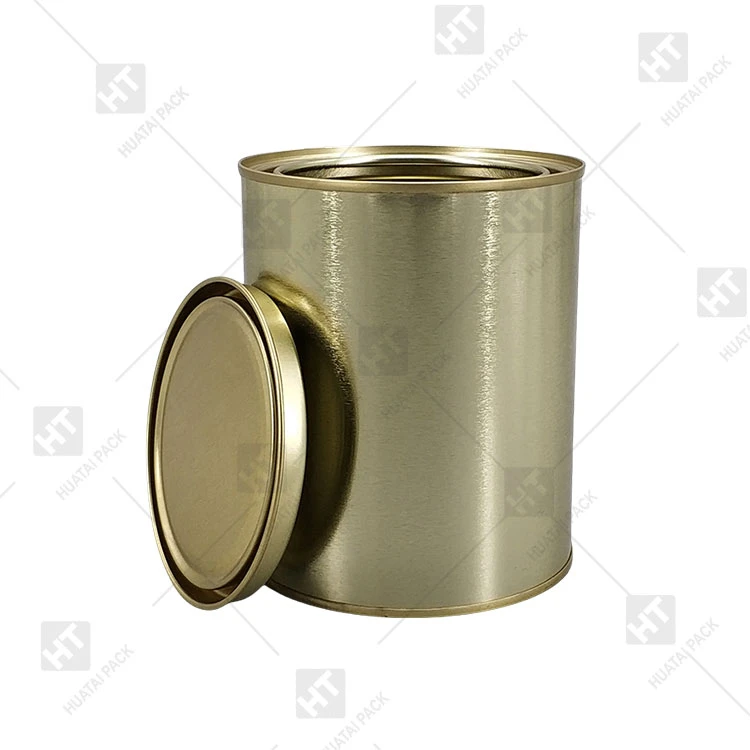
- Volatile Organic Compounds (VOCs): VOCs are organic chemicals that easily evaporate at room temperature. They are used in paint to dissolve the resin and pigments, making the paint easier to apply and dry. However, many VOCs are known to be harmful to human health and the environment. Exposure to high levels of VOCs can cause a range of health problems, including headaches, dizziness, nausea, and irritation of the eyes, nose, and throat. Long-term exposure to VOCs has also been linked to more serious health issues, such as respiratory problems, liver and kidney damage, and even cancer.
- Heavy Metals: Some paints may contain heavy metals, such as lead, mercury, and cadmium. These metals are used in paint to provide color, durability, and corrosion resistance. However, heavy metals are toxic and can accumulate in the body over time, causing a range of health problems, including neurological damage, developmental delays in children, and kidney and liver damage.
- Formaldehyde: Formaldehyde is a colorless, strong-smelling gas that is used in some paints as a preservative and to improve adhesion. Exposure to formaldehyde can cause irritation of the eyes, nose, and throat, as well as respiratory problems, headaches, and skin rashes. Long-term exposure to formaldehyde has also been linked to an increased risk of cancer.
- Biocides: Biocides are chemicals used in paint to prevent the growth of mold, mildew, and bacteria. While biocides can help to keep paint looking fresh and clean, some types of biocides can be harmful to human health and the environment. For example, some biocides contain heavy metals or other toxic chemicals that can leach into the environment and contaminate soil and water.
Potential Risks of Harmful Chemicals in Paint
The potential risks of harmful chemicals in paint depend on a variety of factors, including the type and amount of chemicals present, the duration and intensity of exposure, and the individual's age, health status, and sensitivity to the chemicals. Some of the potential risks associated with exposure to harmful chemicals in paint include:
- Health Problems: As mentioned earlier, exposure to harmful chemicals in paint can cause a range of health problems, including respiratory problems, neurological damage, developmental delays in children, and cancer. These health problems can be particularly serious for vulnerable populations, such as children, the elderly, and people with pre-existing health conditions.
- Environmental Impact: Harmful chemicals in paint can also have a negative impact on the environment. When paint is applied, the chemicals can be released into the air, water, and soil, where they can contaminate the environment and harm wildlife. In addition, the disposal of paint cans and other paint-related waste can also contribute to environmental pollution.
- Regulatory Compliance: In many countries, there are strict regulations governing the use and disposal of paint and other chemical products. Failure to comply with these regulations can result in fines, legal liability, and damage to a company's reputation.
Steps We Take to Ensure the Safety of Our Pint Paint Cans
As a responsible supplier of pint paint cans, we take several steps to ensure the safety of our products and minimize the potential risks associated with harmful chemicals. Some of the steps we take include:
- Using Low-VOC and Zero-VOC Paints: We offer a range of low-VOC and zero-VOC paints that contain significantly lower levels of VOCs than traditional paints. These paints are formulated using advanced technologies and materials that reduce the amount of harmful chemicals released into the air during application and drying.
- Testing and Certification: We test all of our paint products to ensure that they meet or exceed the relevant safety standards and regulations. Our products are certified by independent third-party organizations, such as the Green Seal and the Forest Stewardship Council (FSC), which verify that our paints are environmentally friendly and safe for use.
- Providing Safety Information: We provide detailed safety information and instructions for use with all of our paint products. This information includes warnings about the potential risks associated with the chemicals in the paint, as well as instructions on how to use the paint safely and properly.
- Proper Disposal: We encourage our customers to dispose of paint cans and other paint-related waste properly. We provide information on how to recycle paint cans and other materials, as well as how to dispose of paint and other hazardous waste safely and legally.
Conclusion
In conclusion, while pint paint cans can contain harmful chemicals, the potential risks associated with these chemicals can be minimized by using low-VOC and zero-VOC paints, following proper safety procedures, and disposing of paint and other paint-related waste properly. As a supplier of pint paint cans, we are committed to providing our customers with safe, high-quality products that meet or exceed the relevant safety standards and regulations. If you have any questions or concerns about the safety of our paint products, please don't hesitate to contact us. We would be happy to provide you with more information and answer any questions you may have.
If you're interested in purchasing our pint paint cans or other paint products, please visit our website to view our full range of products. We offer a variety of sizes and styles of paint cans, including 1 Liter Round Tin Cans, 1gallon Paint Can, and Gallon Round Tin Can. Our products are available at competitive prices, and we offer fast and reliable shipping to customers worldwide.
We also offer custom printing and labeling services for our paint cans, allowing you to add your own logo, brand name, or other information to the cans. This is a great way to promote your brand and make your products stand out from the competition.
If you have any questions or would like to discuss your paint can requirements in more detail, please contact us today. Our team of experts is here to help you find the right paint cans for your needs and provide you with the best possible service.
References
- American Chemistry Council. (n.d.). Paint and Coatings. Retrieved from https://www.americanchemistry.com/Products-and-Services/Paint-and-Coatings
- Environmental Protection Agency. (n.d.). Paint and Coatings. Retrieved from https://www.epa.gov/p2/paint-and-coatings
- National Institute for Occupational Safety and Health. (n.d.). Chemical Hazards in the Workplace. Retrieved from https://www.cdc.gov/niosh/topics/chemicalhazards/