

Can tight head pails be used for storing adhesives?
Oct 21, 2025
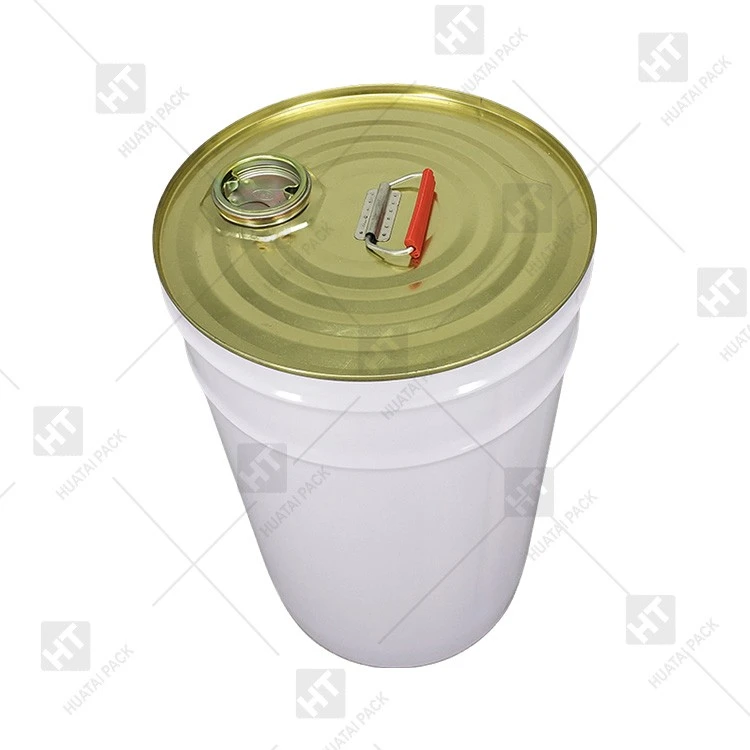
Tight head pails, also known as closed - top pails, are a common type of container used in various industries. As a tight head pails supplier, I often receive inquiries about the suitability of these pails for storing different substances, especially adhesives. In this blog post, I will delve into the question of whether tight head pails can be used for storing adhesives, exploring the factors that need to be considered.
Compatibility of Tight Head Pails with Adhesives
The first and most crucial factor to consider when using tight head pails for storing adhesives is the compatibility between the pail material and the adhesive. Adhesives come in a wide range of chemical compositions, including epoxy, polyurethane, acrylic, and silicone - based adhesives. Each type of adhesive has its own set of chemical properties, such as pH, reactivity, and solubility.
Metal Tight Head Pails
Metal tight head pails, like Metal Drum For Engine Oil, are a popular choice due to their strength and durability. However, different metals react differently with adhesives. For example, steel is generally resistant to many adhesives, but it can rust if exposed to moisture, which might contaminate the adhesive. Aluminum is lightweight and corrosion - resistant, but some strong adhesives might react with it over time, causing discoloration or degradation of the pail.
If the adhesive is acidic or contains solvents, it could potentially corrode the metal. In such cases, a pail with an appropriate lining should be used. A lined metal pail can provide a barrier between the adhesive and the metal, preventing chemical reactions. For instance, a polyethylene - lined steel pail can be used to store many types of adhesives safely.
Plastic Tight Head Pails
Plastic tight head pails are also commonly used. They are lightweight, cost - effective, and come in a variety of polymers such as high - density polyethylene (HDPE), polypropylene (PP), and polyvinyl chloride (PVC). HDPE is a popular choice for storing adhesives because it has good chemical resistance to many solvents and adhesives. It is also non - reactive with a wide range of substances, making it suitable for long - term storage.
However, some adhesives may contain strong solvents that can dissolve or swell certain types of plastics. For example, PVC can be attacked by some ketone - based solvents commonly found in adhesives. Therefore, it is essential to choose the right type of plastic pail based on the chemical composition of the adhesive.
Sealing and Leakage Prevention
Another important aspect when storing adhesives in tight head pails is the sealing mechanism. Adhesives are often viscous and can be messy if they leak. Tight head pails are designed to have a tight - fitting lid to prevent leakage.
The quality of the seal depends on several factors, including the design of the pail and lid, the material of the gasket, and the way the lid is fastened. A well - designed pail with a high - quality gasket can provide an air - tight and liquid - tight seal. For example, some tight head pails use a rubber gasket that compresses when the lid is tightened, creating a seal that prevents the adhesive from leaking out.
In addition, the pressure inside the pail can also affect the seal. Some adhesives may release gases during curing or storage, which can increase the internal pressure. If the pail is not designed to withstand this pressure, it may lead to a compromised seal and potential leakage. Therefore, it is important to choose a tight head pail that can handle the internal pressure generated by the adhesive.
Storage Conditions
The storage conditions of adhesives in tight head pails also play a significant role in their stability and performance. Adhesives are sensitive to temperature, humidity, and light.
Temperature
Most adhesives have a recommended storage temperature range. Extreme temperatures can affect the viscosity, curing properties, and shelf life of the adhesive. For example, if the temperature is too high, the adhesive may become too thin and lose its bonding strength. On the other hand, if the temperature is too low, the adhesive may thicken or even freeze, making it unusable.
Tight head pails can provide some insulation against temperature changes, but it is still important to store them in a controlled environment. For instance, storing the pails in a warehouse with a temperature - controlled system can help maintain the quality of the adhesive.
Humidity
Humidity can also have an impact on adhesives. Some adhesives are moisture - sensitive and can react with water vapor in the air. This can lead to premature curing, formation of bubbles, or a decrease in bonding strength. Tight head pails can help protect the adhesive from humidity to some extent, but it is advisable to store them in a dry environment.
Light
Exposure to light, especially ultraviolet (UV) light, can cause some adhesives to degrade. UV light can break down the chemical bonds in the adhesive, leading to a loss of performance. Tight head pails made of opaque materials can provide protection against UV light, preventing the adhesive from being damaged.
Regulatory Compliance
When using tight head pails for storing adhesives, it is important to comply with relevant regulations. Different countries and regions have specific regulations regarding the storage and transportation of hazardous materials, including adhesives.
Some adhesives may be classified as hazardous substances due to their chemical composition, such as the presence of flammable solvents or toxic chemicals. In such cases, the tight head pails must meet certain safety standards. For example, they may need to have a specific labeling indicating the contents and any associated hazards.
In addition, there may be regulations regarding the construction and design of the pails to ensure safe storage and handling. For instance, pails used for storing flammable adhesives may need to have a spark - resistant design.
Conclusion
In conclusion, tight head pails can be used for storing adhesives, but several factors need to be carefully considered. Compatibility between the pail material and the adhesive is crucial to prevent chemical reactions and degradation. The sealing mechanism of the pail is important to prevent leakage, and the storage conditions should be controlled to maintain the quality of the adhesive.
As a tight head pails supplier, we offer a wide range of Closed Metal Pail and 5gallon Metal Pail options that are suitable for storing different types of adhesives. Our pails are designed with high - quality materials and reliable sealing mechanisms to ensure the safe and long - term storage of adhesives.
If you are in the market for tight head pails for storing adhesives, we would be more than happy to assist you. Contact us to discuss your specific requirements and let us help you find the best solution for your adhesive storage needs.

References
- "Handbook of Adhesive Technology" by Skeist, Irving.
- "Packaging Materials and Their Properties" by Robertson, Giles L.