

Can the glue in an 8oz can be used underwater?
Nov 25, 2025
Can the glue in an 8oz can be used underwater?
As a supplier of 8oz glue cans, I often get asked a wide range of questions from customers. One of the most interesting and frequently posed queries is whether the glue in our 8oz cans can be used underwater. This is a question that delves into the technical and practical aspects of our product, and today, I'm going to explore it in detail.
Understanding the Basics of Glue and Water
Before we dive into the specific question, it's essential to understand some fundamental concepts about glue and water. Glue works by creating a bond between two surfaces. This bond is formed through various mechanisms, such as adhesion (the attraction between the glue and the surface) and cohesion (the internal strength of the glue itself).
Water, on the other hand, can have a significant impact on this bonding process. It can act as a barrier between the glue and the surface, preventing proper adhesion. Additionally, water can cause some types of glue to break down or lose their bonding strength over time.
Types of Glue in Our 8oz Cans
Our 8oz glue cans come with different formulations, each designed for specific applications. Some of the common types of glue we offer include epoxy, cyanoacrylate (super glue), and polyurethane.
Epoxy glue is known for its strong bonding strength and resistance to water. It consists of two components that need to be mixed together before use. Once cured, epoxy forms a hard, durable bond that can withstand exposure to water. This makes it a suitable option for underwater applications, such as repairing boats, aquariums, or plumbing fixtures.
Cyanoacrylate glue, or super glue, is a fast - acting adhesive that forms an instant bond. However, it is generally not recommended for long - term underwater use. Water can interfere with the curing process of super glue, and over time, the bond may weaken due to the presence of moisture.
Polyurethane glue is another option. It is flexible, waterproof, and has good bonding properties. It expands as it cures, filling gaps and creating a strong seal. Polyurethane glue can be used underwater, especially for applications where a flexible bond is required, such as sealing joints in a wet environment.
Factors Affecting the Use of Glue Underwater
Several factors need to be considered when determining whether the glue in our 8oz cans can be used underwater.
- Surface Preparation: Proper surface preparation is crucial for any gluing application, especially underwater. The surfaces to be bonded must be clean, dry, and free of debris. If the surfaces are wet or contaminated, the glue may not adhere properly. In underwater applications, it may be necessary to use specialized cleaning agents or techniques to ensure the surfaces are suitable for bonding.
- Water Conditions: The type of water (freshwater, saltwater), temperature, and flow rate can all affect the performance of the glue. Saltwater is more corrosive than freshwater and can potentially damage the glue over time. Cold water can slow down the curing process of some glues, while fast - flowing water can make it difficult to apply the glue evenly.
- Curing Time: Different glues have different curing times. Underwater, the curing process may be slower due to the lower temperature and the presence of water. It's important to allow sufficient time for the glue to cure before subjecting the bonded surfaces to stress or movement.
Real - World Applications and Case Studies
To illustrate the practical use of our 8oz glue cans underwater, let's look at some real - world applications.
In the boating industry, epoxy glue from our 8oz cans is often used to repair cracks in the hull. The strong bonding strength and water resistance of epoxy make it an ideal choice for this application. For example, a boat owner noticed a small crack in the hull of his sailboat. He used our epoxy glue to repair the crack underwater. After allowing the glue to cure for the recommended time, the crack was effectively sealed, and the boat was back in the water without any further issues.
In the aquarium hobby, our polyurethane glue is used to seal joints and repair leaks. Aquarium owners need a glue that is non - toxic and can withstand constant exposure to water. Polyurethane glue provides a flexible and waterproof seal, ensuring the safety and integrity of the aquarium.
Our Product Range and Complementary Options
In addition to our 8oz glue cans, we also offer a range of other products that may be of interest to our customers. For those who need a larger quantity of glue, we have the 32oz Pvc Can With Cap. This larger can is suitable for more extensive projects, such as large - scale boat repairs or industrial applications.
If you only need a small amount of glue, our 4oz Pvc Can With Cap is a convenient option. It's perfect for small - scale repairs or for testing different glue formulations. And for those looking for a variety of options, our Pvc Can range offers different sizes and types of glue to meet your specific needs.
Conclusion and Call to Action
In conclusion, whether the glue in our 8oz cans can be used underwater depends on the type of glue, surface preparation, water conditions, and curing time. Epoxy and polyurethane glues in our 8oz cans are generally suitable for underwater applications, while cyanoacrylate glue may not be the best choice for long - term underwater use.
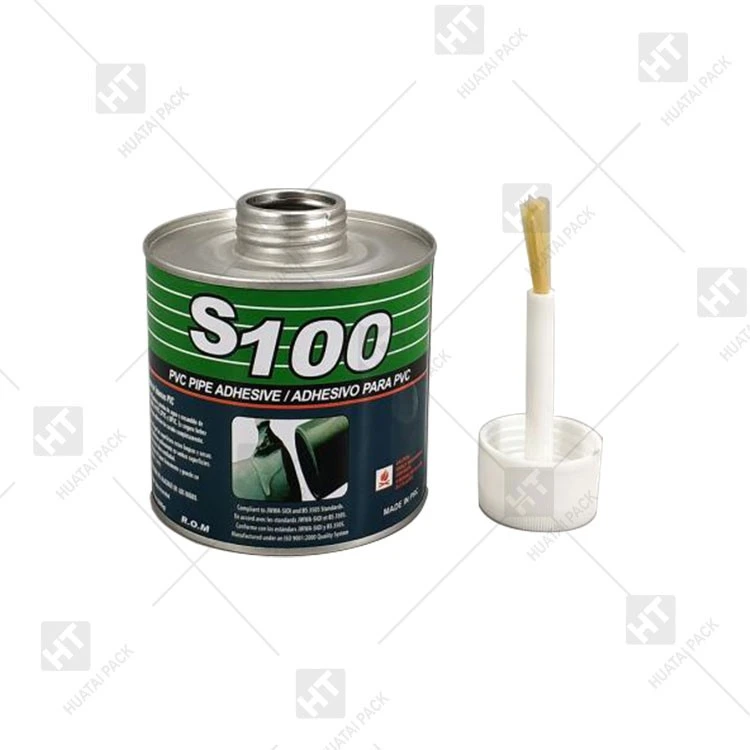
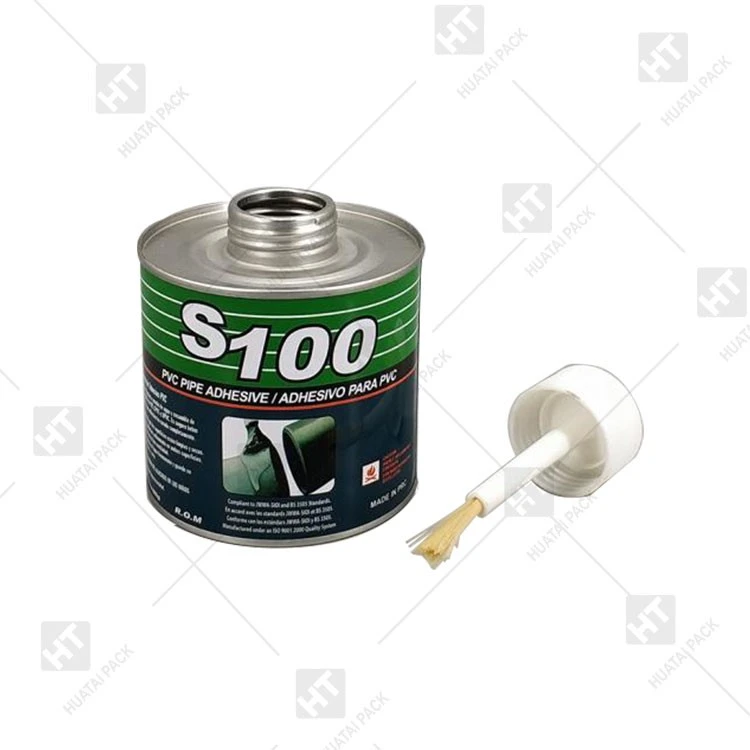
If you're interested in purchasing our 8oz glue cans or exploring our other product options, we encourage you to reach out to us for a detailed discussion about your specific requirements. Our team of experts is ready to assist you in finding the right glue for your underwater projects. Contact us today to start the procurement process and discover how our high - quality glue products can meet your needs.
References
- "Adhesives and Sealants Handbook" by Andrew T. DiBenedetto
- "Underwater Bonding Techniques" - Journal of Marine Engineering
- Product data sheets for our 8oz glue cans