

Can olive oil be used in stir - frying?
Sep 29, 2025
Can olive oil be used in stir - frying? This is a question that has intrigued many home cooks and professional chefs alike. As an olive oil supplier, I've encountered this query numerous times, and today, I'm excited to delve deep into this topic and provide you with a comprehensive answer.
Understanding Olive Oil
Olive oil is derived from the fruit of the olive tree, Olea europaea. It has been a staple in the Mediterranean diet for centuries, renowned for its health benefits and rich flavor. There are different grades of olive oil, including extra - virgin, virgin, refined, and light olive oil.
Extra - virgin olive oil is the highest quality and is obtained through mechanical means without the use of heat or chemicals. It retains a high amount of antioxidants and polyphenols, which are associated with numerous health benefits, such as reducing the risk of heart disease and inflammation. Virgin olive oil is also of good quality but has slightly higher acidity levels compared to extra - virgin.
Refined olive oil is produced by refining virgin olive oil to remove impurities and neutralize off - flavors. It has a higher smoke point than extra - virgin and virgin olive oils, making it more suitable for certain cooking methods. Light olive oil, despite its name, does not refer to the calorie content but rather the flavor and color. It is a highly refined oil with a very mild taste and a relatively high smoke point.
Smoke Point and Stir - Frying
The smoke point of an oil is the temperature at which it starts to break down, produce smoke, and release free radicals. When an oil reaches its smoke point, it can develop a bitter taste and lose its nutritional value. Stir - frying typically involves high - heat cooking, where the pan is heated to a high temperature and the ingredients are quickly cooked in a small amount of oil.
Extra - virgin olive oil has a smoke point ranging from 320°F to 375°F (160°C to 190°C), which is relatively low compared to some other oils used for high - heat cooking, such as canola oil (400°F to 450°F or 204°C to 232°C) or peanut oil (450°F or 232°C). This has led some to believe that it is not suitable for stir - frying. However, virgin olive oil has a slightly higher smoke point, usually around 375°F to 410°F (190°C to 210°C), and refined olive oil can have a smoke point of up to 465°F (240°C).
So, can olive oil be used in stir - frying? The answer is yes, but it depends on the type of olive oil you choose. Extra - virgin olive oil can be used for stir - frying at lower temperatures or for shorter periods. For example, if you're stir - frying vegetables that don't require a very high heat or for a quick sauté, extra - virgin olive oil can add a wonderful flavor to your dish. Its rich, fruity taste can enhance the natural flavors of the ingredients.
If you're looking to do a more intense stir - fry with high heat and longer cooking times, refined olive oil or light olive oil would be a better choice. Their higher smoke points allow them to withstand the high temperatures without breaking down and developing an unpleasant taste.

Health Benefits of Using Olive Oil in Stir - Frying
Using olive oil in stir - frying not only adds flavor but also brings a host of health benefits. Olive oil is rich in monounsaturated fats, which are considered heart - healthy fats. These fats can help lower bad cholesterol (LDL) levels and increase good cholesterol (HDL) levels, reducing the risk of heart disease.
The antioxidants and polyphenols in olive oil also have anti - inflammatory properties. They can help protect the body against oxidative stress and reduce the risk of chronic diseases such as cancer, diabetes, and Alzheimer's disease. Even when used in stir - frying, some of these beneficial compounds are retained in the oil and transferred to the food.
Practical Tips for Stir - Frying with Olive Oil
- Choose the right type of olive oil: As mentioned earlier, for low - heat or quick stir - frying, extra - virgin olive oil is a great option. For high - heat and longer cooking times, opt for refined or light olive oil.
- Pre - heat the pan properly: Before adding the olive oil, pre - heat the pan over medium - high heat. This helps to prevent the oil from burning and ensures even cooking.
- Control the heat: Keep the heat at a moderate level to avoid reaching the smoke point of the oil. If you see the oil starting to smoke, reduce the heat immediately.
- Use the right amount of oil: You don't need a large amount of olive oil for stir - frying. A thin layer of oil is usually sufficient to coat the pan and cook the ingredients.
Packaging Options for Olive Oil
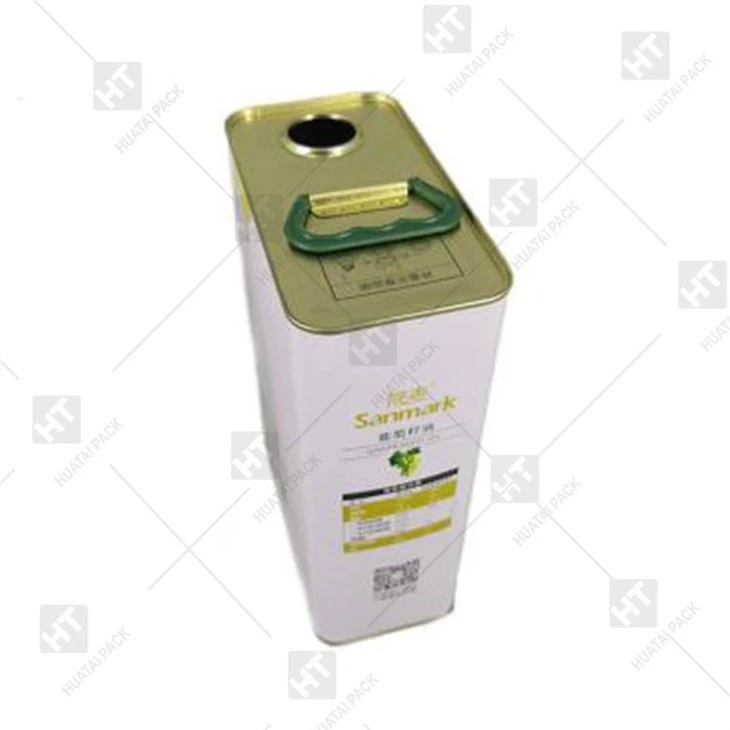
At our company, we understand the importance of proper packaging for olive oil. We offer a variety of packaging solutions to meet your needs. For those looking for a large - scale option, our 5L Empty Olive Oil Square Tin Can is a great choice. It provides ample storage space and protects the olive oil from light and air, which can cause oxidation.
Our Square Tin Can For Olive Oil is also a popular option. It comes in different sizes and has a sleek design that is both practical and aesthetically pleasing. And for those who prefer a smaller quantity, our 3L Olive Oil Can is perfect for home use.
Conclusion
In conclusion, olive oil can definitely be used in stir - frying. Whether you're a health - conscious home cook or a professional chef, there is an olive oil option that suits your stir - frying needs. By choosing the right type of olive oil, controlling the heat, and following some practical tips, you can enjoy delicious and healthy stir - fried dishes with the rich flavor of olive oil.
If you're interested in purchasing high - quality olive oil or our packaging solutions, we invite you to contact us for a procurement discussion. We're committed to providing you with the best products and services to meet your culinary needs.
References
- American Heart Association. (2023). Dietary Fats and Cardiovascular Disease.
- International Olive Council. (2023). Health Benefits of Olive Oil.
- Harvard T.H. Chan School of Public Health. (2023). Fats and Cholesterol: Out with the Bad, In with the Good.