

Can I use an engine oil can for electric vehicle lubricants?
Aug 18, 2025
Can I use an engine oil can for electric vehicle lubricants?
As a long - time engine oil can supplier, I've witnessed numerous shifts in the automotive industry. With the rapid rise of electric vehicles (EVs), a question that often comes up is whether engine oil cans can be used for electric vehicle lubricants. In this blog, we'll explore this topic in depth, taking into account the characteristics of both engine oil and electric vehicle lubricants, as well as the suitability of engine oil cans for storing the latter.
The Difference between Engine Oil and Electric Vehicle Lubricants
Engine oil has been a staple in the automotive world for over a century. Its primary functions in traditional internal combustion engine (ICE) vehicles are to lubricate moving parts, reduce friction, prevent wear, and dissipate heat. Engine oil is formulated to withstand high temperatures and pressures generated by the combustion process. It contains additives to resist oxidation, detergents to keep the engine clean, and anti - wear agents to protect engine components.
On the other hand, electric vehicle lubricants serve different purposes. EVs don't have a traditional combustion engine, but they do have electric motors, gears, and bearings that require lubrication. Electric vehicle lubricants are designed to lubricate these components, reduce noise and vibration, and also have good electrical insulation properties. They need to be compatible with the materials used in electric vehicle drivetrains, such as copper windings in motors and various types of plastics and elastomers.
Compatibility of Engine Oil Cans with Electric Vehicle Lubricants
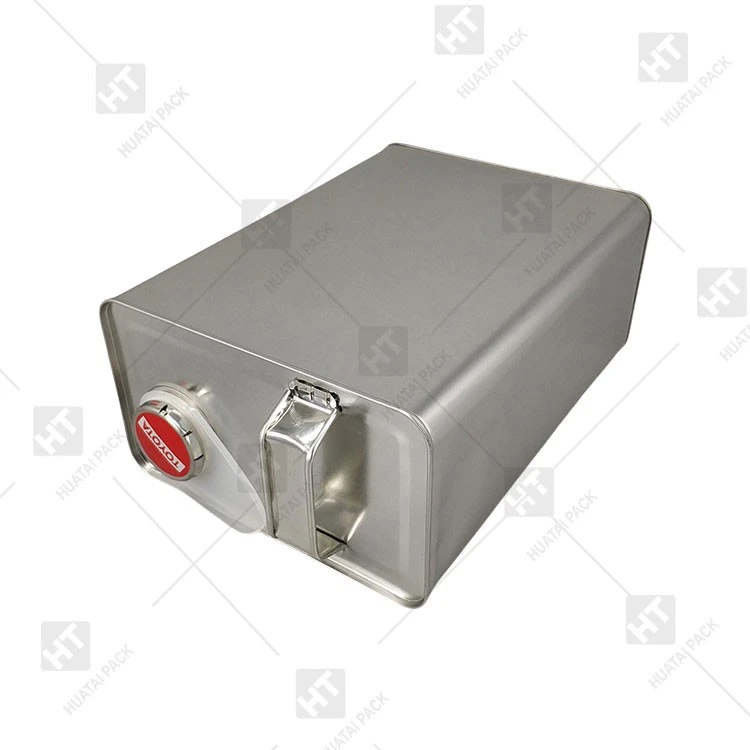
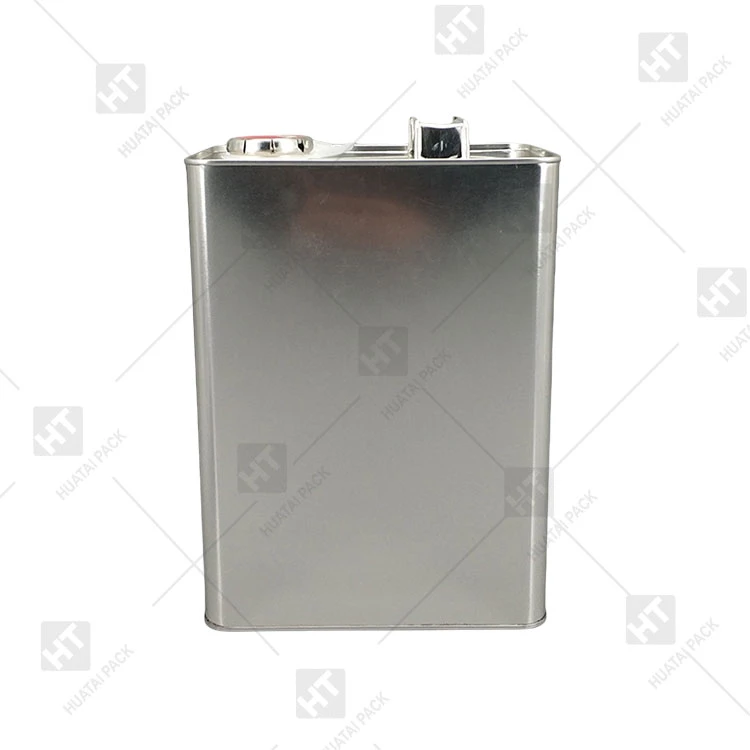
One of the first things to consider is the material of the engine oil can. Most engine oil cans are made of metal, typically tin - plated steel. This material is generally resistant to corrosion from engine oil. However, electric vehicle lubricants have different chemical compositions. Some may contain additives that could potentially react with the metal of the can over time, especially if the lubricant has a high water content or is formulated with certain aggressive additives.
Another aspect is the design of the engine oil can. Engine oil cans are designed with features that are suitable for engine oil, such as a spout for easy pouring. But electric vehicle lubricants may require different handling and dispensing methods. For example, some EV lubricants are used in smaller quantities and may need more precise dispensing. The shape and size of the engine oil can may not be the most practical for these applications.
However, if the engine oil can is properly coated and sealed, it can potentially be used for electric vehicle lubricants. A well - coated can will provide a barrier between the lubricant and the metal, preventing any chemical reactions. And a tight - fitting lid will keep the lubricant fresh and prevent contamination.
Advantages of Using Engine Oil Cans for Electric Vehicle Lubricants
There are some advantages to using engine oil cans for electric vehicle lubricants. Firstly, as an engine oil can supplier, we have a well - established production line for these cans. This means we can offer cost - effective solutions for packaging electric vehicle lubricants. The mass - production capabilities can lead to economies of scale, which can be passed on to the customers.
Secondly, engine oil cans are widely recognized in the automotive industry. Using them for electric vehicle lubricants can provide a sense of familiarity and trust for consumers. They are also relatively easy to transport and store, with a robust structure that can withstand normal handling during shipping and storage in warehouses or retail stores.
Disadvantages of Using Engine Oil Cans for Electric Vehicle Lubricants
As mentioned earlier, the chemical compatibility issue is a significant drawback. If the lubricant reacts with the can material, it can lead to corrosion, which not only affects the integrity of the can but also the quality of the lubricant. The lubricant may become contaminated, and its performance may be compromised.
The design of engine oil cans may also not meet all the requirements of electric vehicle lubricants. For example, electric vehicle lubricants may need to be stored in a way that minimizes exposure to air to prevent oxidation. Some engine oil cans may not have the best air - tightness features for this purpose.
Our Product Offerings
We offer a variety of engine oil cans that can potentially be used for electric vehicle lubricants. Our Rectangular Tin Cans are known for their durability and large storage capacity. They are made of high - quality tin - plated steel and have a smooth interior surface, which reduces the risk of contamination.
Our F Style Printed Metal Tin Can is another option. It has a unique design that allows for easy labeling and branding. The can is well - coated to provide protection against chemical reactions, and the printing on the can can be customized according to the customer's requirements.
For those who need a more specialized can, our F - Type Metal Can is a great choice. It is designed with features that enhance air - tightness and prevent leakage. The shape of the can also makes it easier to handle and dispense the lubricant.
Conclusion and Call to Action
In conclusion, while there are some challenges in using engine oil cans for electric vehicle lubricants, with proper design and material selection, it is possible. As an experienced engine oil can supplier, we are committed to providing high - quality packaging solutions for the emerging electric vehicle lubricant market.
If you are in the business of electric vehicle lubricants or are interested in exploring packaging options for your products, we would love to have a discussion with you. Our team of experts can help you choose the most suitable can for your lubricant, taking into account all the factors we've discussed in this blog. Contact us today to start the procurement negotiation process and find the perfect packaging solution for your electric vehicle lubricants.
References
- "Automotive Lubricants: Technology, Performance, and Economics" by George Totten and Steven R. Taylor.
- "Electric Vehicle Technology Explained" by David Crolla and John Heywood.