

Can I use a pint paint can on metal surfaces?
Oct 02, 2025
Can I use a pint paint can on metal surfaces?
As a supplier of pint paint cans, I often get asked whether these cans are suitable for use on metal surfaces. This is a crucial question for many, as the right combination of paint container and surface can make a significant difference in the painting process and the final outcome. In this blog, I'll delve into the details of using a pint paint can for metal surfaces, exploring the advantages, potential challenges, and best practices.
Advantages of Using a Pint Paint Can on Metal Surfaces
One of the primary advantages of using a pint paint can for metal surfaces is the convenience it offers. Pint paint cans are relatively small in size, making them easy to handle and transport. This is especially beneficial when working on small to medium - sized metal projects, such as painting metal furniture, small metal sculptures, or automotive parts. You can easily carry a pint paint can around the workspace without the need for large storage areas or heavy equipment.
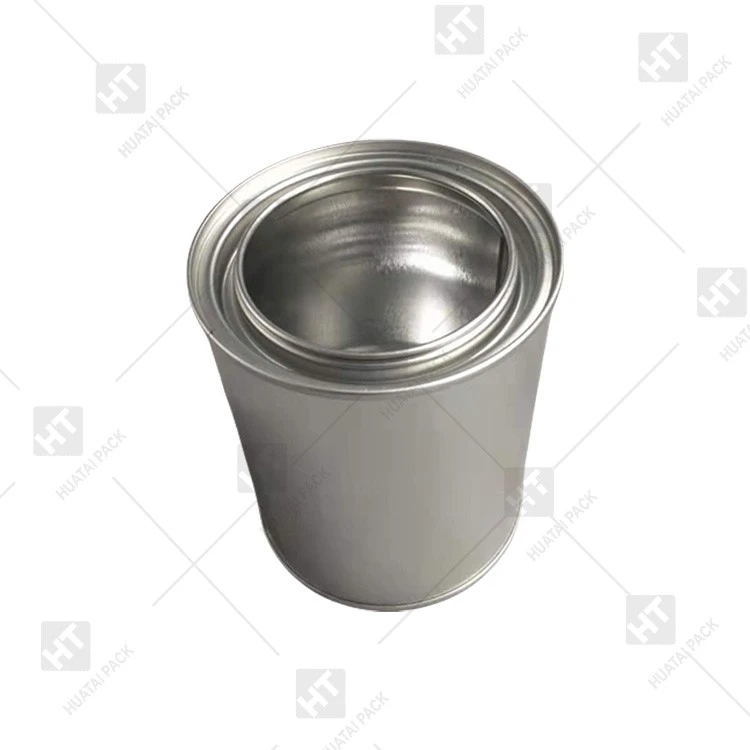
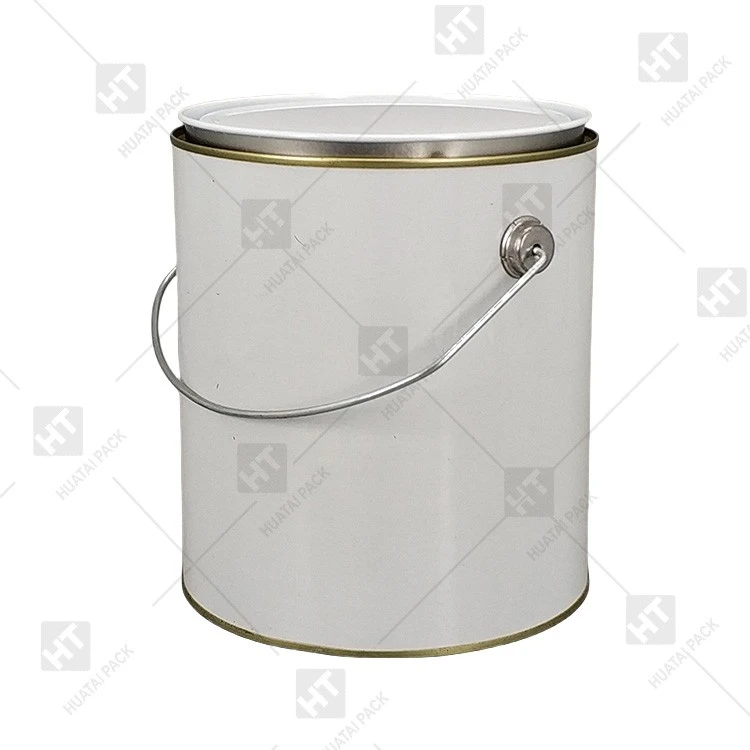
Another advantage is the variety of paint types that can be stored in a pint paint can. Whether you're using oil - based, water - based, or enamel paints, a pint paint can can accommodate them all. Different paint types have different properties that can be well - suited for metal surfaces. For example, enamel paints are known for their durability and resistance to chipping, making them a great choice for metal items that will be exposed to wear and tear.
The design of a pint paint can also plays a role in its suitability for metal surface painting. Most pint paint cans have a tight - fitting lid that helps to keep the paint fresh and prevent it from drying out. This is important because once paint starts to dry in the can, it can become clumpy and difficult to apply evenly on the metal surface. The can's metal construction also provides protection against external factors such as moisture and light, which can degrade the paint over time.
Potential Challenges
While there are many advantages, there are also some potential challenges when using a pint paint can on metal surfaces. One of the main challenges is the limited quantity of paint in a pint can. If you're working on a large metal surface, such as a metal fence or a large metal panel, you may find that you need to refill the can multiple times. This can be time - consuming and may lead to inconsistencies in the paint application, as different batches of paint may have slightly different colors or consistencies.
Another challenge is related to the cleaning of the paint can. After using the can, it's important to clean it properly to ensure that it can be reused. However, paint can dry quickly on the inside of the can, especially if it's left open for too long. Removing dried paint from a pint paint can can be a difficult task, and if not done correctly, it can affect the quality of the next batch of paint that will be stored in the can.
Best Practices
To ensure the best results when using a pint paint can on metal surfaces, there are several best practices that you should follow. First, it's essential to prepare the metal surface properly before painting. This involves cleaning the surface to remove any dirt, grease, or rust. You can use a wire brush or sandpaper to remove rust and smooth the surface. After cleaning, you may also want to apply a primer. A primer helps the paint adhere better to the metal surface and can improve the durability of the paint job.
When it comes to opening and using the pint paint can, make sure to do it in a well - ventilated area. Some paints, especially oil - based ones, can emit strong fumes that can be harmful if inhaled in large quantities. Stir the paint thoroughly before use to ensure that the color and consistency are uniform.
During the painting process, use a high - quality paintbrush or a spray gun, depending on the size and shape of the metal surface. If you're using a paintbrush, apply the paint in thin, even coats. This will help to prevent drips and ensure a smooth finish. Allow each coat to dry completely before applying the next one.
After you're done with the painting, clean the paint can immediately. You can use a suitable paint thinner or solvent to remove the paint from the inside of the can. Make sure to follow the safety instructions on the paint thinner or solvent.
Our Product Offerings
At our company, we offer a wide range of pint paint cans that are suitable for use on metal surfaces. We also have other related products such as Empty Round Tin Can, which can be used for various purposes, including storing paint or other small items. Our 4oz Candle Tins can also be used creatively in some metal - related projects. And for those who need a slightly larger container, our Small Round Metal Can For Paint 1L is a great option.
Conclusion
In conclusion, using a pint paint can on metal surfaces can be a great choice, especially for small to medium - sized projects. It offers convenience, can hold a variety of paint types, and has a design that helps to preserve the paint. However, it also comes with some challenges, such as limited quantity and cleaning difficulties. By following the best practices, you can achieve excellent results. If you're interested in our pint paint cans or any of our other products, we encourage you to contact us for more information and to discuss your procurement needs. We're here to provide you with the best solutions for your painting projects.
References
- "Painting Metal Surfaces: A Comprehensive Guide", DIY Painting Magazine, 2022
- "The Science of Paint and Its Application on Metal", Journal of Surface Coating Technology, 2021
- "Choosing the Right Paint Can for Your Project", Industrial Packaging Journal, 2020