

Can I use a drill to stir paint in a can?
Dec 15, 2025
Can I use a drill to stir paint in a can? That's a question I get asked a lot as a paint can supplier. And let me tell you, it's not as straightforward as you might think.
First off, let's talk about the idea of using a drill to stir paint. On the surface, it seems like a no - brainer. Drills are powerful, and they can spin at high speeds. So, why not use that power to mix up the paint in the can? Well, there are a few things to consider.
The Pros of Using a Drill to Stir Paint
One of the biggest advantages of using a drill is the speed. If you've ever tried to stir paint by hand, you know it can be a real pain in the neck. It takes forever, and it's hard work. With a drill, you can get the job done in a fraction of the time. The drill's high - speed rotation can quickly break up any clumps in the paint and ensure a more even consistency.
Another pro is the thoroughness. A drill can reach deeper into the can than a regular paint stirrer. This means that it can mix the paint at the bottom of the can, where sediment often settles. As a result, you'll get a more homogenous paint mixture, which will lead to a better finish when you apply it.
The Cons of Using a Drill to Stir Paint
However, there are also some downsides to using a drill for this task. One of the main issues is the risk of splashing. When a drill spins at high speeds, it can cause the paint to splash out of the can. This can be a real mess, especially if you're working indoors or in a confined space. You could end up getting paint on your clothes, furniture, or even the walls.
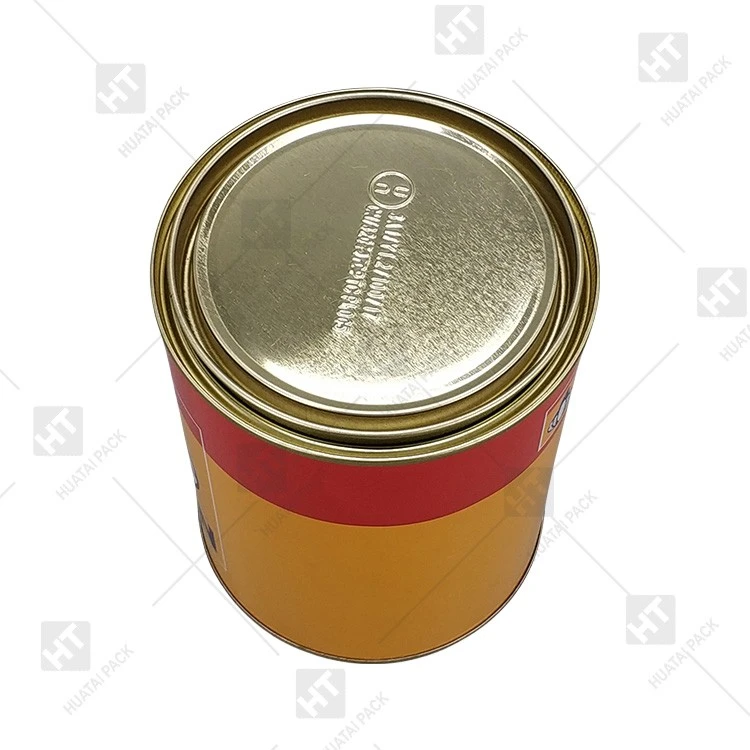

Another concern is the potential damage to the paint can. The drill bit or the stirring attachment might scratch the inside of the can. If you're using a Round Can For Paint, these scratches could weaken the can's structure over time, leading to leaks. Also, if the can is made of a thin material, the drill's force could even puncture the can, causing a big spill.
Compatibility of Drill and Paint
Not all drills are suitable for stirring paint. You need to make sure that your drill has the right speed and torque settings. A drill that's too powerful might over - mix the paint, causing it to become too thin or even create air bubbles. On the other hand, a drill that's too weak won't be able to break up the clumps effectively.
The type of paint also matters. Some paints, like oil - based paints, are thicker and more viscous than water - based paints. You'll need a more powerful drill to stir oil - based paints properly. If you try to use a drill that's not up to the task, you won't get a good mix, and the paint might not perform as expected when you apply it.
Safety Precautions
If you decide to use a drill to stir paint, there are some safety precautions you should take. First, wear protective gear, such as goggles and gloves. This will protect your eyes and hands from any splashing paint. Second, make sure the drill is properly secured to the stirring attachment. A loose attachment could come off during operation, which is not only dangerous but could also cause a big mess.
It's also a good idea to work in a well - ventilated area. Stirring paint can release fumes, especially if it's an oil - based paint. Inhaling these fumes can be harmful to your health, so make sure there's plenty of fresh air circulating.
Our Paint Cans and the Stirring Process
As a paint can supplier, we offer a variety of options, including Empty Round Tin Can and Chemical Paint Tin Can. Our cans are designed to be sturdy and durable, but even so, you need to be careful when using a drill to stir the paint inside them.
Our round cans are made with a smooth interior to minimize the risk of scratching. However, we still recommend using a soft - tipped stirring attachment to further reduce the chance of damage. If you're using our chemical paint tin cans, which are designed to hold more volatile paints, it's even more important to follow the safety guidelines when using a drill for stirring.
When to Avoid Using a Drill
There are certain situations where you should avoid using a drill to stir paint. If the paint is old and has a thick layer of sediment, it might be better to use a manual stirrer first to break up the large clumps. Then, you can use the drill for a more thorough mix.
If you're working with a small amount of paint, a drill might be overkill. A simple paint stirrer will do the job just fine, and it'll save you the hassle of setting up the drill and dealing with the potential mess.
Conclusion
So, can you use a drill to stir paint in a can? The answer is yes, but with caution. There are definite advantages to using a drill, such as speed and thoroughness, but there are also risks, like splashing and can damage. As a paint can supplier, we want you to have the best experience possible when using our products.
If you're in the market for high - quality paint cans, we've got you covered. Whether you need an Empty Round Tin Can for your DIY project or a Round Can For Paint for professional use, we have the right product for you.
If you have any questions about our paint cans or the best way to stir paint, don't hesitate to reach out. We're here to help you make the most of your painting projects. Contact us to discuss your procurement needs, and let's work together to find the perfect solution for you.
References
- "Painting Techniques 101" - A DIY handbook on painting
- Manufacturer's guidelines for drill and paint products