

Can I transfer engine oil from a large can to a smaller engine oil can?
Aug 07, 2025
Transferring engine oil from a large can to a smaller engine oil can is a common practice in various automotive and industrial settings. As an engine oil can supplier, I often encounter questions from customers regarding the feasibility, safety, and best practices of this process. In this blog post, I will delve into the details of transferring engine oil between different-sized cans, addressing key considerations and providing valuable insights.
Feasibility of Transferring Engine Oil
The short answer is yes; you can transfer engine oil from a large can to a smaller engine oil can. This process is not only possible but also practical in many situations. For instance, if you have a large bulk supply of engine oil and need to distribute it into smaller, more manageable containers for individual use or sale, transferring the oil is a viable solution. Additionally, transferring oil can be useful when you want to refill a small engine or equipment that requires a specific amount of oil that is less than what the large can contains.
Benefits of Transferring Engine Oil
There are several benefits to transferring engine oil from a large can to a smaller one. Firstly, it allows for better control over the amount of oil being used. Instead of pouring directly from a large can, which can be difficult to measure accurately, transferring the oil to a smaller can with clear markings enables precise dosing. This is particularly important in applications where the correct oil level is crucial for optimal engine performance and longevity.
Secondly, smaller cans are more convenient for storage and transportation. They take up less space and are easier to handle, making them ideal for on-the-go use or for customers who need to carry a small amount of oil with them. Moreover, smaller cans can be labeled with specific information, such as the type of oil, viscosity, and expiration date, which helps in organizing and identifying the oil quickly.
Safety Considerations
While transferring engine oil is generally a straightforward process, it is essential to take certain safety precautions to avoid spills, contamination, and potential hazards. Here are some key safety tips to keep in mind:
- Use Clean Equipment: Ensure that the transfer equipment, such as funnels, hoses, and containers, is clean and free from dirt, debris, and other contaminants. Contaminated equipment can introduce impurities into the oil, which can damage the engine and reduce its performance.
- Work in a Well-Ventilated Area: Engine oil contains volatile organic compounds (VOCs) that can release harmful fumes. Therefore, it is important to work in a well-ventilated area to prevent inhalation of these fumes. If possible, perform the transfer outdoors or in a space with proper ventilation systems.
- Avoid Spills: Spills can not only waste oil but also create a slippery surface, increasing the risk of accidents. To prevent spills, use a funnel with a wide base and a narrow spout to guide the oil into the smaller can. Additionally, pour the oil slowly and steadily to avoid splashing.
- Store the Oil Properly: Once the oil has been transferred to the smaller can, store it in a cool, dry place away from direct sunlight and heat sources. This helps to maintain the quality of the oil and prevent it from deteriorating over time.
Best Practices for Transferring Engine Oil
To ensure a smooth and efficient transfer process, follow these best practices:
- Choose the Right Container: Select a smaller engine oil can that is suitable for the type and quantity of oil you are transferring. Consider factors such as the can's capacity, material, and compatibility with the oil. For example, if you are transferring synthetic oil, choose a can that is designed to withstand the chemical properties of synthetic oils.
- Prepare the Containers: Before transferring the oil, clean both the large can and the smaller can thoroughly to remove any dirt or debris. If the smaller can has a cap or lid, remove it and set it aside.
- Use a Funnel: A funnel is an essential tool for transferring engine oil. Choose a funnel with a wide base to prevent spills and a narrow spout to fit into the opening of the smaller can. If necessary, use a funnel extender to reach the bottom of the large can.
- Transfer the Oil Slowly: Pour the oil from the large can into the funnel slowly and steadily. Avoid pouring too quickly, as this can cause the oil to splash and spill. If the oil starts to overflow, stop pouring immediately and wait for the oil to settle before continuing.
- Check for Air Bubbles: As you transfer the oil, check for air bubbles in the smaller can. If you see air bubbles, gently tap the can to release them. This helps to ensure that the can is filled with oil and not with air.
- Seal the Container: Once the oil has been transferred, replace the cap or lid on the smaller can tightly. This helps to prevent leaks and keep the oil fresh.
Recommended Engine Oil Cans
As an engine oil can supplier, I offer a wide range of high-quality engine oil cans that are suitable for various applications. Here are some of my recommended products:
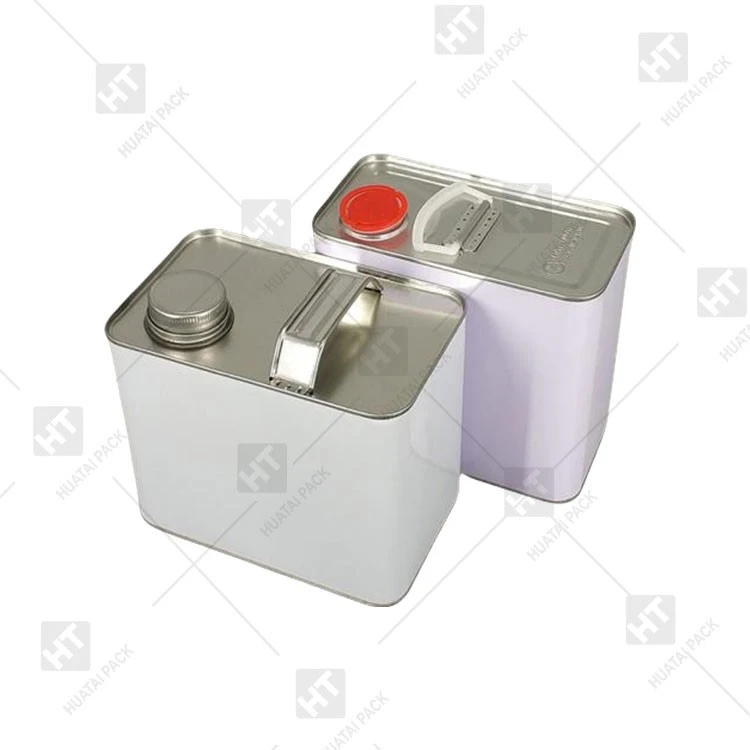
- Square Iron Can: These cans are made of durable iron and feature a square shape, which makes them easy to stack and store. They are available in different sizes and capacities to meet your specific needs.
- 1L Square Tin Can: Ideal for small engines and equipment, these 1L square tin cans are lightweight and easy to handle. They are made of high-quality tinplate and are designed to provide excellent protection against corrosion and leakage.
- F-Type Metal Can: The F-Type metal cans are designed with a unique shape that provides better stability and prevents tipping. They are made of strong metal and are suitable for storing and transporting engine oil in both domestic and industrial settings.
Conclusion
Transferring engine oil from a large can to a smaller engine oil can is a practical and feasible solution that offers several benefits, including better control over the amount of oil used, convenience in storage and transportation, and improved safety. By following the safety considerations and best practices outlined in this blog post, you can ensure a smooth and efficient transfer process.

If you are interested in purchasing high-quality engine oil cans for your business or personal use, I encourage you to contact me for more information. I would be happy to assist you in finding the right cans to meet your specific needs and requirements.
References
- American Petroleum Institute (API). (2023). Engine Oil Standards and Specifications.
- Society of Automotive Engineers (SAE). (2023). Viscosity Grades for Engine Oils.
- Occupational Safety and Health Administration (OSHA). (2023). Hazard Communication Standard.