

Can I mix different types of glue from 8oz cans?
Aug 11, 2025
As a supplier of 8oz glue cans, I often receive inquiries from customers about whether they can mix different types of glue from these 8oz containers. This is a valid and important question, especially for those in the construction, crafting, and DIY industries. In this blog, I'll delve into the science behind glue mixing, the potential risks and benefits, and provide some guidance on making the right decision.
Understanding Glue Composition
Before we discuss mixing different types of glue, it's crucial to understand what makes up these adhesives. Glues can be broadly classified into several categories based on their chemical composition, including epoxy, polyurethane, cyanoacrylate, and PVA (polyvinyl acetate). Each type has its unique properties, such as bonding strength, drying time, flexibility, and resistance to heat, water, and chemicals.
Epoxy glues are known for their high strength and durability. They consist of two components, a resin and a hardener, which must be mixed in the correct ratio to cure properly. Once cured, epoxy forms a strong, rigid bond that is resistant to most chemicals and can withstand high temperatures.
Polyurethane glues are versatile and can bond a wide range of materials, including wood, metal, plastic, and ceramics. They are moisture-curing, which means they react with water in the air or on the surface of the materials to form a strong bond. Polyurethane glues are flexible and can withstand some movement, making them suitable for applications where there may be some stress or vibration.
Cyanoacrylate glues, also known as super glues, are fast-acting and form an almost instant bond. They work by reacting with moisture on the surface of the materials to form a strong, rigid bond. Cyanoacrylate glues are ideal for small repairs and bonding smooth, non-porous surfaces.
PVA glues are water-based and are commonly used in woodworking, paper crafts, and general household repairs. They are easy to use, non-toxic, and dry clear. PVA glues are not as strong as epoxy or polyurethane glues but are suitable for many light-duty applications.
The Risks of Mixing Different Types of Glue
Mixing different types of glue can be a risky proposition. The chemical reactions between different adhesives can be unpredictable and may result in a weaker bond, a longer drying time, or even a complete failure of the adhesive. Here are some of the potential risks:
- Incompatible Chemical Reactions: Different types of glue have different chemical compositions and curing mechanisms. Mixing them can cause chemical reactions that may prevent the glue from curing properly or result in a brittle, weak bond. For example, mixing an epoxy glue with a cyanoacrylate glue can cause the epoxy to cure too quickly, resulting in a weak bond that may break under stress.
- Reduced Bond Strength: Mixing different types of glue can also reduce the bond strength of the adhesive. Each type of glue is formulated to work best with specific materials and under specific conditions. Mixing them can dilute the effectiveness of the glue and result in a weaker bond.
- Longer Drying Time: Some types of glue may have different drying times. Mixing them can result in a longer drying time, which can be a problem if you need to complete a project quickly.
- Safety Hazards: Mixing different types of glue can also create safety hazards. Some adhesives may release toxic fumes or chemicals when mixed, which can be harmful to your health. It's important to read the labels and safety data sheets of each glue before mixing them and to use them in a well-ventilated area.
The Benefits of Mixing Different Types of Glue
While there are risks associated with mixing different types of glue, there are also some potential benefits. In some cases, mixing different types of glue can create a custom adhesive that has the properties you need for a specific application. Here are some of the potential benefits:
- Customized Properties: Mixing different types of glue can allow you to create a custom adhesive that has the properties you need for a specific application. For example, you could mix a flexible polyurethane glue with a strong epoxy glue to create an adhesive that is both flexible and strong.
- Cost Savings: Mixing different types of glue can also be a cost-effective way to create an adhesive that has the properties you need. Instead of buying a more expensive specialty glue, you could mix two or more less expensive glues to create a similar product.
- Improved Performance: In some cases, mixing different types of glue can improve the performance of the adhesive. For example, adding a small amount of a cyanoacrylate glue to a PVA glue can increase the bond strength and drying time of the PVA glue.
Guidelines for Mixing Different Types of Glue
If you decide to mix different types of glue, it's important to follow some guidelines to ensure a successful result. Here are some tips:
- Test First: Before mixing different types of glue on a large scale, it's important to test the mixture on a small, inconspicuous area. This will allow you to see how the glue behaves and whether it will work for your application.
- Use the Right Ratio: When mixing different types of glue, it's important to use the right ratio. Each type of glue has its own recommended mixing ratio, and using the wrong ratio can result in a weak bond or a glue that doesn't cure properly.
- Mix Thoroughly: It's important to mix the glue thoroughly to ensure that the different components are evenly distributed. Use a stir stick or a mixing tool to mix the glue for at least a few minutes.
- Work Quickly: Once you've mixed the glue, it's important to work quickly. Some types of glue have a short working time, and if you don't use the glue within this time, it may start to cure and become unusable.
- Follow Safety Precautions: When mixing different types of glue, it's important to follow safety precautions. Wear gloves, goggles, and a respirator to protect yourself from the fumes and chemicals. Work in a well-ventilated area and avoid inhaling the fumes.
Conclusion
In conclusion, mixing different types of glue from 8oz cans can be a risky proposition, but it can also have some potential benefits. Before mixing different types of glue, it's important to understand the chemical composition and properties of each glue and to follow some guidelines to ensure a successful result. If you're unsure whether mixing different types of glue is right for your application, it's best to consult with a professional or to test the mixture on a small, inconspicuous area first.
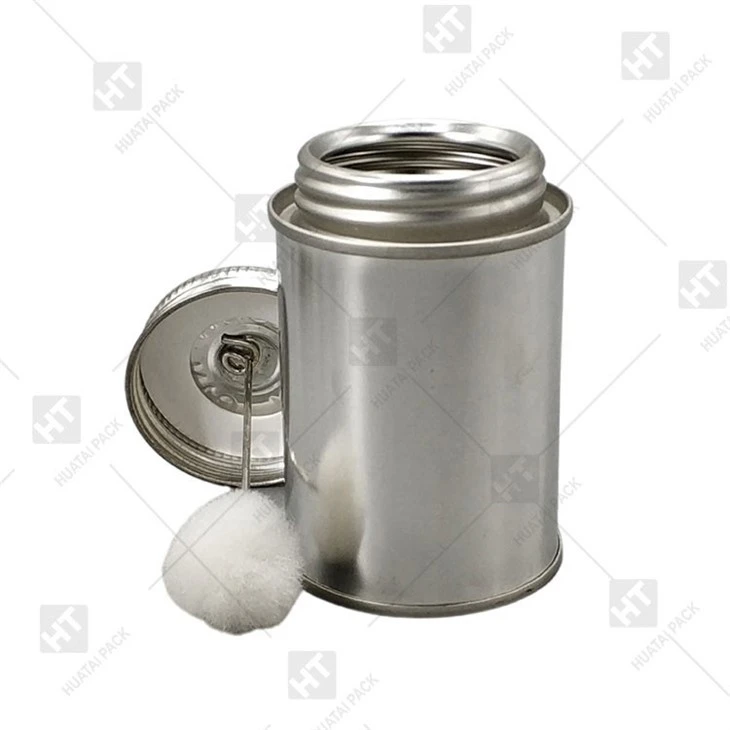
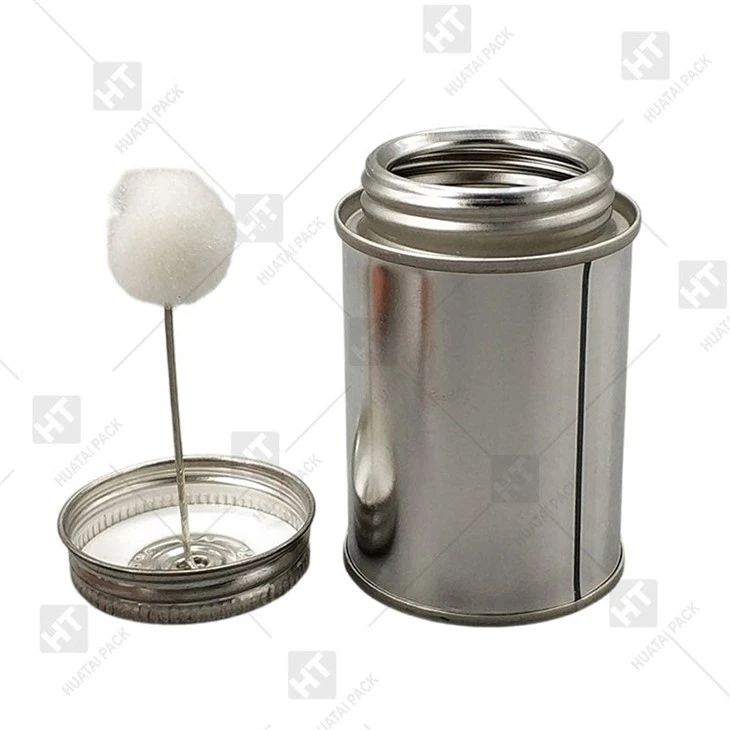
As a supplier of 8oz Glue Can, 16oz Pvc Can With Cap, and 4oz Glue Can, we offer a wide range of high-quality glue products to meet your needs. If you have any questions or need help choosing the right glue for your application, please don't hesitate to contact us. We're here to help you make the right decision and to ensure a successful project.
References
- "Adhesive Technology Handbook" by John A. Dorsey
- "The Complete Guide to Glues and Adhesives" by Robert N. Dean
- Manufacturer's instructions and safety data sheets for each type of glue