

Can canned food be microwaved?
Jun 12, 2025
Can canned food be microwaved? This is a question that many consumers often ask, and as a food can supplier, I'm here to provide you with a comprehensive answer based on scientific facts.
The Science Behind Microwaves and Canned Food
Microwave ovens work by generating electromagnetic waves that cause water molecules in food to vibrate, producing heat. This heating method is very efficient and quick, but it has specific requirements for the containers used.
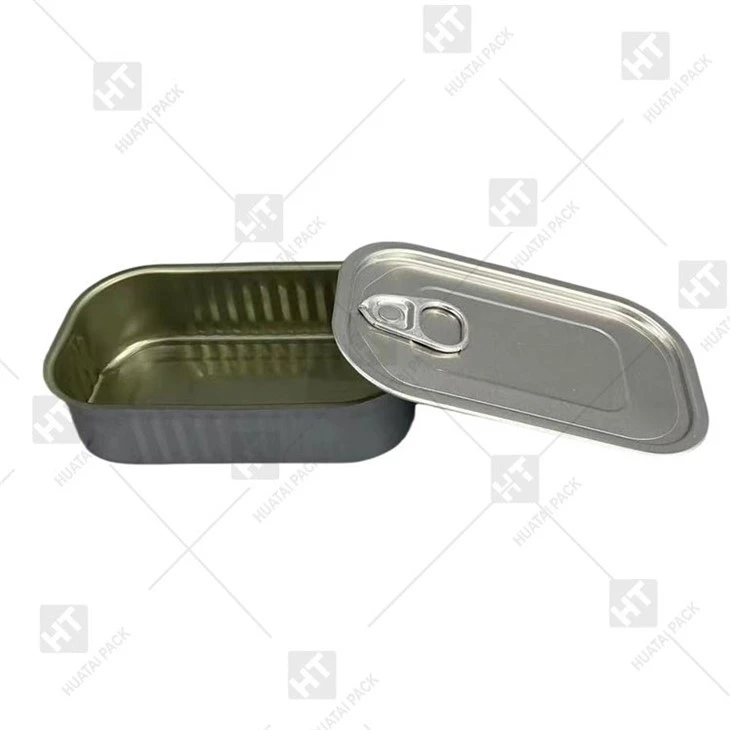
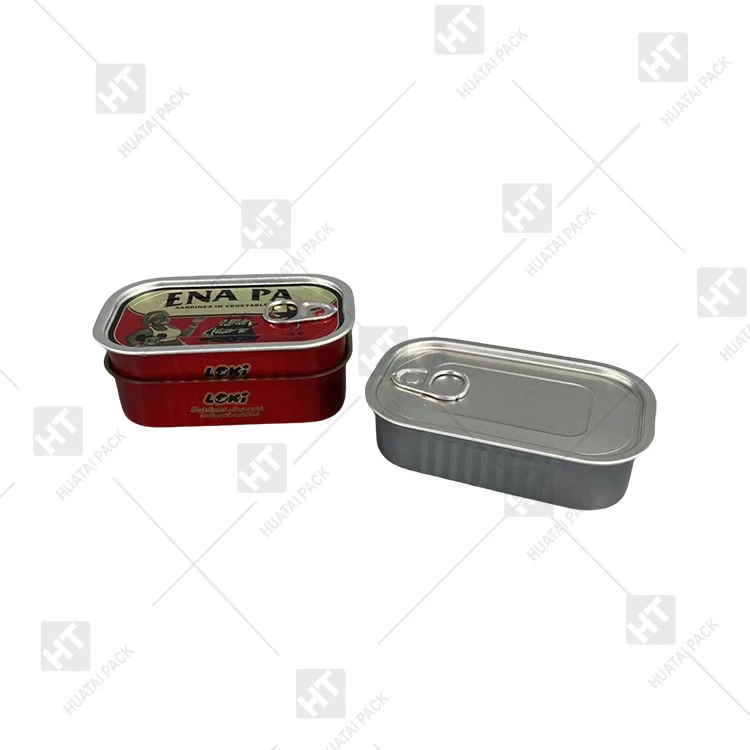
Canned food typically comes in metal cans, such as the Metal Food Tin Can. Metal is a conductor of electricity. When placed in a microwave, the metal can reflect the microwaves. This reflection can lead to several problems. Firstly, it can cause arcing, which is the visible sparking that occurs when the electrical charges build up on the metal surface. Arcing can damage the microwave oven and may even pose a fire hazard. Secondly, the uneven distribution of electrical charges on the metal can create hotspots, which can cause the can to overheat and potentially explode.
Exceptions and Special Cases
However, there are some exceptions. Some modern canned foods come with special microwave - safe coatings on the inside of the can. These coatings are designed to allow the microwaves to penetrate the can and heat the food without causing the problems associated with metal. But these types of cans are relatively rare, and it's crucial to check the label on the can to see if it's specifically marked as microwave - safe.
Another option is to transfer the canned food from the metal can to a microwave - safe container. This is a simple and safe way to heat canned food in the microwave. For example, if you have a 125g Empty Sardine Can filled with sardines, you can pour the sardines and their contents into a glass or ceramic bowl before heating them in the microwave.
Safety Concerns
Safety should always be the top priority when using a microwave. Even if a can appears to heat up normally in the microwave, there could still be hidden risks. The high - pressure environment inside a heated can can cause the can to burst, sending hot food and metal fragments flying. This can cause serious injuries to anyone nearby.
In addition, the metal in the can can interfere with the microwave's sensor, leading to inaccurate heating. This may result in under - cooked or over - cooked food, which can affect the taste and nutritional value of the food.
Heating Canned Food Without a Microwave
If you're concerned about the safety of microwaving canned food, there are other ways to heat it. One of the most common methods is to heat the can in a pot of boiling water. Simply place the unopened can in a pot filled with water and bring the water to a boil. Then, reduce the heat and let the can simmer for a few minutes until the food is heated through. This method is safe and ensures even heating.
Another option is to use a stovetop. You can transfer the canned food to a saucepan and heat it over low to medium heat, stirring occasionally to ensure even cooking.
The Role of Food Can Suppliers
As a food can supplier, we play an important role in ensuring the safety and usability of our products. We are constantly researching and developing new materials and coatings to make our cans more microwave - friendly. We also provide clear instructions and labels on our cans to inform consumers about the proper way to handle and heat the food.
For example, our Sardine Cans are designed with high - quality materials to ensure the freshness and safety of the sardines. We follow strict manufacturing standards to prevent any potential contamination and ensure that the cans are durable and reliable.
Consumer Education
Consumer education is also a key part of our mission. We believe that by providing consumers with accurate information about canned food and microwave safety, we can help them make informed decisions. We encourage consumers to read the labels on the cans carefully and follow the recommended heating instructions.
If you have any questions or concerns about our products, or if you're interested in learning more about the proper use of canned food, please don't hesitate to contact us. We're here to assist you in any way we can. Whether you're a retailer looking to stock our high - quality food cans or a consumer with specific needs, we're ready to engage in a discussion about your requirements.
Conclusion
In conclusion, in general, it is not safe to microwave canned food in metal cans due to the risks of arcing, uneven heating, and potential explosions. However, there are some special cases where microwave - safe cans are available, and transferring the food to a microwave - safe container is a safe alternative. As a food can supplier, we are committed to providing safe and high - quality products, and we encourage consumers to prioritize safety when heating canned food.
If you're interested in purchasing our food cans, whether it's for commercial use or personal consumption, we invite you to reach out to us for further details and to start a procurement discussion. We look forward to working with you to meet your food packaging needs.
References
- "Microwave Oven Safety", U.S. Food and Drug Administration
- "Canned Food: Storage and Safety", USDA Food Safety and Inspection Service
- "The Science of Microwave Cooking", American Chemical Society