

Can a lid be used for insulation?
Aug 01, 2025
In the world of packaging and storage, the question of whether a lid can be used for insulation is both practical and intriguing. As a supplier of lids, rings, and bottoms, I've witnessed firsthand the diverse applications and functionalities of these seemingly simple components. In this blog, we'll explore the science behind insulation, the potential of lids in providing thermal protection, and how our products can play a role in various insulation needs.
Understanding Insulation
Insulation is the process of reducing the transfer of heat between two areas. Heat transfer occurs through three main mechanisms: conduction, convection, and radiation. Conduction is the transfer of heat through direct contact between materials. For example, when you touch a hot pan, heat is conducted from the pan to your hand. Convection involves the transfer of heat through the movement of fluids, such as air or water. Think of the warm air rising from a heater and circulating around a room. Radiation is the transfer of heat through electromagnetic waves, like the heat we feel from the sun.
To be an effective insulator, a material needs to impede one or more of these heat transfer mechanisms. Materials with low thermal conductivity, such as fiberglass, foam, and certain plastics, are commonly used for insulation because they slow down the conduction of heat.
The Role of Lids in Insulation
Lids can indeed contribute to insulation in several ways. First, they act as a physical barrier, preventing direct contact between the contents of a container and the external environment. This reduces the potential for heat conduction. For example, a well - fitting lid on a thermos bottle helps to keep the hot liquid inside from losing heat to the surrounding air through conduction.
Second, lids can limit convection. By sealing the opening of a container, they prevent the exchange of warm and cool air. In a food storage container, a tight - fitting lid can stop the warm air inside from rising and escaping, and the cool air outside from entering. This is especially important for keeping food fresh and at the desired temperature.
Third, some lids are designed with materials that have low emissivity, which means they can reduce heat transfer by radiation. For instance, lids made with reflective coatings can reflect radiant heat, keeping the contents of the container cooler in a hot environment.
Our Lid Products and Insulation
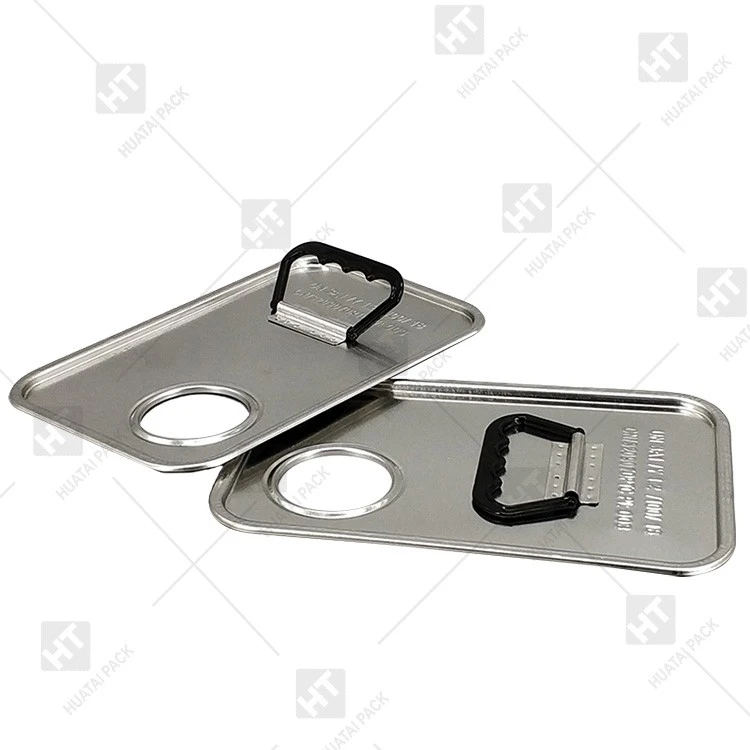
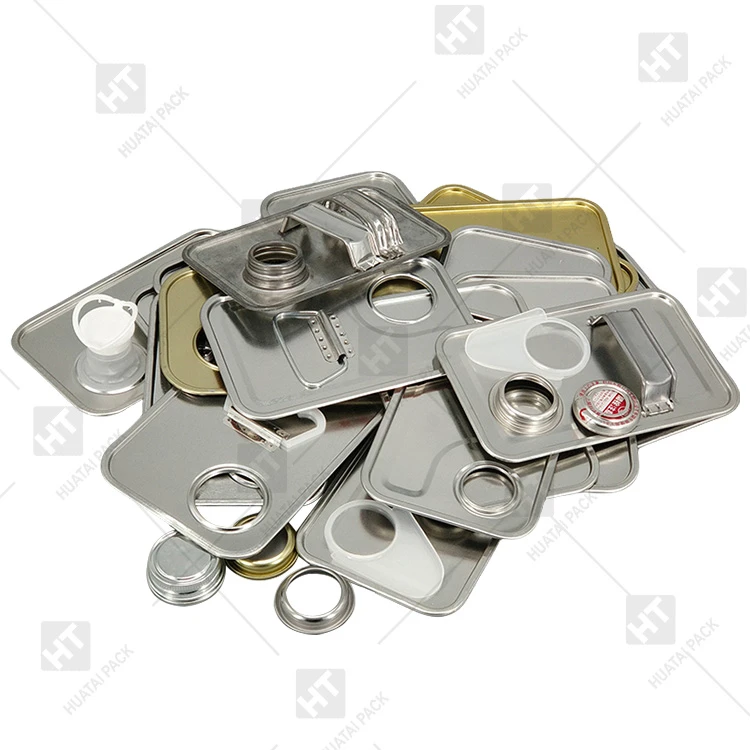
As a supplier of lids, rings, and bottoms, we offer a range of products that can be used for insulation purposes. Our 1gallon F Style lids are designed to provide a secure fit on containers. The tight seal they create helps to minimize heat transfer through conduction and convection. These lids are made from high - quality plastics that have relatively low thermal conductivity, further enhancing their insulating properties.
Our Easy Open Lid series is not only convenient but also offers good insulation. The design ensures that once the lid is closed, it forms a reliable barrier against heat loss or gain. The materials used in these lids are carefully selected to balance ease of use and insulation performance.
In addition to our standard lids, we also offer Accessories For Metal Packing. These accessories can be used to enhance the insulation of metal containers. For example, gaskets and seals can be added to lids to improve the airtightness, reducing heat transfer through convection.
Applications of Insulating Lids
Insulating lids have a wide range of applications in different industries. In the food and beverage industry, they are essential for keeping products at the right temperature during storage and transportation. A lid on a milk carton helps to maintain the cold temperature, preventing spoilage. In the pharmaceutical industry, insulating lids are used to protect temperature - sensitive medications from heat or cold, ensuring their efficacy.
In the household, insulating lids are used on pots, pans, and food storage containers. A lid on a pot while cooking can help to retain heat, reducing cooking time and energy consumption. In the winter, a lid on a water storage tank can prevent the water from freezing.
Factors Affecting Lid Insulation Performance
Several factors can affect the insulation performance of a lid. The material of the lid is crucial. As mentioned earlier, materials with low thermal conductivity are better insulators. The thickness of the lid also plays a role. Thicker lids generally provide better insulation because they have more material to impede heat transfer.
The fit of the lid is another important factor. A loose - fitting lid will allow air to leak in and out, reducing the effectiveness of the insulation. The design of the lid, including any additional features such as gaskets or seals, can also enhance the insulation by improving the airtightness.
Future Developments in Lid Insulation
As technology advances, we can expect to see further improvements in lid insulation. New materials with even lower thermal conductivity are being developed, which could lead to more efficient insulating lids. For example, nanocomposite materials are being explored for their potential in insulation applications.
In addition, smart lids that can monitor and adjust the temperature inside a container may become more common. These lids could be equipped with sensors and heating or cooling elements to maintain a specific temperature range.
Conclusion
In conclusion, lids can definitely be used for insulation. They play an important role in reducing heat transfer through conduction, convection, and radiation. As a supplier of lids, rings, and bottoms, we are committed to providing high - quality products that meet the insulation needs of various industries. Our 1gallon F Style, Easy Open Lid, and Accessories For Metal Packing are designed to offer reliable insulation performance.
If you are interested in our products for your insulation needs, we invite you to contact us for further discussion and procurement. Whether you are in the food, beverage, pharmaceutical, or any other industry, we can work with you to find the best lid solutions for your specific requirements.
References
- Incropera, F. P., & DeWitt, D. P. (2002). Fundamentals of Heat and Mass Transfer. Wiley.
- ASHRAE Handbook: Fundamentals. (2017). American Society of Heating, Refrigerating and Air - Conditioning Engineers.