

Can a lid be reused?
Aug 12, 2025
In the era of increasing environmental awareness, the question of whether a lid can be reused has become a topic of significant interest. As a supplier of lids, rings, and bottoms, I've witnessed firsthand the growing demand for sustainable packaging solutions. In this blog, I'll explore the feasibility of lid reuse from various perspectives, including environmental, economic, and practical considerations.
Environmental Benefits of Lid Reuse
One of the primary reasons to consider lid reuse is its positive impact on the environment. Traditional single - use lids contribute to the ever - growing problem of waste. According to a report by the Environmental Protection Agency, a large amount of plastic and metal waste comes from packaging materials, including lids. When lids are reused, the amount of waste sent to landfills or incinerators is significantly reduced.
For instance, metal lids, such as those made of aluminum, are highly durable. They can withstand multiple uses without significant degradation. Reusing aluminum lids not only saves landfill space but also conserves valuable natural resources. Aluminum production is an energy - intensive process, and by reusing lids, we can reduce the energy consumption associated with mining and refining new aluminum.
Plastic lids, on the other hand, are often seen as less sustainable due to their slow decomposition rate. However, if properly cleaned and maintained, many types of plastic lids can also be reused. This reduces the demand for new plastic production, which in turn helps to cut down on the pollution caused by plastic manufacturing, such as the release of harmful chemicals into the environment.
Economic Advantages of Lid Reuse
From an economic perspective, lid reuse can offer substantial savings for both consumers and businesses. For consumers, reusing lids means they don't have to constantly purchase new ones. This can be especially beneficial for products that come with expensive or specialized lids. For example, some high - end food products use custom - designed lids that can be quite costly. By reusing these lids, consumers can save money in the long run.
Businesses can also benefit from lid reuse. As a lid, ring, and bottom supplier, I understand that the cost of manufacturing new lids includes raw materials, labor, and energy costs. By promoting lid reuse, companies can reduce their production volume, which leads to lower costs. Additionally, businesses can build a positive brand image by demonstrating their commitment to sustainability, which can attract environmentally - conscious customers.

Practical Considerations for Lid Reuse
While the environmental and economic benefits of lid reuse are clear, there are also some practical considerations to take into account. The first is hygiene. Lids that come into contact with food or other consumables need to be thoroughly cleaned before reuse. This may involve washing with soap and water, or in some cases, using a dishwasher. For lids used in industrial or non - food applications, the cleaning requirements may be different but still important to ensure proper functionality.
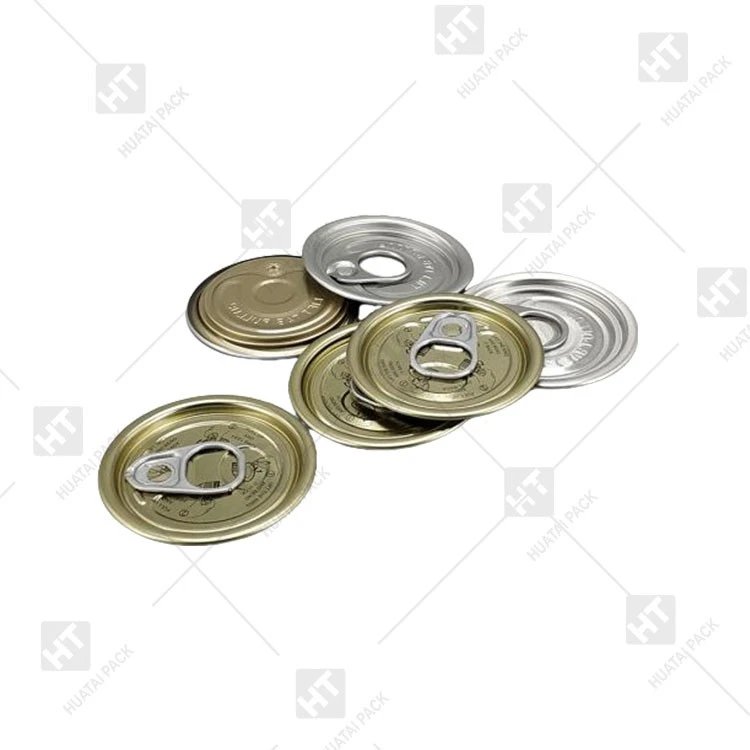
Another consideration is the compatibility of lids with different containers. Not all lids are designed to fit multiple types of containers. As a supplier, we offer a wide range of lids, such as Easy Open Lid and Bottom Ring Lid, which are designed to fit specific container sizes and shapes. When considering lid reuse, it's important to ensure that the lid will provide a proper seal to prevent leakage or contamination.
The durability of the lid is also a key factor. Some lids may become damaged or worn out after a few uses, making them unsuitable for further reuse. For example, lids with broken seals or cracked edges may not be able to maintain the integrity of the container. As a supplier, we focus on manufacturing high - quality lids that can withstand multiple uses, but it's still important for users to inspect lids regularly for signs of damage.
Types of Lids Suitable for Reuse
There are several types of lids that are particularly suitable for reuse. Metal lids, as mentioned earlier, are very durable. They are commonly used for canned goods, jars, and some industrial containers. Metal lids can be easily cleaned and reused for a long time.
Plastic screw - on lids are also popular for reuse. They are often used on plastic bottles, food storage containers, and other household items. These lids can be easily removed and put back on, and they can be reused multiple times if they are not damaged.
In addition, we also supply Accessories For 1L 5L Square Cans, which include lids that are designed for specific can sizes. These lids are made to be sturdy and can be reused in many cases, providing a practical and sustainable solution for packaging needs.
Challenges in Promoting Lid Reuse
Despite the many benefits of lid reuse, there are some challenges in promoting this practice. One of the main challenges is consumer behavior. Many consumers are used to the convenience of single - use products and may not be willing to change their habits. Education and awareness campaigns are needed to inform consumers about the benefits of lid reuse and how to properly reuse lids.
Another challenge is the lack of infrastructure for lid collection and recycling. In some areas, there may not be facilities to collect and process used lids for reuse. This makes it difficult for consumers and businesses to participate in lid reuse programs.
Conclusion
In conclusion, the answer to the question “Can a lid be reused?” is a resounding yes. Lid reuse offers significant environmental, economic, and practical benefits. As a lid, ring, and bottom supplier, we are committed to providing high - quality products that are suitable for reuse. We believe that by working together with consumers and businesses, we can promote lid reuse and contribute to a more sustainable future.
If you are interested in purchasing our lids, rings, or bottoms for your packaging needs, or if you have any questions about lid reuse, please feel free to contact us for procurement discussions. We look forward to collaborating with you to find the best sustainable packaging solutions.
References
- Environmental Protection Agency. (Year). Packaging Waste Report.
- Industry reports on lid manufacturing and sustainability.