

Can a 5 gallon tin pail be used for storing salt?
Jun 23, 2025
When it comes to storing various items, the choice of container plays a crucial role. One common question that often arises is whether a 5 gallon tin pail can be used for storing salt. As a supplier of high - quality 5 gallon tin pails, I'm here to delve into this topic and provide you with a comprehensive analysis.
Understanding the Nature of Salt
Salt, chemically known as sodium chloride (NaCl), is a highly stable compound under normal conditions. However, it has a unique characteristic that we need to consider when choosing a storage container: hygroscopicity. Hygroscopic substances have the ability to attract and hold water molecules from the surrounding environment. Salt is hygroscopic, which means it will absorb moisture from the air if given the chance. This absorption of moisture can lead to the salt clumping together, which not only affects its usability but can also cause corrosion in some storage materials over time.
Characteristics of a 5 Gallon Tin Pail
A 5 Gallon Tin Pail is typically made of metal, usually steel with a tin coating. Tin is a relatively corrosion - resistant metal, and when it is used as a coating on steel, it provides an additional layer of protection against rust and other forms of corrosion. The 5 - gallon capacity is quite large, making it suitable for storing a significant amount of salt, whether for industrial, commercial, or household use.
Advantages of Using a 5 Gallon Tin Pail for Salt Storage
1. Durability
Tin pails are known for their robustness. They can withstand physical impacts, which is important when handling large quantities of salt. Whether it's being moved around in a warehouse or transported to different locations, a 5 gallon tin pail can keep the salt safe from accidental spills and damage.
2. Sealing
Most 5 gallon tin pails come with tight - fitting lids. A good seal is essential for salt storage because it helps to keep moisture out. By preventing the entry of humid air, the pail can maintain a dry environment inside, reducing the risk of the salt absorbing moisture and clumping.
3. Compatibility
The tin coating on the pail is generally compatible with salt. Tin does not react chemically with sodium chloride under normal conditions. As long as the tin coating remains intact, there is little risk of the salt corroding the pail or causing any chemical reactions that could contaminate the salt.
4. Reusability
Once the salt is used up, the tin pail can be reused. It can be cleaned and used to store other dry goods or even recycled, making it an environmentally friendly option.
Potential Challenges and How to Overcome Them
1. Corrosion Risk
Although tin is corrosion - resistant, over time, the tin coating may get scratched or damaged. If the underlying steel is exposed, it can start to rust when in contact with salt and moisture. To mitigate this risk, it is important to inspect the pail regularly for any signs of coating damage. If a scratch is found, a rust - preventive paint can be used to cover the exposed area.
2. Moisture Trapped Inside
Even with a tight - fitting lid, there is still a small chance that some moisture could be trapped inside the pail when it is initially filled with salt. To address this, you can place a desiccant pack inside the pail. Silica gel packets are commonly used for this purpose. They absorb any excess moisture, helping to keep the salt dry.
Comparison with Other Storage Options
1. Plastic Containers
Plastic containers are also popular for salt storage. However, they are not as durable as tin pails. They can be easily cracked or punctured, leading to salt spills. Additionally, some plastics may not provide as good a seal as tin pails, increasing the risk of moisture ingress.
2. Cardboard Boxes
Cardboard boxes are not suitable for long - term salt storage. They are not moisture - resistant and can easily get damaged by the weight of the salt. They are also prone to tearing and are not able to protect the salt from physical impacts.
Industrial and Commercial Applications
In industrial settings, large quantities of salt are often required for various processes, such as water treatment, chemical manufacturing, and de - icing. A 5 gallon tin pail is an ideal choice for storing salt in these scenarios. Its large capacity means that less frequent refilling is needed, and its durability ensures that the salt remains protected during long - term storage.
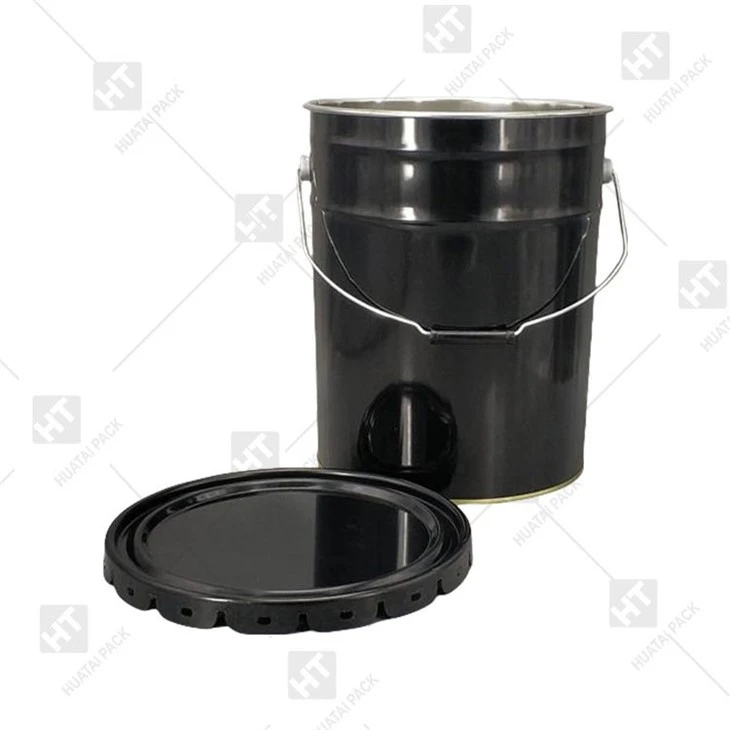
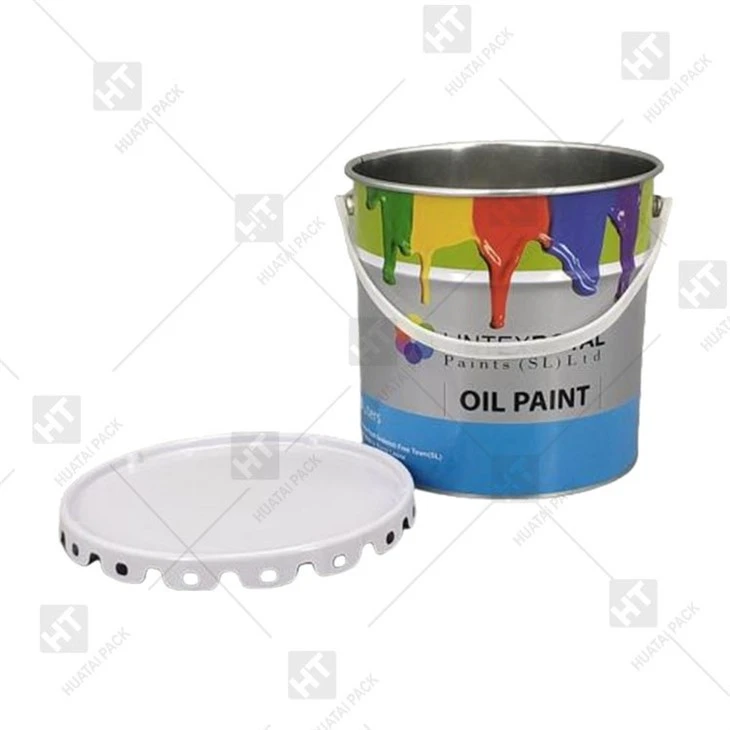
In commercial kitchens and food processing plants, salt is a staple ingredient. A 5 gallon tin pail can be used to store bulk salt, ensuring a steady supply for daily operations. The tight - fitting lid also helps to maintain the hygiene of the salt, preventing contamination from dust and other particles.
Household Use
For households, a 5 gallon tin pail can be used to store salt for de - icing sidewalks and driveways during winter. The large capacity means that you have enough salt on hand to deal with multiple snowfalls. It can also be used to store salt for home canning or other food preservation methods.
Other Related Products
If the 5 - gallon capacity is too large for your needs, we also offer 1 Gallon Metal Pail with Flower Lid. This smaller pail is more suitable for storing smaller amounts of salt, perhaps for household seasoning or small - scale projects. On the other hand, if you need an even larger capacity, our 20L Metal Pail is a great option, offering a capacity similar to the 5 - gallon pail but with a different size and shape.
Conclusion
In conclusion, a 5 gallon tin pail is a viable option for storing salt. Its durability, sealing properties, and compatibility with salt make it a reliable choice for both short - term and long - term storage. However, proper maintenance is required to ensure that the pail remains in good condition and the salt stays dry.
If you are interested in purchasing 5 gallon tin pails for salt storage or other purposes, please feel free to contact us for more information and to discuss your specific requirements. We are committed to providing high - quality products and excellent customer service.
References
- "Corrosion of Metals" by R. Winston Revie.
- "Handbook of Industrial Salt" by various authors.
- "Principles of Food Preservation" which contains information on salt storage in different containers.