

Are tight head pails stackable in a warehouse?
Dec 31, 2025
As a reliable tight head pails supplier, one of the most frequently asked questions by our customers is whether tight head pails are stackable in a warehouse. This query is of great significance as efficient warehouse space utilization is crucial for businesses aiming to optimize storage cost and streamline operations. In this blog, I'll explore the stackability of tight head pails, including the factors affecting it, best practices, and how our products meet the stacking requirements.

Understanding Tight Head Pails
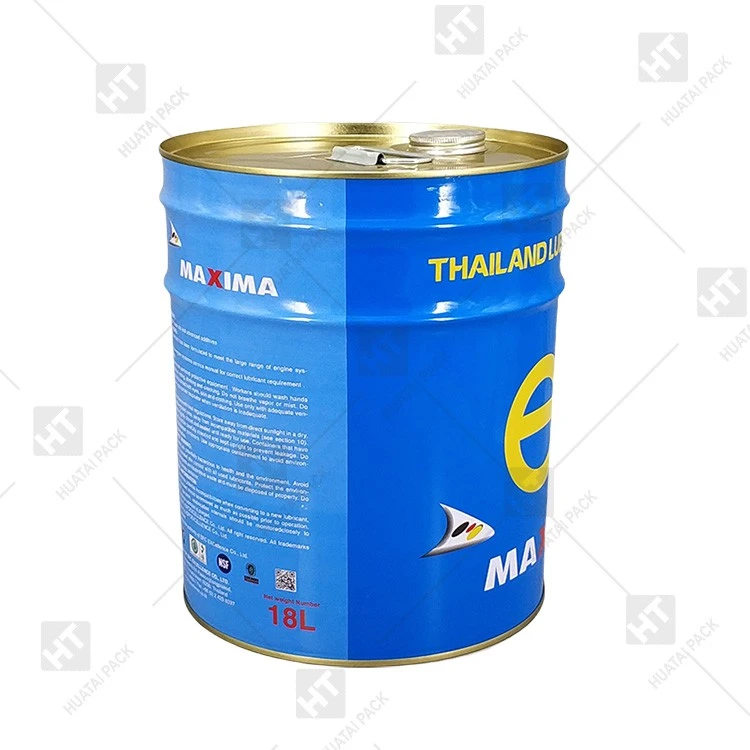
Tight head pails are containers equipped with a secure, leak - proof lid that is typically sealed with a gasket. These pails come in various sizes, materials, and designs. The materials usually include plastic and metal. Metal tight head pails, such as Metal Drum For Engine Oil, 5gallon Metal Pail, and Closed Metal Pail, are known for their durability and strength, making them ideal for storing and transporting a wide range of products, from industrial chemicals to food products. Plastic tight head pails, on the other hand, are lightweight and corrosion - resistant.
Factors Affecting Stackability of Tight Head Pails
1. Material and Construction
The material plays a fundamental role in determining the stackability of tight head pails. Metal pails, especially those made of steel, are highly stackable due to their rigid structure. They can withstand the weight of multiple pails stacked on top of them without deforming. For instance, a well - constructed 5gallon Metal Pail can support a significant amount of weight when stacked properly.
Plastic pails, while generally lighter, may require additional design features to ensure stackability. Some plastic tight head pails are designed with reinforced walls and a ribbed structure to enhance their load - bearing capacity. Pails with a uniform wall thickness are also more likely to stack evenly and safely.
2. Pail Design
The design of the pail impacts how well it can be stacked. Pails with a straight - sided, cylindrical shape are easier to stack compared to those with irregular shapes. Additionally, pails with a consistent lid and body dimensions allow for better alignment when stacking.
Some tight head pails come with specially designed stacking rims or flanges. These features provide a stable base for the pails above, preventing them from slipping or tipping over. The position of the handles on the pail can also influence stackability. Handles that are recessed or flush with the pail body cause less interference when stacking multi - layer pails.
3. Contents of the Pails
The nature of the products stored inside the tight head pails affects their stackability. If the pails are filled with heavy or dense materials, the load - bearing capacity of the lower pails becomes a critical consideration. For example, pails filled with liquids or granular substances may exert more pressure on the pails beneath compared to those filled with lighter, fluffy materials.
It's also important to consider the stability of the contents. If the product inside the pail is prone to shifting, it could cause the pail to become unbalanced, increasing the risk of collapse during stacking.
4. Warehouse Conditions
The environment within the warehouse can impact the stackability of tight head pails. Temperature and humidity fluctuations can cause the material of the pails to expand or contract, potentially affecting their structural integrity. For example, extreme heat may cause plastic pails to soften and lose their shape, making them less suitable for stacking.
The floor of the warehouse also needs to be level and capable of supporting the weight of the stacked pails. Uneven floors can lead to an uneven distribution of weight, increasing the risk of pail collapse.
Best Practices for Stacking Tight Head Pails in a Warehouse
1. Proper Inspection
Before stacking tight head pails, it's essential to inspect each pail for any signs of damage or defects. This includes checking for dents, cracks, or loose lids on metal pails, and any signs of warping or weakening in plastic pails. Damaged pails should be removed from circulation as they can compromise the stability of the entire stack.
2. Weight Distribution
When stacking pails, it's important to ensure that the weight is evenly distributed. Start by stacking the heavier pails on the bottom and the lighter ones on top. This helps to keep the center of gravity low and reduces the risk of the stack toppling over.
3. Stacking Height
Set a reasonable stacking height limit based on the pail's design, material, and the contents. Over - stacking can put excessive stress on the lower pails, leading to deformation and potential failure. In general, for metal pails, a stack of 3 - 5 pails is common, while for plastic pails, the stacking height may be more limited, usually 2 - 3 pails.
4. Use of Pallets
Pallets can significantly improve the stability of stacked tight head pails. They provide a flat and even surface for the pails to rest on, and they also make it easier to move the stacks using forklifts or pallet jacks. Place the pails evenly on the pallet to ensure proper weight distribution.
5. Regular Monitoring
Regularly monitor the stacked pails in the warehouse. Check for any signs of shifting, deformation, or damage. If any issues are detected, take immediate action to correct the situation, such as re - stacking or removing damaged pails.
How Our Tight Head Pails Meet Stacking Requirements
As a supplier of tight head pails, we understand the importance of stackability in warehouse management. Our Metal Drum For Engine Oil and 5gallon Metal Pail products are constructed with high - quality steel. The metal is thick enough to withstand the weight of multiple pails stacked on top, ensuring long - term stability during storage.
Our plastic tight head pails are designed with reinforced walls and a ribbed structure to enhance their load - bearing capacity. The lid and body dimensions are precisely engineered to ensure a consistent and secure fit, allowing for easy and safe stacking.
We also provide detailed stacking guidelines with each order. These guidelines take into account the specific characteristics of our pails and offer recommendations on weight distribution, stacking height, and other best practices.
Conclusion
In conclusion, tight head pails can be stackable in a warehouse, provided that the appropriate factors are considered and best practices are followed. The material, design, contents of the pails, and warehouse conditions all play a role in determining their stackability.
As a trusted supplier of tight head pails, we are committed to providing products that meet the highest standards of quality and stackability. Our Closed Metal Pail and other offerings are designed to optimize warehouse storage space while ensuring the safety and integrity of your stored products.
If you are looking for reliable tight head pails for your business, we invite you to contact us for a detailed discussion on your specific requirements. Our team of experts is ready to assist you in selecting the most suitable products and providing all the necessary tips for efficient warehouse stacking.
References
- "Warehouse Storage and Handling Best Practices", Industry Handbook, 20XX.
- "Materials and Design Considerations for Stackable Containers", Journal of Packaging Science, Vol. XX, Issue XX, 20XX.