

Are tight head pails stackable horizontally?
Apr 21, 2026
Tight head pails are a common type of container used across various industries for storing and transporting a wide range of substances, from chemicals and paints to food products. One question that often arises among users and potential buyers is whether tight head pails are stackable horizontally. As a supplier of high - quality tight head pails, I am here to delve into this topic and provide you with comprehensive insights.
Understanding Tight Head Pails
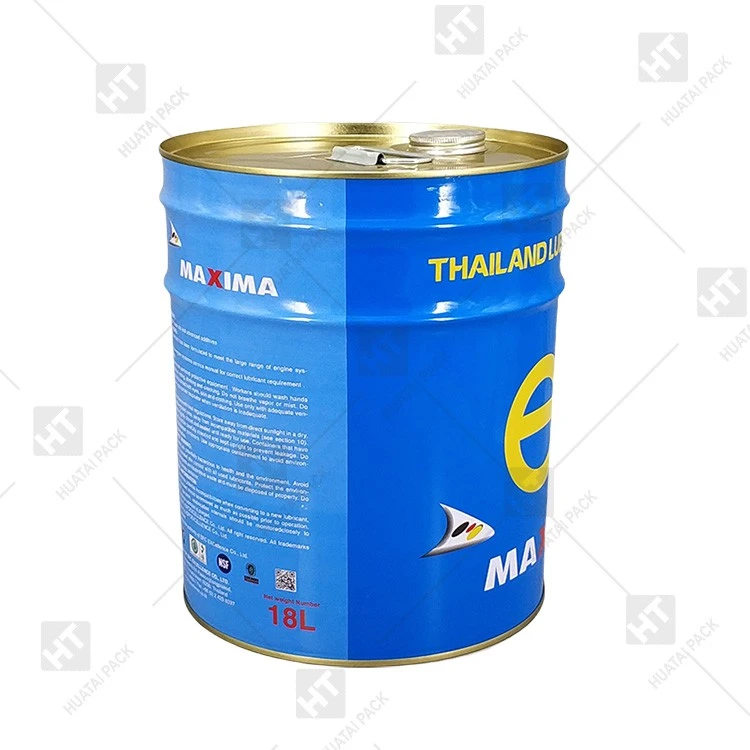
Before we discuss horizontal stackability, let's briefly understand what tight head pails are. Tight head pails are designed with a secure, leak - proof lid that is tightly sealed to the pail body. This design ensures that the contents are well - protected from external factors such as dust, moisture, and spills. They come in different materials, including metal and plastic, and various capacities, with the 5gallon Metal Pail being a popular choice in the market.
Factors Affecting Horizontal Stackability
Structural Design
The structural integrity of the tight head pail plays a crucial role in determining its horizontal stackability. Metal tight head pails, for instance, are generally more rigid and can better withstand the pressure exerted during horizontal stacking. Their sturdy construction allows them to support the weight of other pails without deforming easily. On the other hand, plastic tight head pails may be more flexible, and if not designed properly, they can buckle or crack under the weight of horizontal stacking.
Lid Design
The lid of a tight head pail also impacts its horizontal stackability. A well - designed lid that fits snugly and provides additional support can enhance the overall stability of the pail during stacking. Some lids are reinforced or have a specific shape that allows for better weight distribution. For example, in Closed Metal Pail models, the lids are engineered to provide a tight seal and contribute to the pail's structural strength, making them more suitable for horizontal stacking in some cases.
Content Inside the Pail
The nature of the contents stored in the tight head pail is another important factor. If the pail is filled with a liquid, the movement of the liquid during horizontal stacking can cause uneven pressure distribution. This can potentially lead to leaks or damage to the pail. In contrast, pails filled with solid materials are generally more stable during horizontal stacking as the contents do not shift as easily. For example, a Metal Drum For Engine Oil filled with oil needs to be handled with extra care during horizontal stacking due to the fluidity of the oil.
Advantages of Horizontal Stacking
Space Utilization
One of the main advantages of horizontal stacking is better space utilization. In warehouses or storage facilities with limited vertical space, horizontal stacking can allow for more efficient use of the available floor area. By laying the pails horizontally, you can stack them in a more compact manner, potentially increasing the storage capacity of the facility.
Easier Access
Horizontal stacking can also provide easier access to the contents of the pails. When pails are stacked horizontally, it is often simpler to reach and retrieve individual pails compared to vertical stacking, especially in large storage setups. This can save time and effort during the handling and distribution process.
Disadvantages of Horizontal Stacking
Risk of Damage
As mentioned earlier, horizontal stacking can pose a risk of damage to the pails, especially if they are not designed to withstand the pressure. The weight of the upper pails can cause dents, cracks, or leaks in the lower pails, particularly if the pails are made of less - durable materials or if the stacking is not done properly.

Structural Integrity Compromise
Over time, horizontal stacking can compromise the structural integrity of the pails. The continuous pressure from the weight of the stacked pails can weaken the sides and lids of the pails, reducing their ability to contain the contents safely. This is especially a concern for long - term storage.
Best Practices for Horizontal Stacking
If you decide to stack your tight head pails horizontally, there are several best practices to follow. Firstly, ensure that the pails are of high - quality and are designed to support horizontal stacking. Check the manufacturer's guidelines for specific recommendations. Secondly, use appropriate stacking equipment such as pallets or racks to provide a stable base for the pails. This can help distribute the weight evenly and reduce the risk of damage. Thirdly, avoid over - stacking. Limit the number of pails in each horizontal stack to prevent excessive pressure on the lower pails.
Conclusion and Call to Action
In conclusion, whether tight head pails are stackable horizontally depends on multiple factors, including the pail's design, material, and the contents stored inside. While horizontal stacking offers benefits in terms of space utilization and access, it also comes with potential risks. As a trusted supplier of tight head pails, we offer a wide range of products designed to meet your specific needs, whether you require vertical or horizontal stacking solutions.
If you are interested in purchasing high - quality tight head pails for your business, we invite you to contact us for a detailed discussion. Our team of experts can provide you with the right advice and guidance on choosing the most suitable pails for your application and storage requirements. Let's work together to find the best packaging solution for your products.