

Are there any regulations for using industrial oil cans?
Apr 13, 2026
Hey there! I'm an industrial oil cans supplier, and I often get asked if there are any regulations for using industrial oil cans. Well, the answer is a big yes! In this blog, I'll break down the key regulations and how they impact the use of industrial oil cans.
Why Regulations Matter
First off, let's talk about why these regulations exist. Industrial oil cans are used to store and transport various types of oils, including lubricants, hydraulic oils, and motor oils. These oils can be hazardous if not handled properly. Regulations are in place to protect the environment, ensure the safety of workers, and prevent any potential health risks.
Environmental Regulations
One of the major concerns when it comes to industrial oil cans is environmental protection. Spills and leaks can contaminate soil, water sources, and harm wildlife. That's why there are strict regulations regarding the storage and disposal of oil cans.
- Storage Requirements: Industrial oil cans should be stored in a well - ventilated area away from heat sources and open flames. They should be placed on a spill - containment pad to prevent any oil from seeping into the ground in case of a leak. For example, if you have a large quantity of Square Engine Oil Can, you need to make sure they are stored in a rack or a storage cabinet that can hold them securely.
- Disposal Regulations: Empty oil cans are considered hazardous waste in many regions. They need to be properly cleaned and recycled. Some areas require that the cans be punctured to prevent them from being reused illegally. Recycling helps reduce the amount of waste going to landfills and conserves valuable resources.
Safety Regulations for Workers
Workers who handle industrial oil cans are at risk of exposure to oils, which can cause skin irritation, respiratory problems, and other health issues. There are regulations in place to protect them.
- Personal Protective Equipment (PPE): Workers should wear appropriate PPE, such as gloves, goggles, and aprons, when handling oil cans. This helps prevent direct contact with the oil and reduces the risk of skin and eye injuries.
- Training Requirements: Employers are required to provide training to workers on how to safely handle and use industrial oil cans. This includes proper lifting techniques, how to prevent spills, and what to do in case of an emergency.
Quality and Labeling Regulations
Industrial oil cans need to meet certain quality standards to ensure they are safe and reliable.

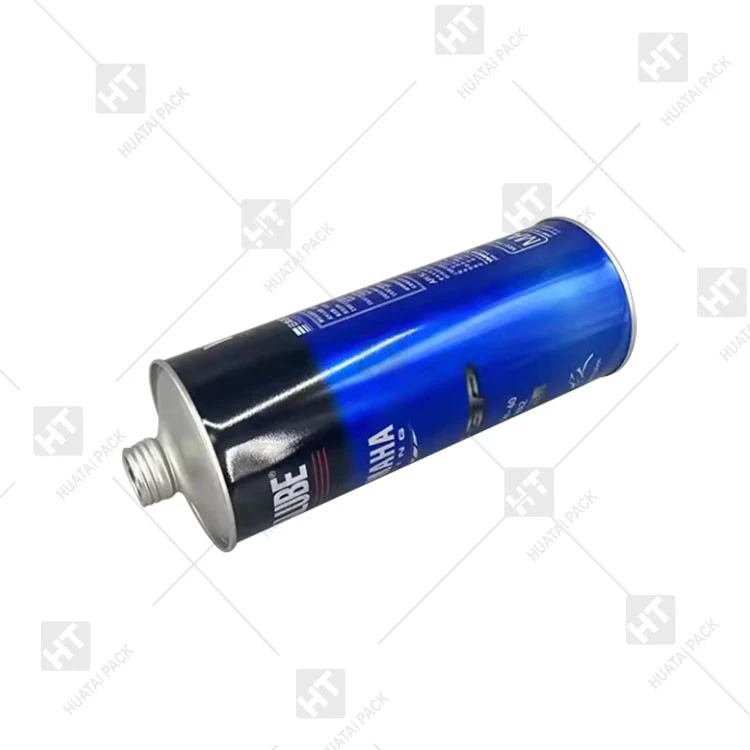
- Quality Standards: The materials used to make the oil cans, such as metal or plastic, should be of high quality. For instance, Metal Oil Can Container should be made of durable metal that can withstand the pressure and chemical properties of the oil.
- Labeling Requirements: Each oil can must be clearly labeled with information such as the type of oil it contains, any hazards associated with the oil, and instructions for use. This helps workers and users identify the contents of the can and handle it safely.
Transportation Regulations
When it comes to transporting industrial oil cans, there are also regulations to follow.
- Packaging and Securing: Oil cans need to be properly packaged to prevent them from being damaged during transportation. They should be secured in a way that they won't shift or fall over. For example, if you're transporting 1L Motor Oil Round Tin Can, they should be placed in a sturdy box with cushioning material.
- Documentation: You need to have the necessary documentation when transporting oil cans, including information about the contents, quantity, and any special handling instructions.
How These Regulations Affect My Business as a Supplier
As an industrial oil cans supplier, I need to make sure that all the products I offer comply with these regulations. This means working with manufacturers who adhere to the quality and safety standards. I also need to provide accurate information to my customers about the products, including any regulatory requirements they need to follow.
For example, when a customer is interested in buying Square Engine Oil Can, I'll make sure to inform them about the proper storage, handling, and disposal methods. I also keep up - to - date with any changes in the regulations to ensure that my products remain compliant.
Conclusion
In conclusion, there are indeed many regulations for using industrial oil cans. These regulations are crucial for protecting the environment, ensuring worker safety, and maintaining product quality. As a supplier, I'm committed to providing high - quality oil cans that meet all the necessary regulatory requirements.
If you're in the market for industrial oil cans, whether it's Square Engine Oil Can, Metal Oil Can Container, or 1L Motor Oil Round Tin Can, I'd love to have a chat with you. Feel free to reach out if you have any questions or if you're interested in purchasing. Let's work together to ensure that you get the right oil cans for your needs while complying with all the regulations.