

Are there any health risks associated with a 3l olive oil can?
Jun 09, 2025
Are there any health risks associated with a 3L olive oil can?
As a supplier of 3L olive oil cans, I often encounter questions from customers about the potential health risks associated with the packaging. Olive oil is widely recognized for its numerous health benefits, but concerns about the container it comes in are valid. In this blog post, I will explore the possible health risks related to 3L olive oil cans and provide insights to help you make informed decisions.
Material Composition and Safety
Most 3L olive oil cans are made of metal, typically tin-plated steel. This material is chosen for its durability, ability to protect the oil from light and oxygen, and its relatively low cost. Tin-plated steel is generally considered safe for food packaging. The tin coating acts as a barrier between the steel and the olive oil, preventing corrosion and the leaching of metal ions into the oil.
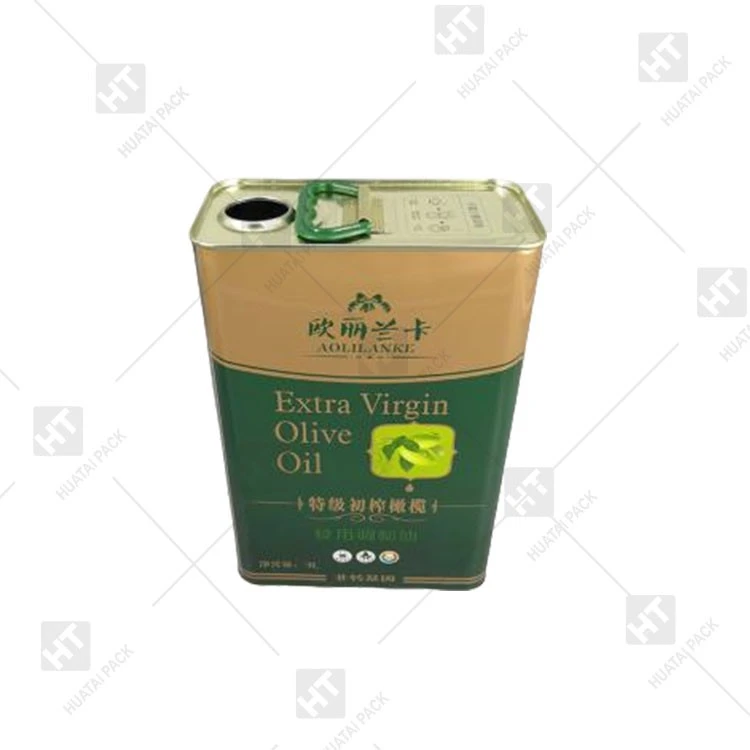

However, in some cases, the interior of the can may be lined with an epoxy resin. Epoxy linings are used to provide an additional layer of protection against corrosion and to prevent the oil from reacting with the metal. One of the main components of epoxy linings is bisphenol A (BPA). BPA is a chemical that has been the subject of much debate in recent years due to its potential endocrine-disrupting effects.
Numerous studies have been conducted on the health effects of BPA. Some research has suggested that exposure to BPA can interfere with the body's hormonal system, potentially leading to a variety of health problems such as reproductive issues, obesity, and certain types of cancer. However, regulatory agencies around the world, including the U.S. Food and Drug Administration (FDA) and the European Food Safety Authority (EFSA), have set limits on the amount of BPA that can be used in food packaging. These limits are designed to ensure that the levels of BPA migrating into food are well below the levels considered to be harmful.
In response to consumer concerns, many manufacturers have started to produce BPA-free epoxy linings or have switched to alternative materials for can linings. As a supplier, I am committed to providing 3L olive oil cans that meet the highest safety standards. We work closely with our can manufacturers to ensure that the cans we supply are either BPA-free or have minimal BPA migration levels.
Oxidation and Rancidity
Another potential health risk associated with olive oil is oxidation and rancidity. Oxidation occurs when the oil is exposed to oxygen, light, and heat, causing the unsaturated fatty acids in the oil to break down and form free radicals. Rancid olive oil has a unpleasant odor and taste and may also contain harmful compounds such as aldehydes and ketones.
3L olive oil cans are designed to protect the oil from oxidation. The metal can provides a barrier against light, which can accelerate the oxidation process. Additionally, the can is usually sealed tightly to prevent oxygen from entering. However, if the can is damaged or not properly sealed, oxygen can enter and cause the oil to oxidize more quickly.
To minimize the risk of oxidation, it is important to store olive oil in a cool, dark place. Once the can is opened, it is recommended to transfer the oil to a smaller container and store it in the refrigerator. This will help to slow down the oxidation process and keep the oil fresh for longer.
Microbiological Contamination
Microbiological contamination is another concern when it comes to food products, including olive oil. Although olive oil has some natural antimicrobial properties, it can still be contaminated with bacteria, yeasts, and molds if the production and packaging processes are not properly controlled.
3L olive oil cans are typically sterilized before filling to ensure that they are free from microorganisms. The canning process also helps to preserve the oil and prevent the growth of bacteria. However, if the can is damaged or the seal is broken, there is a risk of microbiological contamination.
To ensure the safety of the olive oil, it is important to purchase products from reputable suppliers. Our company follows strict quality control procedures to ensure that our 3L olive oil cans are properly sterilized and sealed. We also conduct regular microbiological testing to ensure that the oil meets the highest safety standards.
Conclusion
In conclusion, while there are some potential health risks associated with 3L olive oil cans, these risks can be minimized by choosing high-quality cans from reputable suppliers and following proper storage and handling practices. As a supplier of 3L olive oil cans, I am committed to providing safe and reliable packaging solutions for our customers.
If you are interested in purchasing 3L olive oil cans or have any questions about our products, please feel free to contact us. We are happy to discuss your specific needs and provide you with more information. You can also check out our range of Empty Metal Oilve Oil Can, 5L Empty Olive Oil Square Tin Can, and Square Tin Can For Olive Oil on our website.
References
- European Food Safety Authority. (2015). Scientific opinion on the risks to public health related to the presence of bisphenol A in foodstuffs. EFSA Journal, 13(1), 3978.
- U.S. Food and Drug Administration. (2020). Bisphenol A (BPA): Use in Food Contact Applications. Retrieved from https://www.fda.gov/food/food-additives-petitions/bisphenol-a-bpa-use-food-contact-applications
- International Olive Council. (2019). Olive oil quality and authenticity: A guide for consumers. Retrieved from https://www.internationaloliveoil.org/estaticos/documentos/IOOC_publications/Olive%20oil%20quality%20and%20authenticity%20-%20A%20guide%20for%20consumers.pdf