

Are industrial oil cans easy to handle manually?
Nov 19, 2025
In the vast landscape of industrial operations, the handling of industrial oil cans is a topic that often goes unnoticed but holds significant importance. As a long - standing supplier of industrial oil cans, I've witnessed firsthand the diverse challenges and advantages associated with manual handling of these containers. In this blog, we'll delve into whether industrial oil cans are truly easy to handle manually, exploring various factors that come into play.
Size and Capacity
One of the primary factors influencing the ease of manual handling of industrial oil cans is their size and capacity. We offer a range of options, from small 1L Engine Oil Can to larger containers. Smaller cans, such as the 1 - liter ones, are generally much easier to handle manually. They are lightweight and can be easily grasped by one hand, making them ideal for tasks that require precise pouring or for situations where only a small amount of oil is needed. For example, in a small - scale automotive repair shop, mechanics can effortlessly pick up a 1L engine oil can and pour the oil into the engine without much physical strain.
On the other hand, larger industrial oil cans can pose challenges. Cans with capacities of 5 liters or more are heavier and bulkier. Lifting and moving these cans manually require more strength and proper handling techniques. A worker may need to use both hands to lift a large can safely, and walking with it over a distance can quickly become tiring. In industrial settings where multiple large cans need to be moved around regularly, the physical exertion can lead to fatigue and an increased risk of injury.
Shape and Design
The shape and design of industrial oil cans also play a crucial role in manual handling. Our Metal Oil Can Container comes in different shapes, each with its own set of advantages and disadvantages.
Cylindrical cans are a common choice. They are relatively easy to grip around the circumference, which can make lifting and carrying them somewhat straightforward. However, their round shape can make them unstable when placed on flat surfaces, especially if they are not fully filled. This instability can pose a risk of tipping over during handling.
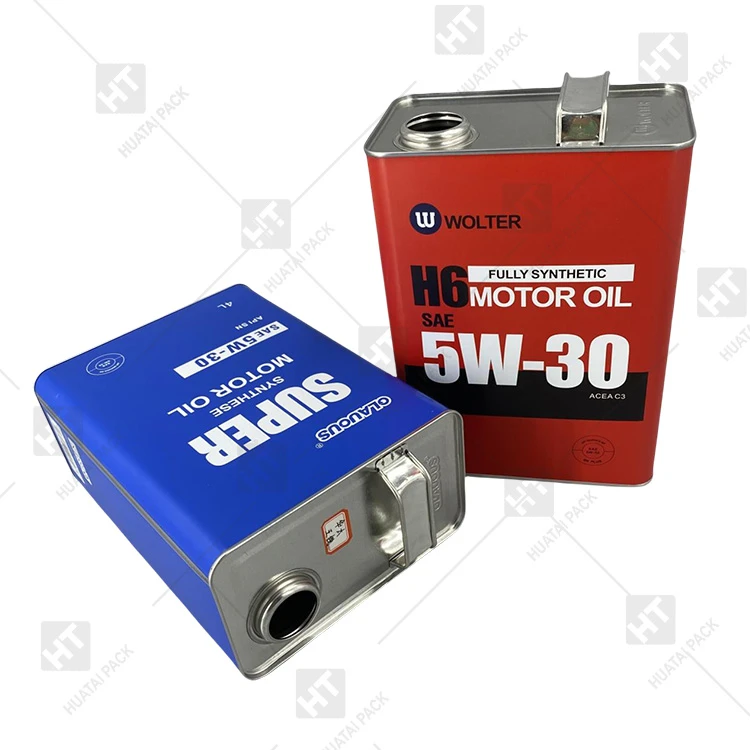
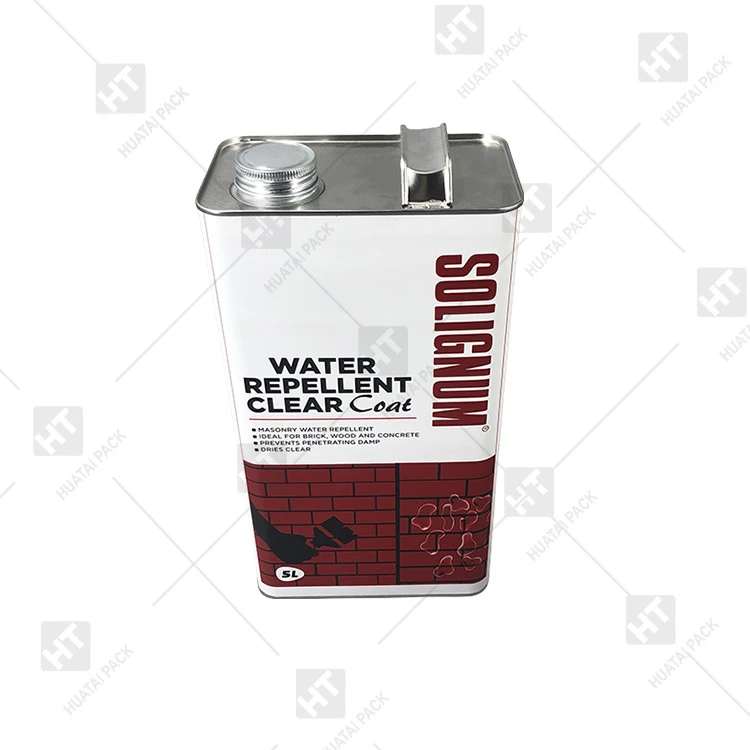
Square - shaped cans, like our Square Engine Oil Can, offer better stability. They can be stacked neatly, which is beneficial for storage and transportation. When it comes to manual handling, the flat sides of square cans provide a better surface for gripping. Workers can place their hands on the sides and lift the can more securely. Additionally, square cans are less likely to roll or tip compared to cylindrical ones, reducing the risk of spills during handling.
Material and Weight
The material of the industrial oil can affects its weight and, consequently, the ease of manual handling. Metal cans are durable and can withstand rough handling and harsh environments. However, they are generally heavier than plastic cans. A metal oil can of the same capacity as a plastic one will require more effort to lift and move.
Plastic cans, on the other hand, are lightweight and more flexible. They are easier to handle for workers who may not have significant upper - body strength. However, plastic cans may not be as durable as metal ones and can be more prone to damage, such as cracking or puncturing. This can lead to oil leaks, which are not only a waste of resources but also a safety hazard.
Ergonomics of the Can
Ergonomics is an important consideration when it comes to manual handling of industrial oil cans. Features such as handles and spouts can greatly affect how easy a can is to handle. A well - designed handle can reduce the strain on the hand and wrist when lifting and carrying the can. Handles that are too small or poorly shaped can cause discomfort and even injury over time.
Our cans are designed with ergonomics in mind. We ensure that the handles are large enough to accommodate a variety of hand sizes and are positioned in a way that allows for a natural grip. The spouts are also carefully designed to make pouring easy and precise. A spout that is too short or too wide can lead to spills, while a well - designed spout allows for controlled pouring, reducing waste and mess.
Workplace Environment
The workplace environment where the industrial oil cans are handled also impacts the ease of manual handling. In a cramped and cluttered workspace, it can be difficult to maneuver large cans. Workers may have to navigate around equipment and obstacles, which increases the risk of dropping or spilling the can.
In contrast, a well - organized workplace with clear aisles and designated storage areas makes manual handling easier. Workers can move around freely and access the cans without having to struggle through a maze of objects. Additionally, the availability of handling aids such as trolleys or dollies can significantly reduce the physical effort required to move heavy cans.
Safety Considerations
Manual handling of industrial oil cans is not just about ease but also about safety. When handling these cans, workers need to follow proper safety procedures to prevent injuries. This includes using the correct lifting techniques, such as bending at the knees and keeping the back straight.
Workers should also be aware of the potential hazards associated with oil spills. Oil on the floor can create a slippery surface, increasing the risk of slips, trips, and falls. To minimize these risks, it's important to have spill - containment measures in place, such as absorbent mats or spill kits.
Conclusion
In conclusion, whether industrial oil cans are easy to handle manually depends on a variety of factors. Smaller, well - designed cans with ergonomic features are generally easier to handle, while larger, heavier cans can pose challenges. The shape, material, and workplace environment also play significant roles.
As a supplier of industrial oil cans, we are committed to providing products that are not only functional but also easy to handle. Our range of 1L Engine Oil Can, Metal Oil Can Container, and Square Engine Oil Can is designed with the end - user in mind, taking into account factors such as size, shape, material, and ergonomics.
If you're in the market for industrial oil cans and want to learn more about our products or discuss your specific requirements, we invite you to reach out to us. We're here to help you find the best solutions for your industrial oil storage and handling needs.
References
- Industrial Manual Handling Guidelines, Occupational Safety and Health Administration
- Handbook of Industrial Ergonomics, John Wiley & Sons