

Are f style oil cans recyclable?
Aug 11, 2025
Are F Style Oil Cans Recyclable?
As a supplier of F style oil cans, I've often been asked about the recyclability of these containers. In today's environmentally - conscious world, understanding the recyclability of products is crucial. This blog post aims to delve into the details of whether F style oil cans are recyclable and explore the broader implications of their recycling.
What are F Style Oil Cans?
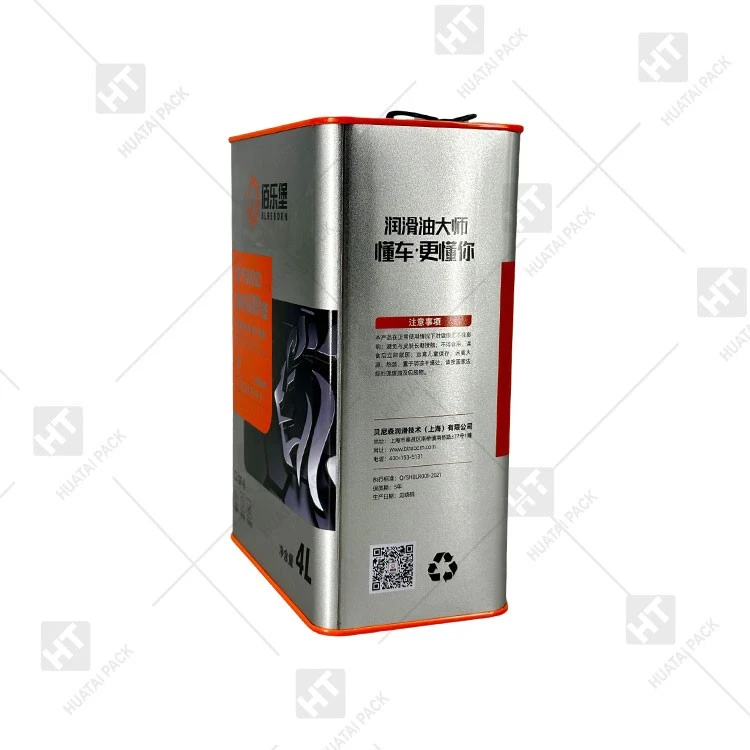
F style oil cans come in various shapes and sizes, offering unique designs for storing and transporting oil. For instance, we offer the 4L Square Can, which provides a stable base and efficient use of space. The 5L Rectangular Tinplate Can is another popular option, with its sleek and practical design. And of course, the 4L F - style Tin Can combines functionality with an aesthetically pleasing shape.
These cans are typically made from materials such as tinplate or aluminum. Tinplate is a steel sheet coated with a thin layer of tin, which provides corrosion resistance and a shiny appearance. Aluminum, on the other hand, is lightweight, durable, and has excellent malleability.
The Recyclability of F Style Oil Cans
The good news is that both tinplate and aluminum F style oil cans are highly recyclable.
Tinplate Cans
Tinplate cans can be recycled multiple times without losing their quality. When these cans are collected for recycling, they go through a series of processes. First, they are sorted from other waste materials. Then, they are shredded into small pieces. These pieces are melted in a furnace at high temperatures. During the melting process, the tin coating and any impurities are removed, leaving behind pure steel. This recycled steel can then be used to make new products, including more F style oil cans.
Recycling tinplate cans has several environmental benefits. It reduces the demand for virgin steel production, which is an energy - intensive process. Mining and refining iron ore to produce new steel consume large amounts of energy and generate significant greenhouse gas emissions. By recycling tinplate cans, we can save energy and reduce the carbon footprint associated with steel production.
Aluminum Cans
Aluminum is one of the most recycled materials in the world. Recycling aluminum cans requires only about 5% of the energy needed to produce new aluminum from bauxite ore. When aluminum F style oil cans are recycled, they are also sorted, shredded, and melted. The molten aluminum can be cast into new ingots, which are then used to manufacture a wide range of products, from new cans to automotive parts.
The recycling process for aluminum is extremely efficient. It can be recycled indefinitely, which means that an aluminum can can be recycled and remade into a new can many times over. This not only conserves natural resources but also helps to reduce waste in landfills.
Challenges in Recycling F Style Oil Cans
Despite the high recyclability of F style oil cans, there are still some challenges in the recycling process.

Contamination
One of the main challenges is contamination. If the oil cans are not properly cleaned before recycling, the remaining oil can contaminate the recycling equipment and the recycled materials. This can lead to higher costs and lower - quality recycled products. To address this issue, it is important for consumers to empty the oil cans completely and rinse them with water before recycling.
Collection and Sorting
Another challenge is the collection and sorting of F style oil cans. In some areas, the recycling infrastructure may not be well - developed, making it difficult to collect and sort these cans efficiently. This can result in a lower recycling rate. To improve the situation, governments and local authorities need to invest in better recycling facilities and education programs to encourage consumers to recycle their oil cans.
The Role of Suppliers
As a supplier of F style oil cans, we have a responsibility to promote recycling. We can do this in several ways.
First, we can provide clear instructions on how to recycle our products. This can include information on proper cleaning methods and local recycling guidelines. Second, we can work with recycling companies to ensure that our cans are recycled in an environmentally friendly way. Third, we can support research and development efforts to improve the recyclability of our products, such as developing new coatings or materials that are easier to recycle.
The Importance of Consumer Awareness
Consumer awareness plays a crucial role in the recycling of F style oil cans. Many consumers may not be aware that these cans are recyclable or may not know how to recycle them properly. To increase awareness, we need to educate consumers about the environmental benefits of recycling and provide them with easy - to - follow recycling instructions.
For example, we can include recycling information on the labels of our oil cans. We can also partner with environmental organizations to run awareness campaigns in local communities. By increasing consumer awareness, we can encourage more people to recycle their oil cans, which will ultimately lead to a higher recycling rate.
Conclusion
In conclusion, F style oil cans made from tinplate or aluminum are highly recyclable. Recycling these cans has significant environmental benefits, including energy savings, reduced greenhouse gas emissions, and conservation of natural resources. However, there are still some challenges in the recycling process, such as contamination and collection issues.
As a supplier, we are committed to promoting the recycling of our F style oil cans. We believe that by working together with consumers, recycling companies, and local authorities, we can ensure that these cans are recycled in an efficient and environmentally friendly way.
If you are interested in purchasing our high - quality F style oil cans, we invite you to contact us for a procurement discussion. We look forward to collaborating with you to meet your packaging needs while also contributing to a more sustainable future.
References
- "Recycling of Metals: A Review." Journal of Cleaner Production, Volume 138, 15 April 2016, Pages 221 - 243.
- "The Aluminum Association: Recycling." The Aluminum Association, accessed [Date of access].
- "Steel Recycling Institute: Recycling Facts." Steel Recycling Institute, accessed [Date of access].